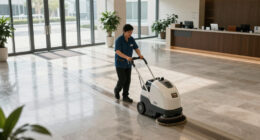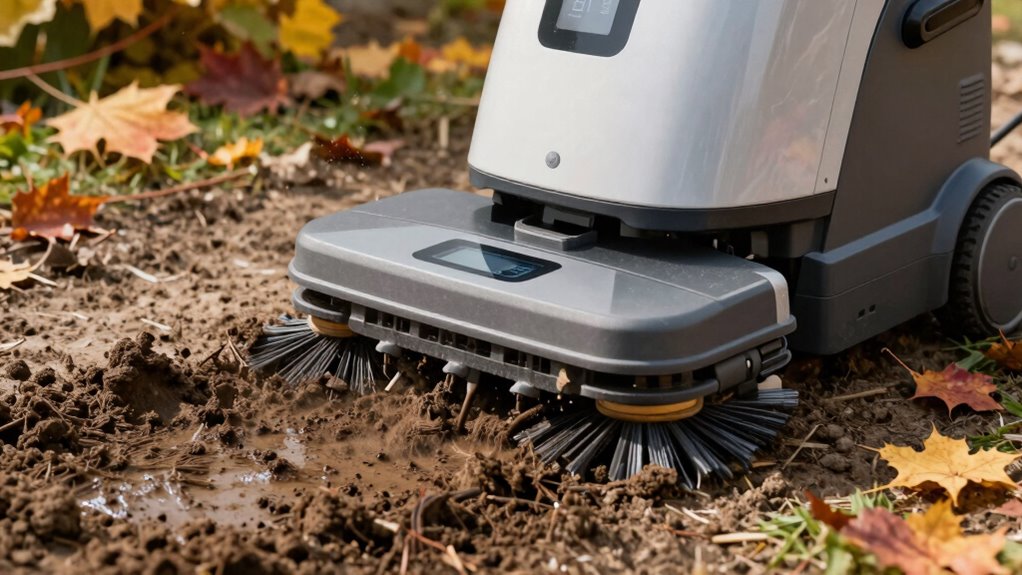

Seasonal dirt changes require you to adjust your sweeper settings regularly. In fall, increase sensitivity for leaves and fine particles, and modify brushes and suction. During winter, tackle heavy mud and snow by raising brush height and boosting power. Spring calls for heightened sensitivity for pollen and dust, while summer settings should focus on maximum efficiency for dry dust. Using appropriate calibration for each season keeps your sweeper running smoothly—continue exploring to master these seasonal adjustments.

Get cleaning gear delivered free — and shop member deals
- Fast, free delivery on millions of items
- Access to Prime Big Deal Days deals on October 6–7
- Prime Video, Amazon Music and more included
Key Takeaways
- Seasonal dirt variations require adjusting sweeper settings for optimal debris collection and to prevent equipment damage.
- Fall debris like leaves and dust necessitate modifications to brushes and suction levels.
- Winter’s wet, heavy dirt demands increased power and brush height adjustments for effective cleaning.
- Spring’s fine particles, such as pollen and dust, need higher sensitivity and frequent calibration.
- Summer’s dry dust calls for maximum efficiency and regular maintenance to avoid buildup and wear.

Have you ever wondered how to optimize your dirt and sweeper settings for the best cleaning results? It all starts with understanding how seasonal dirt changes can impact your sweeper’s performance. During different times of the year, the amount and type of dirt accumulation vary, and your sweeper needs to adapt accordingly. If you don’t adjust your settings properly, you might end up with missed spots or inefficient cleaning. To prevent this, you should regularly check and fine-tune your sweeper calibration, especially when seasons shift.
Adjust your sweeper settings seasonally for optimal cleaning and efficiency.
In the fall, for instance, you’ll notice an increase in leaf debris, dust, and fine particles that settle on surfaces. These lighter, more delicate materials require a different sweeping approach than the heavier, wetter dirt common in the rainy seasons. When dirt accumulation increases, your first step is to evaluate your current sweeper calibration. If your sweeper isn’t properly calibrated, it might be either too aggressive, causing unnecessary wear, or too gentle, missing dirt altogether. Adjust the brushes and suction levels to match the type of debris typical for fall, ensuring thorough cleaning without damaging surfaces.
Moving into winter, snow and mud often bring a different set of challenges. Heavy, wet dirt can clog filters and brushes if settings aren’t adjusted properly. Here, you might need to increase the sweeper’s power or modify brush height to handle the moisture-laden debris effectively. Regularly inspecting and calibrating your sweeper ensures it can cope with these seasonal changes without sacrificing performance. Remember, dirt accumulation patterns shift with the weather, so a one-size-fits-all setting doesn’t work year-round.
Come spring, as the snow melts and new plant life begins to grow, dirt tends to become more granular and scattered. You’ll want to fine-tune your sweeper calibration to handle finer particles like pollen and dust, which tend to be more pervasive. Increasing the sensitivity of your sweeper, or adjusting the brush speed, can help capture this light debris more efficiently. During this season, frequent adjustments ensure your sweeper remains effective, especially in outdoor areas where dirt accumulation is often at its peak.
In summer, dust and dry dirt dominate, and your sweeper needs to be set for maximum efficiency. Make sure your calibration is optimized to pick up fine dust without over-wearing brushes. Regularly cleaning and checking calibration settings during this season prevents buildup and mechanical issues. By staying attentive to how dirt accumulation evolves with each season, you can maintain top performance, reduce wear and tear, and ensure a cleaner environment year-round. Additionally, understanding the seasonal dirt patterns can help you plan proactive maintenance for your sweeper.
adjustable sweeper brush settings
As an affiliate, we earn on qualifying purchases.
As an affiliate, we earn on qualifying purchases.
Frequently Asked Questions
How Often Should I Adjust Sweeper Settings Seasonally?
You should adjust your sweeper settings seasonally based on your maintenance schedule and environmental factors. Typically, check and modify settings at the start of each new season to account for changes like increased dirt, debris, or moisture. Regularly inspecting your equipment guarantees ideal performance and longevity. Environmental factors like wind, rain, or snow can impact dirt accumulation, so stay attentive and adapt your sweeper settings accordingly for effective cleaning year-round.
Do Different Types of Dirt Require Different Sweeper Settings?
Think of your sweeper as a detective tackling a case; different dirt types, like dust accumulation or heavy debris, demand different strategies. Fine dust needs gentle settings, while coarse dirt requires more aggressive brushes. Dirt classification helps you adjust your sweeper for efficiency. Yes, different types of dirt do require different settings, so always evaluate the dirt you’re dealing with to optimize your sweeper’s performance and keep your environment spotless.
What Signs Indicate My Sweeper Settings Need Changing?
You should change your sweeper settings if you notice excessive dirt accumulation or increased brush wear. When dirt builds up quickly or the brushes seem worn down faster than usual, it’s a sign your current settings aren’t ideal. Pay attention to how well the sweeper cleans and inspect brush condition regularly. Adjust the settings to match seasonal dirt levels, ensuring effective cleaning and prolonging your equipment’s lifespan.
Are There Specific Tools to Help Set Dirt Levels Accurately?
You can’t just guess your dirt levels—get precise with tools like a debris gauge or a dust sensor. These tools help you measure dust accumulation and debris types accurately, so you don’t end up with a setting that’s way off. Imagine your sweeper missing stubborn dirt or overworking because of inaccurate settings. These tools give you the confidence to set your sweeper perfectly, handling any seasonal dirt buildup effortlessly.
Can Incorrect Settings Damage My Sweeper or Floor?
Incorrect settings can damage your sweeper or floor, especially if dirt accumulation is high or dust frequency increases. If you set your sweeper too aggressively, it may scratch or wear down delicate floors, and excessive dirt or dust can clog the system, causing malfunction. Always adjust your settings based on dirt levels and dust frequency, and regularly check for debris buildup to prevent potential damage and guarantee the best cleaning performance.
Conclusion
Just like adjusting your wardrobe for changing seasons, tweaking your sweeper settings guarantees your yard stays pristine year-round. I once neglected this, and my spring cleanup turned into a battle with stubborn dirt clumps. Now, I see it like tuning an instrument—each setting fine-tuned to the season’s unique demands. When you adapt your sweeper, you’re not just cleaning; you’re harmonizing your outdoor space, making every sweep smoother and more effective, no matter the season.
Fall Picks
fall essentials
As an affiliate, we earn on qualifying purchases.