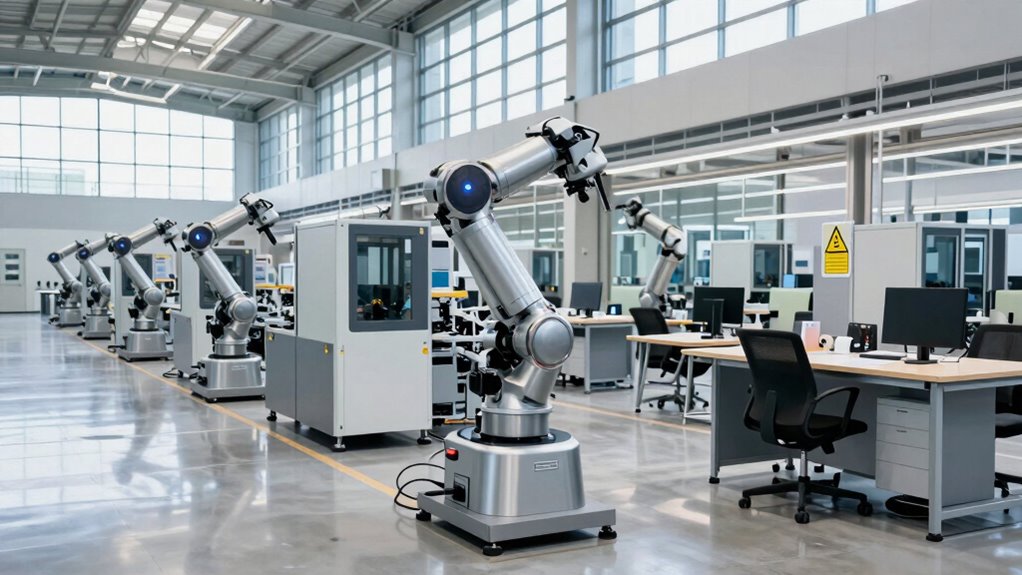

To make your facility robot-friendly, focus on safety protocols like obstacle detection, emergency stops, and clear signage. Optimize the environment with smooth flooring, proper lighting, and designated pathways to support robot movement. Foster collaboration by training staff on robot interactions and respecting robot boundaries. Regular maintenance keeps systems reliable, while adherence ensures safety standards are met. By addressing these areas, you create a space that promotes efficiency and safety—discover more ways to enhance your facility’s robotic integration.

Get cleaning gear delivered free — and shop member deals
- Fast, free delivery on millions of items
- Access to Prime Big Deal Days deals on October 6–7
- Prime Video, Amazon Music and more included
Key Takeaways
- Implement clear safety protocols and obstacle detection systems to ensure safe human-robot coexistence.
- Design an optimized infrastructure with proper signage, lighting, and obstacle-free zones for smooth robot operation.
- Schedule regular maintenance and updates to keep robotic systems functioning efficiently and reliably.
- Train staff comprehensively on robotic safety, operation, and emergency response to foster a safety-conscious culture.
- Foster a collaborative environment that promotes seamless human-robot interaction and respects robot boundaries.
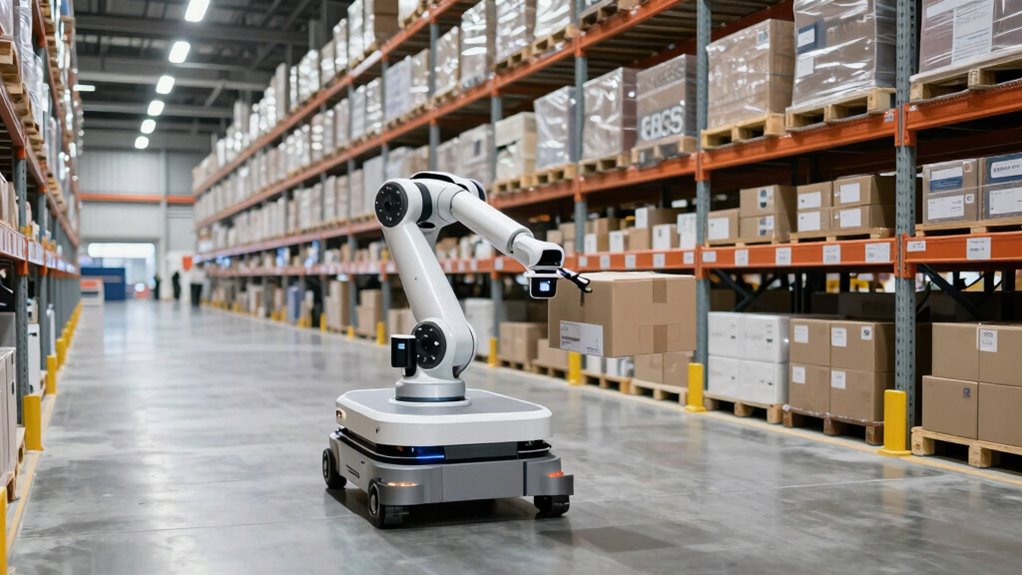
Have you ever wondered how modern facilities maintain efficiency and safety around the clock? The answer lies in creating a environment that’s friendly to robots, enabling them to perform their tasks seamlessly alongside human workers. A facility that’s robot-friendly isn’t just about installing machines; it requires careful planning and adherence to safety protocols. These protocols are crucial because they set clear guidelines that prevent accidents and ensure that robots operate safely within the workspace. When safety measures are prioritized, it reduces the risk of collisions, mishandling, or damage to both equipment and personnel. This involves implementing sensor systems, emergency stop mechanisms, and designated safety zones where humans and robots can coexist without interference.
Another key element is establishing thorough maintenance schedules. Regular maintenance ensures that robots stay in peak condition, reducing unexpected breakdowns that could disrupt operations or compromise safety. When you develop a routine to inspect, clean, and service robotic systems, you’re fundamentally extending their lifespan and maintaining peak performance. This also includes updating software and calibrating sensors to adapt to changing conditions within the facility. Consistent maintenance minimizes downtime and keeps safety protocols intact because well-maintained robots are less likely to malfunction or pose hazards. It’s a proactive approach that combines scheduled upkeep with real-time monitoring, allowing you to identify potential issues before they become serious problems. Additionally, understanding robotic safety standards can help you ensure compliance and improve safety practices. Incorporating safety protocols into your training programs further ensures that staff can respond effectively in emergency situations. Implementing automation-friendly infrastructure can also facilitate smoother integration and reduce potential hazards related to environmental factors.
Creating a robot-friendly environment also benefits from thoughtful design choices. Clear signage, marked pathways, and obstacle-free zones make it easier for robots to navigate safely. Incorporating automation-friendly infrastructure—such as smooth flooring and proper lighting—helps robots perform their tasks efficiently. Additionally, considering environmental factors like temperature and humidity levels can significantly impact robot performance and longevity. Training your staff to understand robotic systems and safety procedures is equally important. When everyone in the facility knows how to interact with robots safely, you foster a culture of cooperation rather than conflict. This collaborative environment is essential because it ensures that human workers respect the technology’s boundaries and capabilities.
robot obstacle detection sensors
As an affiliate, we earn on qualifying purchases.
As an affiliate, we earn on qualifying purchases.
Frequently Asked Questions
How Do Robots Adapt to Changing Facility Layouts?
Robots adapt to changing facility layouts through dynamic obstacle navigation and flexible task programming. You can update their navigation algorithms to detect new obstacles, enabling them to maneuver around unexpected objects. Additionally, flexible task programming allows you to quickly modify their duties as layouts evolve. This combination guarantees robots remain efficient and effective, seamlessly adjusting to new environments without requiring extensive reprogramming each time the facility changes.
What Safety Standards Apply to Facility Robots?
You must guarantee your facility robots meet industry safety standards through proper robot certification and adherence to safety protocols. These standards, like ISO 10218 and ANSI/RIA R15.06, specify safe design, operation, and maintenance practices. Regular risk assessments, emergency stops, and clear signage are vital. By following these safety protocols, you protect your team and ensure your robots operate efficiently and safely within your facility.
How Do Robots Communicate With Human Workers?
You see, robots communicate with human workers through various methods, mainly using well-established robot communication protocols that guarantee clear and safe interactions. In human-robot interaction, you might notice visual signals like lights or screens, audio cues, or even gesture-based controls. These protocols help robots relay information, receive commands, and maintain safety, making cooperation smooth and effective. Effective communication is key to a safe, productive workspace.
What Maintenance Do Facility Robots Require?
You might think maintenance is straightforward, but hidden challenges await. Regular robot calibration is essential to keep sensors and movements precise, preventing costly errors. Battery management becomes critical—monitoring charge levels and scheduling recharges guarantee uninterrupted operations. Neglecting these tasks could lead to unexpected downtimes, jeopardizing productivity. Stay vigilant, perform routine checks, and keep your robots running smoothly, because a well-maintained robot is your most reliable partner on the job.
Can Robots Handle Sensitive or Hazardous Materials?
Robots can handle sensitive or hazardous materials effectively, especially with specialized equipment. For material handling, they use protective barriers and precise sensors to prevent accidents. When dealing with hazardous material, they’re often equipped with containment systems, remote operation capabilities, and safety protocols that minimize risks. You should guarantee your robots are designed for these tasks, following safety standards, so they handle sensitive or hazardous materials safely and efficiently.
Conclusion
Now that you understand what makes a facility robot-friendly, imagine what’s next. Are you ready to transform your space into a hub of innovation? The secrets to seamless integration are within your reach, but only if you act now. Don’t wait until competitors leap ahead—your facility’s future depends on the choices you make today. Are you prepared to open the full potential of robotics and redefine what’s possible? The next move is yours.
Fall Picks
fall essentials
As an affiliate, we earn on qualifying purchases.