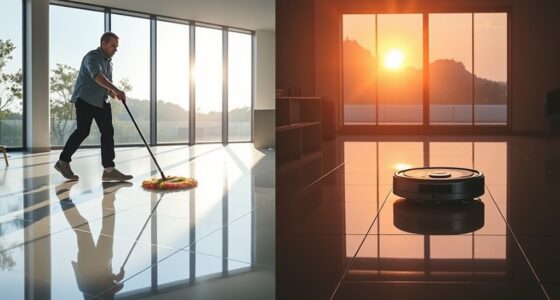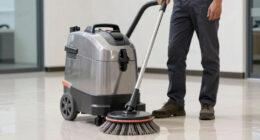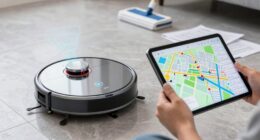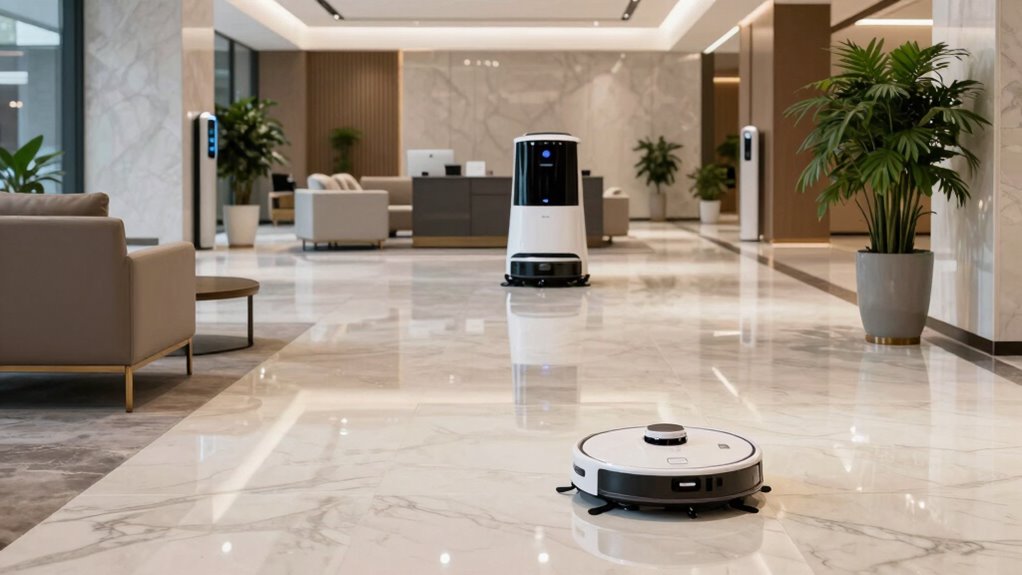
To make your facility ready for autonomous cleaning, guarantee your floors are smooth, debris-free, and free of clutter. Calibrate sensors regularly for accurate navigation and obstacle avoidance. Set up clear protocols for operation, troubleshooting, and maintenance, and train your staff thoroughly. Check that your power supply and connectivity support the machines, and position charging stations for easy access. Making these adjustments helps your autonomous cleaning system run smoothly and efficiently—that’s just the start of what you can do.
Key Takeaways
- Proper sensor calibration and regular maintenance ensure accurate navigation and obstacle avoidance.
- Clear, debris-free, and clutter-free floors facilitate optimal machine operation.
- Adequate infrastructure, including power supply and connectivity, supports autonomous system functionality.
- Staff training on operation, troubleshooting, and safety protocols promotes seamless integration.
- Facility layout and infrastructure adjustments improve navigation flow and operational efficiency.
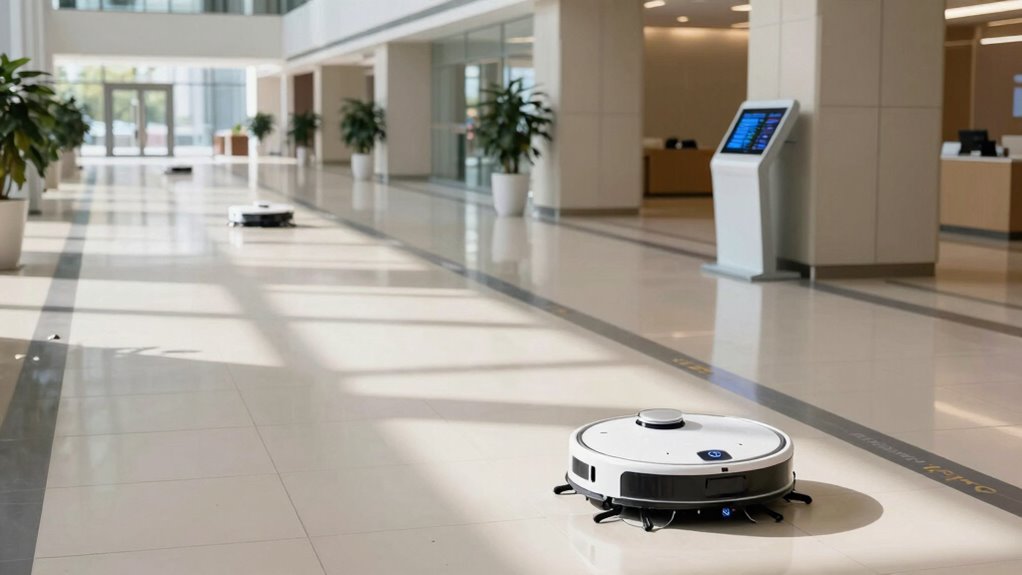
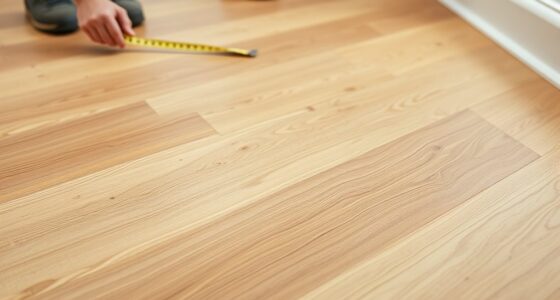
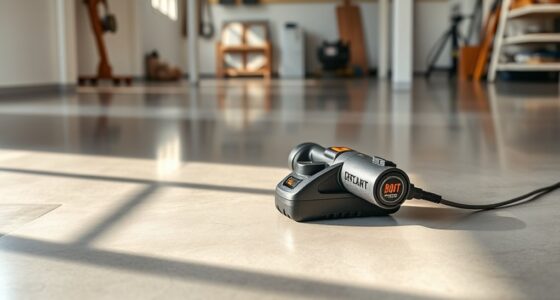
Are your facilities prepared to shift to autonomous cleaning solutions? If you’re contemplating making this changeover, one of the most critical factors is guaranteeing your space is ready for the technology. Autonomous cleaning machines rely heavily on sensor calibration to navigate efficiently and avoid obstacles, so it’s vital to verify that your equipment’s sensors are accurately calibrated before deployment. Improper sensor calibration can lead to missed spots, collisions, or even damage to property, which defeats the purpose of automating cleaning processes. Regularly checking and maintaining sensor calibration ensures your machines operate smoothly and safely, maximizing their efficiency and lifespan. Incorporating network security measures can also help protect your autonomous systems from potential cyber threats, ensuring operational integrity. Equally important is staff training. Your team needs to understand how these autonomous systems work, including how to operate, troubleshoot, and perform basic maintenance on them. Training shouldn’t be limited to just the technical aspects; it should also cover safety protocols and best practices for integrating these machines into your daily operations. When staff are well-trained, they can quickly respond to issues, reducing downtime and increasing trust in the new technology. Plus, trained personnel can help identify potential problems early, preventing minor issues from escalating into costly repairs or operational delays. Beyond sensor calibration and staff training, your facility should be evaluated for physical readiness. This includes ensuring that floors are smooth, free of debris, and have clear pathways for the autonomous cleaners to navigate. Cluttered or uneven surfaces can hinder the machines’ ability to clean effectively and may cause unnecessary wear or damage. Additionally, consider the placement of charging stations and how easily the autonomous units can access them. Proper placement minimizes downtime and ensures continuous operation. Another aspect to consider is your existing cleaning protocols and how they will adapt to autonomous systems. Transitioning to automation often requires adjustments in scheduling and cleaning routines. Establishing clear procedures and assigning responsibilities helps your team integrate these systems seamlessly into their workflow. Communication is key—make sure everyone understands the benefits, limitations, and operational guidelines for the autonomous cleaning solutions. Ensuring that your facility’s infrastructure is compatible with the technology is also crucial, including power supply and connectivity requirements. Furthermore, conducting a comprehensive facility assessment can help identify any additional modifications needed to optimize autonomous cleaning performance, such as flooring quality, layout adjustments, and sensor calibration procedures.

Floor Scrubber Robot, Commercial Autonomous Floor Cleaning Machine with Sweep, Scrub, Vacuum, Smart Navigation & Auto Recharge for Office, Mall & Warehouse
Please Note: As a manufacture,we can do full custom according to your need. The price on the website…
As an affiliate, we earn on qualifying purchases.
As an affiliate, we earn on qualifying purchases.
Frequently Asked Questions
How Long Does Autonomous Cleaning Equipment Typically Last Before Maintenance?
Autonomous cleaning equipment typically lasts around 2 to 5 years before needing maintenance, depending on usage and maintenance schedules. You should follow manufacturer recommendations for routine checks to guarantee peak equipment durability. Regular maintenance, like battery care and component inspections, extends the lifespan. By staying proactive with maintenance schedules, you keep your autonomous cleaners running smoothly, reducing downtime and maximizing their effectiveness in keeping your facility clean over the long term.
What Training Is Needed for Staff to Operate Autonomous Cleaning Systems?
You need to provide staff with thorough training in operational skills and safety protocols. Picture yourself guiding team members through the system’s interface, troubleshooting on the fly, and mastering obstacle navigation. Staff training should cover equipment controls, maintenance routines, and emergency procedures. This hands-on experience creates confidence, ensuring seamless integration of autonomous cleaning systems into your facility’s daily routine, enabling efficiency, and minimizing disruptions.
Are There Specific Facility Sizes Best Suited for Autonomous Cleaning?
Smaller to mid-sized facilities often suit autonomous cleaning best, as their layout is easier for robots to navigate efficiently. Larger facilities may require more advanced systems and strategic planning. Facility size considerations help optimize your cleaning schedule, ensuring robots cover areas effectively without disruption. By matching your facility’s size with the right autonomous cleaning tech, you can improve cleaning consistency, reduce labor costs, and maintain a cleaner environment overall.
How Does Autonomous Cleaning Handle Unexpected Obstacles or Hazards?
Think of autonomous cleaning as a vigilant guardian, effortlessly steering through surprises. When obstacles or hazards appear, advanced obstacle detection systems spring into action, swiftly recognizing and avoiding dangers. Hazard mitigation features work behind the scenes, ensuring safety and efficiency. You won’t need to worry about unexpected messes or unexpected hazards—your autonomous cleaner adapts on the fly, turning potential chaos into a smoothly orchestrated cleaning dance.
What Safety Protocols Are in Place During Autonomous Cleaning Operations?
During autonomous cleaning, safety protocols are strict to protect everyone. You should follow safety regulations, guaranteeing areas are clear of obstacles before starting. Emergency procedures are in place, so if a malfunction occurs, the system automatically stops and alerts staff. Regular maintenance and safety checks are mandatory. You also need to train staff on safety protocols and emergency responses to ensure smooth, hazard-free operations.

Shark Ion Robot Vacuum Cliff Sensor Set, Drop Infrared Sensor Set – RV750N RV700N RV720N RV725N
Shark Ion Robot Vacuum Cliff Sensor Set – Infrared Drop Sensors
As an affiliate, we earn on qualifying purchases.
As an affiliate, we earn on qualifying purchases.
Conclusion
To guarantee your facility’s ready for autonomous cleaning, you need a clear layout, accessible power sources, and a plan for regular maintenance—think of it as preparing a well-oiled machine. Don’t forget, like the great libraries of Alexandria, your space should be organized and free of clutter to maximize efficiency. With these steps, you’ll be ahead of the curve, embracing the future now—no need to wait for a chariot to arrive.
Floor Scrubber Robot, Commercial Autonomous Floor Cleaning Machine with Sweep, Scrub, Vacuum, Smart Navigation & Auto Recharge for Office, Mall & Warehouse
Please Note: As a manufacture,we can do full custom according to your need. The price on the website…
As an affiliate, we earn on qualifying purchases.
As an affiliate, we earn on qualifying purchases.

Jonard Tools SSK-700 Star Key Can Wrench Kit for LC & LG Patterns
UNLOCKS PEDESTALS: Includes a can wrench and LK & LB pattern star keys to unlock outdoor pedestals with…
As an affiliate, we earn on qualifying purchases.
As an affiliate, we earn on qualifying purchases.