TL;DR

Get cleaning gear delivered free — and shop member deals
- Fast, free delivery on millions of items
- Access to Prime Big Deal Days deals on October 6–7
- Prime Video, Amazon Music and more included
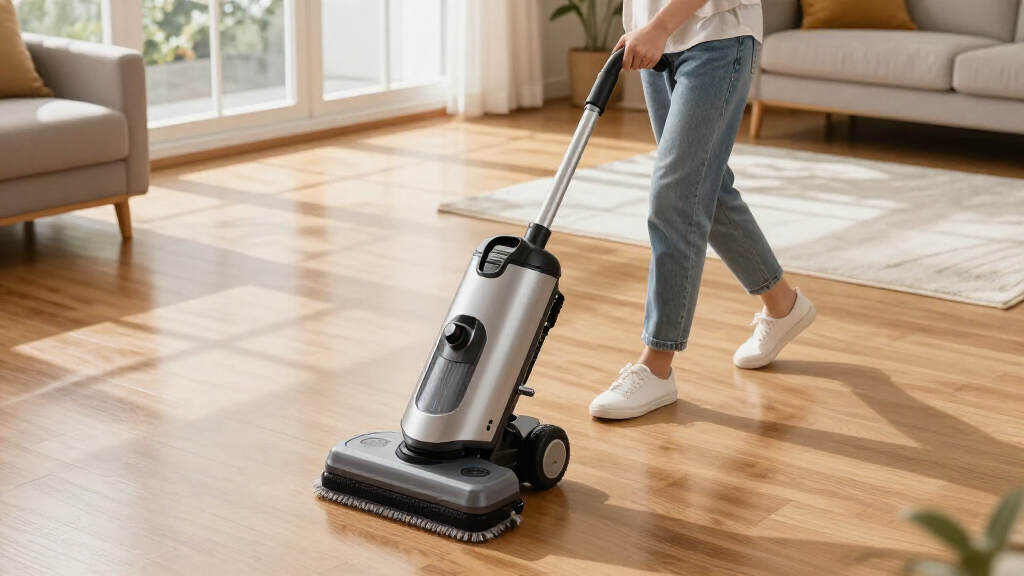
Electric floor scrubbers combine water, cleaning solutions, and powered brushes to clean floors more effectively than mops. They recover dirty water, save time, and improve hygiene, especially in commercial settings. Choosing the right model depends on floor type, space size, and specific needs.
If you’re tired of endless mopping sessions that leave floors streaked, sticky, or still dirty, then electric floor scrubbers might be your game-changer. These machines do the heavy lifting—agitating grime, applying solution, and sucking up dirty water in one smooth pass.
But with so many types, features, and price points, how do you pick the right one? This guide walks you through everything—what they are, how they work, and exactly what to look for—so you can keep your floors spotless without breaking your back or your budget.
Choose the right type of electric scrubber based on your space size and floor type to maximize efficiency and longevity.
Performance depends on brush and pad selection, water management, and proper technique, not just motor power.
Regular maintenance, including cleaning tanks and replacing worn parts, extends your machine’s lifespan and keeps floors spotless.
Safety precautions—like correct chemical use and electrical awareness—are crucial for safe operation.
Latest trends like cordless lithium-ion batteries, automation, and smart connectivity boost productivity and sustainability.
Which Type of Electric Floor Scrubber Fits Your Space?
Electric floor scrubbers come in various shapes and sizes, each suited for different environments. For small jobs or tight corners, handheld or compact models shine. They’re perfect for grout lines, stairs, or bathroom corners where maneuverability counts.
In bigger areas, like kitchens or sealed concrete floors, upright or walk-behind machines get the job done faster. Think of them as the workhorses of cleaning—wider, more powerful, and designed for continuous use. And for massive spaces like warehouses or airports, ride-on or robotic scrubbers keep the floors shining with minimal human effort.
Here’s a quick rundown:
| Type | Best For | Size & Mobility |
|---|---|---|
| Compact handheld | Small spots, grout, stairs | Light, portable, easy to store |
| Upright | Kitchen, bathroom, sealed floors | Medium, manageable weight |
| Walk-behind | Large commercial floors | Heavy, wider working width |
| Ride-on | Huge spaces, warehouses | Operator seated, high capacity |
| Robotic | Repeated, large-scale cleaning | Automatic, guided by sensors |
Choosing the right type boils down to your space size, layout, and how much manual effort you want to put in.
electric floor scrubber for commercial use
As an affiliate, we earn on qualifying purchases.
As an affiliate, we earn on qualifying purchases.
How Electric Scrubbers Outperform Mops and Vacuums
Electric floor scrubbers do more than just wash floors—they actively scrub, recover, and dry, making them a huge upgrade from traditional mops. Unlike mops, which spread dirt around or leave behind damp patches, scrubbers agitate grime with powered brushes and extract dirty water—leaving floors truly clean and dry.
Compared to wet-dry vacuums, which often rely on rollers or simple water pickup, scrubbers combine multiple functions: solution application, mechanical agitation, and water recovery in one seamless cycle. This means less time spent on cleaning and more consistent results.
Imagine cleaning a restaurant floor after a busy night. A mop would need multiple passes, and you’d still see streaks or wet spots. An electric scrubber, however, can finish the job in half the time, leaving a spotless, dry surface ready for the morning rush.
Research shows that commercial scrubbers can increase productivity by up to 50%, thanks to their ability to clean larger areas faster and more thoroughly. Plus, they reduce operator fatigue, since less physical effort is needed to scrub and rinse.
Picking the Perfect Machine for Your Floors
Not all floors are created equal, and not every scrubber suits every surface. Sealed, water-resistant floors like ceramic, vinyl, sealed concrete, and terrazzo are safe bets. But unsealed wood, damaged tiles, or porous stone can suffer from too much water or harsh chemicals. Always check your floor’s manufacturer guidelines before choosing a machine.
Performance isn’t just about wattage or motor size. It hinges on brush or pad type, water delivery, and suction power. For example, a stiff-bristled brush on textured tile can remove stubborn dirt, but on delicate vinyl, a soft microfiber pad is gentler and just as effective.
Here’s a quick look at common floor types and compatible scrubber features:
- Ceramic & Porcelain: Durable, suitable for most scrubbers
- Vinyl & Luxury Vinyl Tile: Use soft pads, avoid excess water
- Sealed Concrete: High-speed brushes and larger tanks help
- Porous Stone & Unsealed Wood: Generally avoid wet scrubbers or use very light water
Matching your machine to the floor ensures longevity and effective cleaning without damage.
Features That Make or Break Your Cleaning Results
When shopping for an electric scrubber, certain features can dramatically influence performance and ease of use. Here are the key ones:
- Tank size and water recovery: Bigger tanks mean longer cleaning before refilling, but add weight and bulk.
- Brush or pad type: Soft for delicate floors, stiff for textured surfaces, or stripping pads for finish removal.
- Power and speed: More watts don’t always mean better cleaning—look at RPM and brush pressure.
- Detergent flow control: Precise dosing saves water, chemicals, and reduces runoff.
- Edge cleaning ability: Narrow attachments or adjustable heads help reach corners and tight spots.
- Battery type (corded vs cordless): Corded = continuous, cordless = flexible but limited runtime.
- Wastewater management: Separate tanks prevent recontamination and improve hygiene.
For example, a restaurant might prioritize a machine with a large recovery tank and quick-change pads, while a janitorial service might prefer lightweight cordless models for quick shifts.
Cost of Ownership: What It Really Takes to Keep Floors Spotless
Buying a machine is just the start. The true cost of ownership includes consumables, maintenance, and repairs. For instance, high-quality pads last longer but cost more upfront. Worn squeegee blades can cause streaks, so replacing them regularly keeps water pickup efficient.
Battery life is another big factor. A cordless machine with a 5-hour runtime might seem perfect, but if batteries need replacing every 2 years at $300 each, that adds up. Routine servicing—like cleaning filters and inspecting rollers—prevents costly breakdowns.
Another hidden expense? Water disposal and chemical supplies. Using eco-friendly, low-water detergents can save money and reduce environmental impact, but make sure they’re compatible with your machine.
Here’s a snapshot of typical ongoing costs:
| Item | Average Cost | Frequency |
|---|---|---|
| Pads & brushes | $20–$50 | Every 3–6 months |
| Squeegee blades | $15–$30 | Annually or after wear |
| Batteries | $300–$600 | Every 2–3 years |
| Detergents & chemicals | $10–$40/month | Monthly |
Thinking long-term helps avoid surprises and keeps your floors sparkling without draining your budget.
Keeping Your Machine in Top Shape: Maintenance Tips
Proper maintenance is the secret to long-lasting performance. After each use, rinse the tanks thoroughly to prevent odors and microbial buildup. Remove hair, debris, and tangled fibers from brushes and rollers—especially in high-traffic areas.
Regularly check and replace worn squeegee blades and filters. If streaks or water left behind become normal issues, it’s often because these parts are past their prime. Keeping internal pathways clean and dry also prevents mold or corrosion.
Don’t forget to charge batteries correctly—avoid letting them sit completely drained or overcharged. For corded models, inspect cords and plugs for damage. Routine inspection and cleaning save money over time and keep your floors spotless.
Remember, neglecting maintenance can lead to poor cleaning results and costly repairs. Schedule regular checkups, and treat your scrubber like a trusted tool that’s always ready to shine.
Safety First: Using Electric Floor Scrubbers Without a Hitch
Electric scrubbers are powerful tools, but safety should always come first. Always follow the manufacturer’s instructions for detergents and chemicals—never mix products like bleach and ammonia, which create toxic fumes.
Keep electrical connections away from standing water to prevent shocks. Use wet-floor signs to warn others of slippery surfaces after cleaning. When working with cords, avoid running over them or pinching the cable, which can cause shorts or fire hazards.
Dispose of wastewater according to local regulations—many areas treat dirty water as hazardous waste. Regularly clean and dry all components to prevent mold, bacteria, and unpleasant odors.
While electric scrubbers improve hygiene by removing soil, they don’t automatically disinfect. For sanitation, add approved disinfectants with the correct dilution and contact time.
Following these safety steps protects your staff, floors, and equipment—making cleaning safer and more effective.
Latest Trends Making Electric Floor Scrubbers Smarter and Greener
The market is evolving fast. Many newer models now use lithium-ion batteries, which charge faster, last longer, and require less maintenance than older lead-acid batteries. This shift means less downtime and more productivity.
Robotics are also gaining ground. Autonomous scrubbers use sensors, lidar, and mapping to navigate and clean large spaces with minimal human oversight. They’re especially useful in warehouses or airports, where repetitive cleaning can be automated—though humans still set them up, refill water, and handle maintenance.
Connected systems now let managers track usage, monitor batteries, and schedule maintenance remotely. This data-driven approach keeps machines running smoothly and floors spotless.
Consumers also see compact, all-in-one models with self-cleaning features, edge cleaning, and smart sensors. Plus, many claim lower water and chemical use—though real cleaning power depends on conditions and proper chemical compatibility.
Finally, sustainability is a growing focus. Recyclable materials, repairability, and energy-efficient operation are shaping the future of cleaning equipment. Quieter, ergonomic designs also help operators work longer without fatigue.
Frequently Asked Questions
Are electric floor scrubbers better than mops?
Yes, electric scrubbers clean floors more thoroughly and quickly, recovering dirty water instead of spreading it around. They reduce physical effort and improve hygiene, especially in large or commercial spaces. For tiny areas or quick spills, a mop might still be more convenient.
Can I use an electric scrubber on hardwood floors?
Only if your hardwood is sealed and approved for wet cleaning. Use minimal water, follow manufacturer instructions, and avoid excessive moisture that could cause swelling or damage. Unsealed or damaged wood should be cleaned with dry methods only.
Do electric scrubbers disinfect floors?
Not by default. They remove soil and recover dirty water, but disinfection requires an appropriate chemical product, proper contact time, and correct dilution. Some machines are incompatible with disinfectants, so check compatibility before use.
How often should I replace brushes and squeegee blades?
It varies with use, but inspect regularly. Replace brushes when bristles are worn or deformed, and squeegee blades when streaks appear or water pickup declines. Proper maintenance keeps cleaning optimal and extends component life.
What size machine should I choose?
Match size to your space: small rooms need compact models with tight turning, while large, open areas benefit from wider cleaning paths and bigger tanks. Consider maneuverability, storage, and transport—especially if you work across multiple floors or buildings.
Conclusion
Electric floor scrubbers can revolutionize your cleaning routine—saving time, effort, and water. But picking the right machine and maintaining it well makes all the difference.
Imagine effortlessly gliding across a gleaming floor, knowing your machine is doing the hard work. That’s the power of choosing smart, durable cleaning equipment—making your space cleaner and your life easier.
Fall Picks
fall essentials
As an affiliate, we earn on qualifying purchases.