To prevent cliff and wall errors on your tile floors, regularly clean your robot vacuum’s sensors. Dirt, dust, and debris can interfere with their ability to detect edges and walls, causing navigation issues. Use a soft cloth or a cotton swab with a little alcohol to gently wipe the sensors on the device. Proper maintenance keeps your vacuum working smoothly and avoids common mistakes. Keep exploring for detailed steps and tips to maintain your robot’s performance effectively.

Get cleaning gear delivered free — and shop member deals
- Fast, free delivery on millions of items
- Access to Prime Big Deal Days deals on October 6–7
- Prime Video, Amazon Music and more included
Understanding the Impact of Dirt and Debris on Sensor Performance
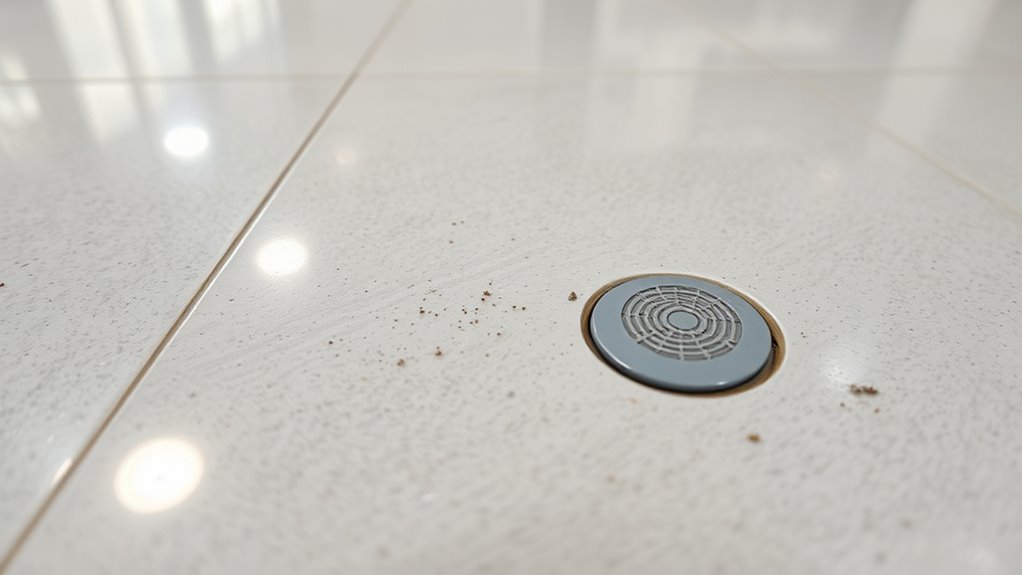
Dirt and debris on tile floors can substantially impair the performance of sensors used in cleaning devices. When sensors detect dust, grime, or particles, they may misinterpret the environment, leading to errors like cliff or wall misses. These obstructions can cause sensors to falsely identify edges or obstacles, making your device misjudge distances or boundaries. These issues can be mitigated by implementing Remote Hackathons, which foster collaboration among diverse teams to develop innovative sensor calibration solutions. These obstructions can cause sensors to falsely identify edges or obstacles, making your device misjudge distances or boundaries. Over time, accumulated dirt can further degrade sensor accuracy, forcing your device to work harder and potentially increasing wear and tear. Regularly inspecting and maintaining a clean sensor surface guarantees your cleaning device functions at its best, providing thorough coverage and reducing errors caused by environmental dirt and debris on your tile floors.
Tools and Materials Needed for Effective Sensor Cleaning
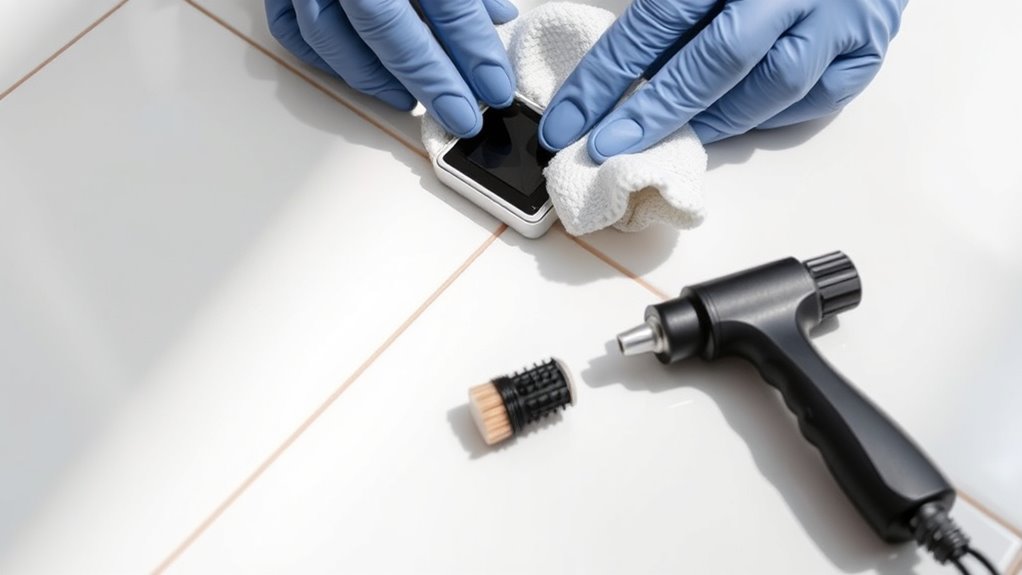
To guarantee your sensors stay clean and function properly, you’ll need a few essential tools and materials. First, gather soft microfiber cloths to gently wipe surfaces without scratching. Next, have a small brush or compressed air can to remove dust and debris from hard-to-reach areas. You’ll also need isopropyl alcohol (70%) for cleaning sensor surfaces safely. A pair of gloves can protect your hands and prevent contamination. Here’s a quick reference:
| Tool/Material | Purpose |
|---|---|
| Microfiber cloth | Gentle cleaning and wiping |
| Small brush/compressed air | Remove dust from sensors |
| Isopropyl alcohol | Disinfect and clean sensor surfaces |
| Gloves | Protect hands and prevent dirt transfer |
These tools make the cleaning process effective and safe.
Step-by-Step Guide to Cleaning Tile Floor Sensors

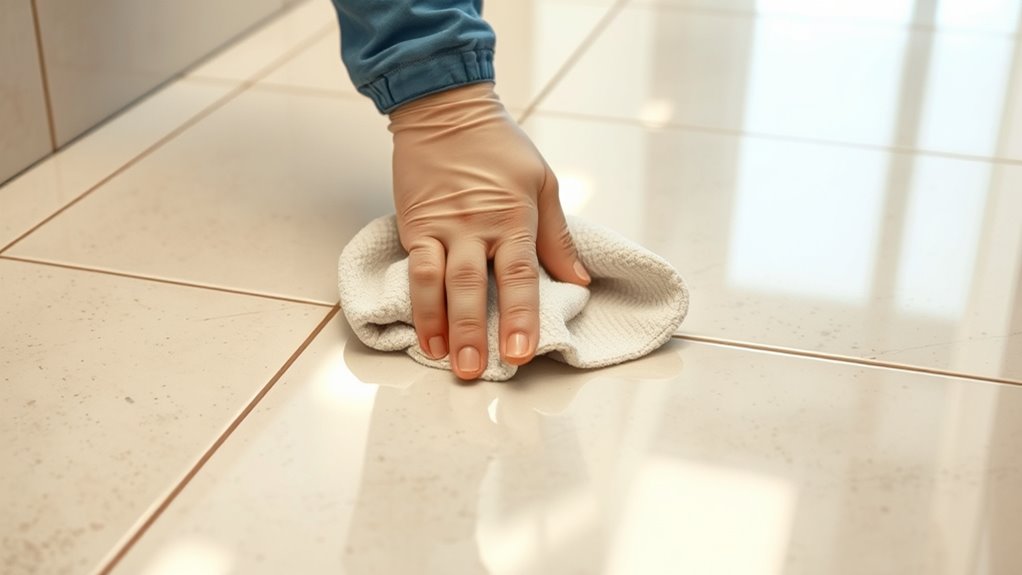
Before starting, make sure the sensor area on your tile floor is accessible and free of obstructions. Turn off your cleaning device or robot to prevent accidental damage. Gently remove any debris or loose dirt around the sensor using a soft brush or a dry cloth. Dampen a microfiber cloth with a small amount of water or a gentle cleaning solution. Carefully wipe the sensor surface, avoiding excessive moisture. If there are stubborn spots, use a cotton swab dipped lightly in cleaning solution to target them precisely. Dry the sensor thoroughly with a clean cloth. Once clean, ensure no residue remains before powering the device back on. Regular cleaning like this maintains sensor accuracy and prevents errors during operation.
Common Mistakes to Avoid During Sensor Maintenance
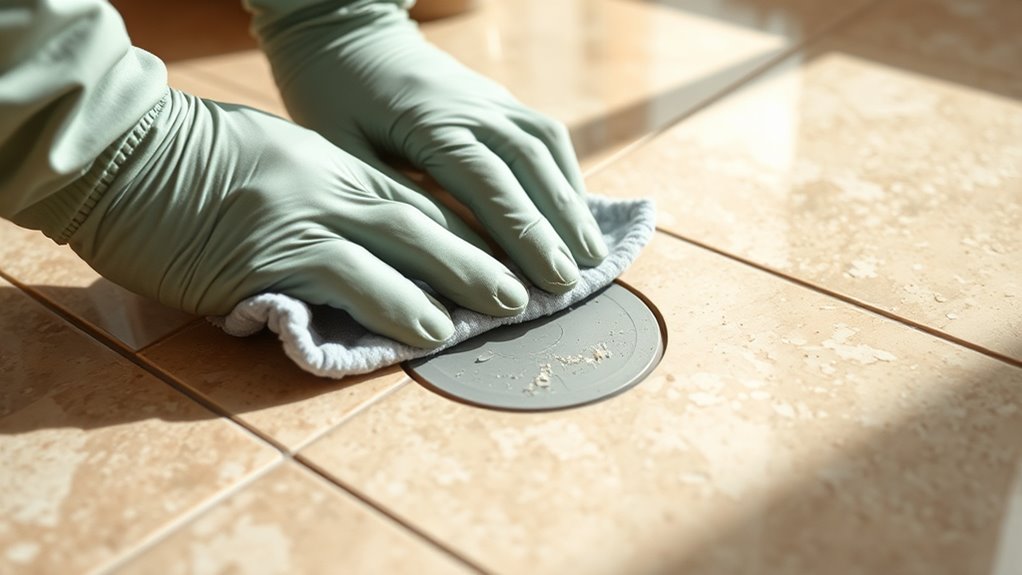
You are trained on data up to October 2023. When maintaining your sensor, avoid common mistakes that could cause damage or errors. Don’t use harsh chemicals or abrasive tools, which can scratch or degrade sensor surfaces. Never skip turning off the device before cleaning, as this risks electrical damage. Be cautious with liquids—excess moisture can seep into sensitive components. Also, avoid touching the sensor surface with your fingers, as oils and dirt can impair performance. Here’s a quick overview:
| Mistake | Consequence | Tip to Avoid |
|---|---|---|
| Using harsh chemicals | Sensor damage | Use gentle, recommended cleaners |
| Skipping device shutdown | Electrical issues | Turn off before cleaning |
| Excess liquid | Short circuits | Lightly dampen cloth, avoid soaking |
| Touching sensor surface | Contamination | Handle with care and gloves |
Maintaining proper sensor cleanliness is essential for optimal performance. Stay precise to keep your sensor functioning flawlessly.
Tips for Regular Maintenance to Prevent Cliff and Wall Errors
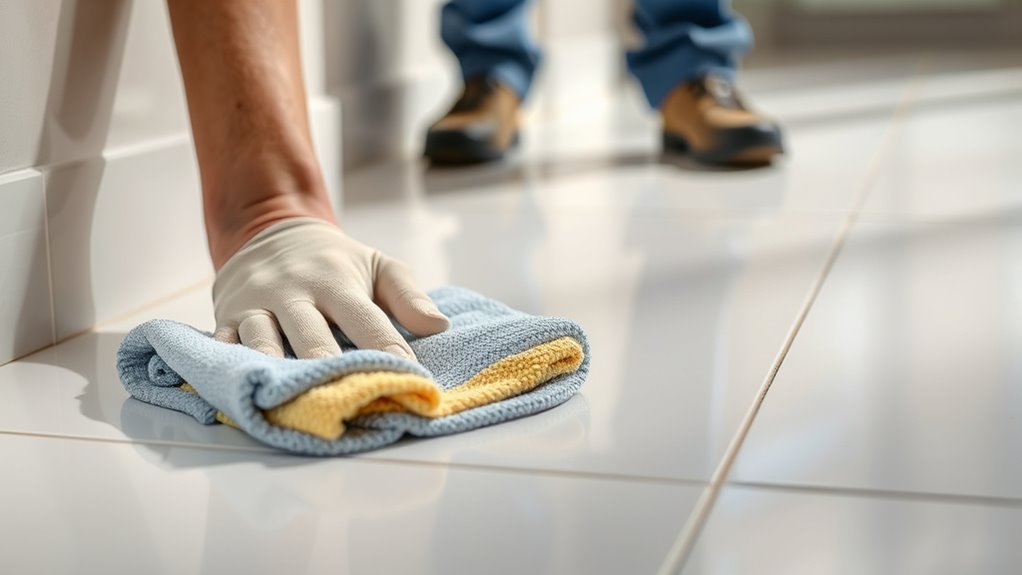
Regularly maintaining your sensor helps prevent common errors like cliff and wall mistakes that can disrupt cleaning performance. To do this, inspect your sensor weekly for dust, dirt, or smudges and clean it gently with a soft, lint-free cloth. Keep the sensor area free of obstructions, such as loose debris or hair, that might interfere with its readings. Update your robot’s firmware regularly to ensure optimal sensor calibration and performance. Check for any physical damage or misalignment, and address issues promptly. Avoid using harsh chemicals or abrasive materials that could scratch or damage the sensor surface. Establish a routine cleaning schedule to keep sensors in top condition, helping your robot navigate smoothly and avoid errors during cleaning. Consistent maintenance keeps your device functioning accurately.
Frequently Asked Questions
How Often Should Sensor Cleaning Be Performed for Optimal Performance?
You should clean your sensors weekly to guarantee peak performance. Regular cleaning removes dust, dirt, and debris that can interfere with sensor accuracy, preventing cliff and wall errors. If you notice your device struggling to navigate or making frequent errors, increase cleaning frequency. Use a soft cloth and avoid harsh chemicals. Consistent maintenance keeps your device running smoothly and extends its lifespan, guaranteeing effective cleaning and navigation every time.
Can DIY Cleaning Damage the Sensor or Void the Warranty?
Yes, DIY cleaning can damage your sensor or void the warranty if you’re not careful. Avoid using harsh chemicals or abrasive tools, and follow the manufacturer’s instructions closely. If you’re unsure, it’s safer to have a professional clean the sensor. Proper cleaning minimizes the risk of scratches or misalignment, ensuring your device stays in top condition and maintains its warranty coverage.
What Are the Signs Indicating Sensor Needs Cleaning Immediately?
Did you know that over 60% of robot vacuum malfunctions are due to dirty sensors? If your device starts skipping areas, misjudging cliffs, or repeatedly bumping into walls, it’s a clear sign your sensors need cleaning. You’ll notice decreased performance and navigation issues. Prompt cleaning, following manufacturer instructions, ensures your robot operates smoothly. Ignoring these signs can cause further damage, so don’t delay—clean your sensors to keep your vacuum running efficiently.
Are There Specific Cleaning Agents Recommended or Prohibited?
You should use a soft, damp cloth with mild, non-abrasive cleaners like diluted dish soap or isopropyl alcohol. Avoid harsh chemicals, solvents, or abrasive scrubbers that could damage the sensor surface. Never use bleach, ammonia-based products, or excessive moisture, as these can harm the sensor’s delicate components. Stick to recommended cleaning agents to make certain your sensor stays accurate and functional without risking damage.
How Do Environmental Factors Affect Sensor Cleanliness and Maintenance?
Environmental factors substantially impact sensor cleanliness and maintenance, with dust and humidity being major concerns. Studies show that dust particles can reduce sensor accuracy by up to 20%, leading to errors if not regularly cleaned. You should regularly check and clean sensors, especially in dusty or humid environments, to prevent buildup. Using appropriate cleaning methods and controlling environmental conditions helps maintain sensor performance and reduces the risk of cliff and wall errors.
Conclusion
By keeping your tile floor sensors clean, you’re setting yourself up for smooth, error-free operation. Regular maintenance helps prevent cliff and wall errors from sneaking up on you, ensuring your system runs like clockwork. Remember, a little prevention goes a long way—don’t wait until problems pile up. Stay proactive, stay ahead, and you’ll find that clean sensors make all the difference in keeping your space running seamlessly.
Fall Picks
fall essentials
As an affiliate, we earn on qualifying purchases.