
If you see foam in your recovery tank on laminate floors, it’s likely caused by airflow blockages, chemical imbalances, or using the wrong cleaning solutions. To fix this, check vents, filters, and exhaust ports for obstructions and switch to low-foaming, compatible chemicals. Applying a defoamer can also help control persistent bubbles. Keep system components in good shape, and you’ll minimize foam issues—learn more about effective foam control strategies ahead.

Get cleaning gear delivered free with Prime
- Fast, free delivery on millions of items
- Prime Video, Amazon Music and more included
- Member-only deals all year
Key Takeaways
- Use a compatible, low-foaming defoamer to quickly reduce foam in the recovery tank.
- Ensure proper airflow by checking vents, filters, and exhaust ports for blockages.
- Verify chemical dilution and formulation align with manufacturer instructions to prevent excessive foam.
- Regularly clean system components to maintain optimal airflow and chemical balance.
- Test small amounts of defoamer first to confirm effectiveness without damaging surfaces.
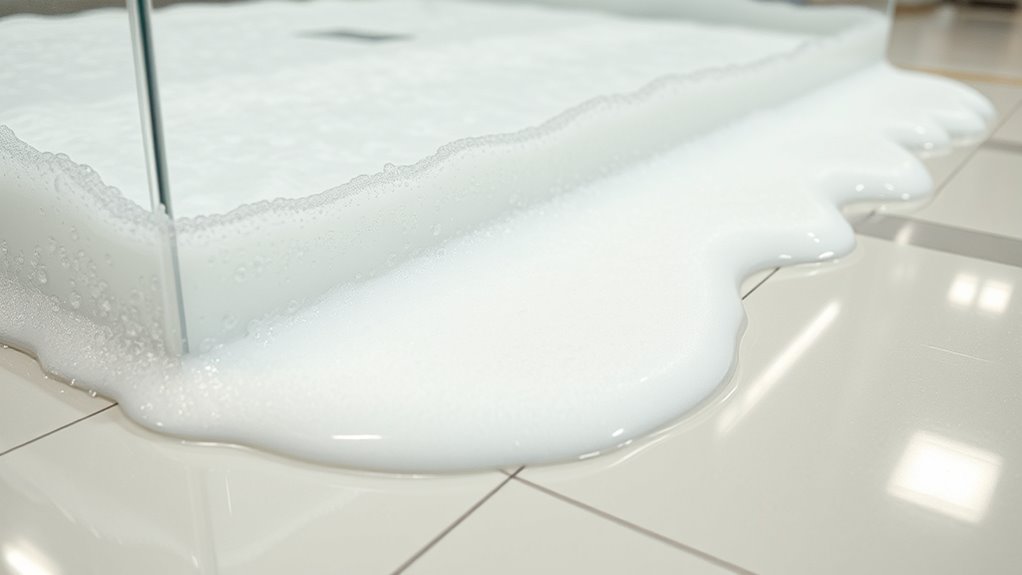
Have you ever noticed foam forming in your recovery tank? If you’ve been using a laminate floor cleaning system, foam buildup can be more than just a minor annoyance. It can indicate underlying issues like airflow problems or improper chemical balance, which can compromise the cleaning process and damage your equipment. Understanding what causes foam and how to prevent it is essential for effective, efficient cleaning.
Airflow issues are often overlooked but play a significant role in foam formation. When airflow isn’t adequate, it can lead to poor agitation of cleaning solutions inside the recovery tank. This stagnation allows bubbles to form and persist longer than they should. Insufficient airflow can also cause the vacuum system to struggle with removing foam, leading to excessive foam accumulation in the tank. To fix this, check that all vents, filters, and exhaust ports are clear and functioning properly. Improving airflow ensures better separation of air and liquid, reducing foam and helping your system operate smoothly.
Poor airflow causes foam buildup by hindering bubble removal and liquid agitation.
Another common culprit is the chemical balance within your cleaning solution. Using the wrong concentration of chemicals or mixing incompatible solutions can lead to foaming issues. Too much detergent or soap can create excess bubbles, especially if the solution isn’t properly formulated for use in recovery tanks. Conversely, too little chemical might not break down soils effectively, leaving residues that can trap air and generate foam. Carefully follow manufacturer instructions for dilution ratios and choose cleaning agents designed to minimize foaming. Maintaining the correct chemical balance helps prevent unnecessary foam buildup and ensures your laminate floors are cleaned thoroughly without damage.
Additionally, the type of chemicals you use matters. Some cleaning solutions are specifically formulated to be low-foaming, which is ideal for recovery tanks. If you’re experiencing persistent foam, consider switching to a defoamer or a low-foaming cleaning agent. Using a defoamer can be a quick fix, but it’s best to address the root causes like airflow and chemical balance for long-term results. Always test new solutions on a small area first to ensure they won’t harm your laminate flooring. Regularly monitoring chemical formulation can help maintain optimal performance and prevent foam issues before they arise.
As an affiliate, we earn on qualifying purchases.
Frequently Asked Questions
Can Foam Damage Laminate Flooring Over Time?
Foam buildup itself usually won’t directly damage laminate flooring, but over time, the chemical reactions from prolonged exposure to foam and chemicals can weaken the surface. If foam persists, it may cause moisture to seep in, leading to swelling or warping. You should regularly remove foam and use a defoamer to prevent chemical reactions that could harm your laminate. Consistent maintenance keeps your floors looking their best and prevents long-term damage.
What Causes Excessive Foam in the Recovery Tank?
You’re hitting the nail on the head when you ask about excessive foam in the recovery tank. It’s usually caused by chemical reactions between cleaning solutions and impurities, which lead to foam formation. Overuse of detergents or incompatible chemicals can also make foam escalate quickly. To keep it in check, use the right amount of cleaning agents and ensure proper rinsing. A little prevention goes a long way!
How Often Should I Check the Defoamer Levels?
You should check the defoamer levels daily to guarantee optimal performance. Regular tank monitoring frequency helps you catch declining defoamer effectiveness early, preventing excess foam buildup. Keep in mind that the defoamer lifespan varies with usage, so frequent inspections are key. By maintaining consistent checks, you ensure the defoamer stays effective, reducing foam issues and keeping your laminate floors clean and safe.
Are There Eco-Friendly Defoamer Options Available?
Yes, eco-friendly defoamer options are available. You can look for products made with biodegradable solutions and natural ingredients, which reduce environmental impact. These defoamers work effectively while being safe for your floors and the environment. Always check labels to verify they meet eco-friendly standards, and consider using natural-based defoamers regularly to maintain a safe and sustainable cleaning process.
Will Using Too Much Defoamer Affect Cleaning Performance?
Think of defoamer effectiveness as a delicate dance—use too much, and foam stability may be compromised, lowering cleaning performance. Overapplication can cause the defoamer to lose its punch, making it less effective at controlling foam in your recovery tank. This can lead to lingering foam, reducing your cleaning efficiency. To keep things smooth and effective, follow manufacturer guidelines and avoid excess, ensuring ideal foam control without sacrificing cleaning power.
Conclusion
Now that you know how to tackle foam in your recovery tank, remember—it’s more than just a nuisance; it’s a sign you’re taking control of your cleaning process. With the right deformer, you can restore your laminate floors to their pristine shine and regain peace of mind. Don’t let foam turn your effort into frustration—rise above it, and let your cleaning be a testament to your dedication. Your spotless floors are waiting.
Fall Picks
fall essentials
As an affiliate, we earn on qualifying purchases.