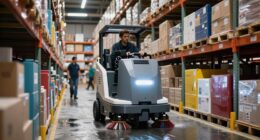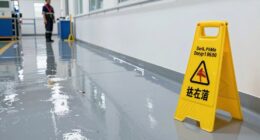
Pre-sweeping your office lobby is key when safety, security, and cleanliness matter most. It clears loose debris, reduces slip hazards, and helps spot security concerns early. While tight schedules might tempt you to skip it, integrating pre-sweeps can improve overall safety and hygiene. Using modern tools can also speed up the process. For insights on when and how to decide, keep going—you’ll find more useful tips ahead.
Key Takeaways
- Pre-sweeping enhances safety by removing hazards and helps identify security concerns early.
- It improves cleaning efficiency and effectiveness, especially in high-traffic or sensitive areas.
- Consider safety standards, operational schedules, and available equipment to decide if pre-sweeping is necessary.
- Fast-paced routines or modern tools may reduce the need for separate pre-sweeps.
- The decision should balance safety, security, and operational priorities for optimal results.

When it comes to maintaining cleanliness in office lobbies, the decision to perform a pre-sweep before regular cleaning often sparks debate. Some believe it’s essential for a thorough clean, while others see it as an unnecessary step that wastes time. To make an informed choice, you need to consider how pre-sweeps align with your organization’s security protocols and cleaning schedules. Pre-sweeping involves removing loose debris, dust, or trash before more detailed cleaning begins. It’s a step meant to ensure that the subsequent cleaning is more effective and efficient. But whether you should implement it depends on your specific context.
Your security protocols play a critical role in this decision. If your office lobby is high-traffic or hosts visitors with access to sensitive areas, a pre-sweep might help maintain safety standards. It ensures that any potential hazards like loose papers, small objects, or debris are cleared out promptly, reducing the risk of slips, trips, or falls. Additionally, pre-sweeping can help identify security concerns—such as misplaced items or signs of tampering—that might otherwise go unnoticed during a more thorough cleaning. It also allows cleaning staff to quickly spot suspicious objects or irregularities, aligning with protocols for safety and security.
Pre-sweeping enhances safety by clearing hazards and identifying security concerns in high-traffic or sensitive office lobbies.
On the other hand, your cleaning schedules influence whether a pre-sweep makes sense. If your schedule is tight, with cleaning planned during off-hours or limited windows, skipping the pre-sweep can save valuable time. In some cases, your cleaning team might prefer to perform a detailed, all-in-one cleaning without prior sweeping, especially if they’re equipped with tools that can handle debris effectively during the main cleaning process. Conversely, if your schedule includes frequent cleanings or layered cleaning routines, incorporating a pre-sweep can improve the overall quality of your lobby’s appearance.
Moreover, understanding the importance of compliance with safety standards can help determine when a pre-sweep is necessary to meet regulatory requirements. Ultimately, you have to balance the benefits of pre-sweeping with operational considerations. If it enhances safety and aligns with your security protocols, it’s worth the extra step. You should also evaluate whether your cleaning schedules permit the time needed for pre-sweeps without disrupting workflow or guest experience. Some organizations find that a quick pre-sweep at the start of each cleaning session reduces debris buildup and makes the entire process smoother. Others might opt for a more integrated approach, using modern cleaning equipment that minimizes the need for a separate pre-sweep.

Outdoor Broom,Heavy-Duty Extra Long Handle Broom-58 inches,Large Commercial Angle Broom for Sweeping Indoor Kitchen Office Lobby Courtyard Garage
Extra-long handle heavy-duty broom, 58-inch total length—no need to bend over, no back pain or strain while using.5-layer…
As an affiliate, we earn on qualifying purchases.
As an affiliate, we earn on qualifying purchases.
Frequently Asked Questions
Are Pre-Sweeps Legally Required in Office Lobbies?
Pre-sweeps in office lobbies aren’t legally required, but adhering to proper security protocols is vital. You should follow your company’s policies and local laws, which might mandate screening for safety reasons. It’s best to stay informed about your legal obligations and security procedures, ensuring you’re prepared to handle any situation appropriately. Always prioritize safety and compliance, even if pre-sweeps aren’t explicitly mandated by law.
How Often Should Pre-Sweeps Be Conducted?
You should conduct pre-sweeps regularly, ideally aligning with your cleaning schedules and maintenance procedures. For high-traffic office lobbies, consider daily or at least twice-weekly pre-sweeps to ensure safety and cleanliness. Consistent pre-sweeps help prevent debris buildup, reduce slip hazards, and maintain a professional environment. Adjust the frequency based on foot traffic and specific needs, but maintaining a routine guarantees your lobby stays clean and safe for everyone.
What Equipment Is Needed for an Effective Pre-Sweep?
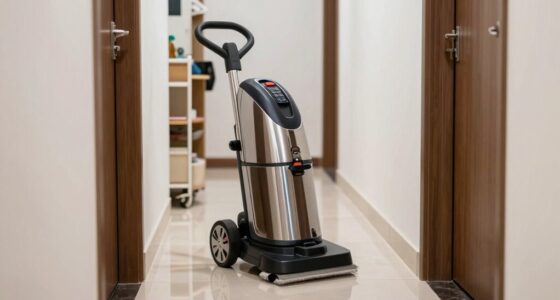
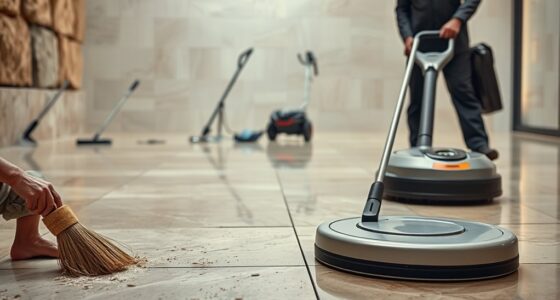
Think of your pre-sweep as arming yourself with a trusty toolkit before battle. You’ll need brooms, dustpans, microfiber cloths, and vacuums to tackle debris efficiently. Don’t forget cleaning protocols to guarantee safety and thoroughness, and regularly maintain your equipment to keep it in top shape. With the right gear and upkeep, your pre-sweep becomes a powerful shield against dirt, keeping your lobby spotless and inviting.
Who Is Responsible for Performing the Pre-Sweep?
You are responsible for performing the pre-sweep, as part of the pre-sweep responsibilities. The pre-sweep team composition typically includes trained personnel who understand the process and equipment involved. Your role is to guarantee the area is thoroughly checked and cleaned before the main event or cleaning, following safety and efficiency standards. By taking charge of this task, you help maintain a safe, clean environment and ensure smooth operations.
Are There Safety Concerns During the Pre-Sweep Process?
Yes, safety concerns exist during the pre-sweep process, so you need to follow strict security protocols to minimize risks. Make certain all team members are trained in emergency preparedness, including evacuation procedures and handling unexpected incidents. Regularly review safety measures and communicate clearly to prevent accidents. By prioritizing these protocols, you protect everyone involved and maintain a secure environment during the pre-sweep.

High Speed Industrial Fan 30000rpm Motor Compact Ergonomic Design Debris Removal Equipment Rapid Electric Fan
Variable Pace Regulation: Hard wearing intelligent pressure sensitive speed for precise ventilation, allowing individualized ventilation for different cleansing…
As an affiliate, we earn on qualifying purchases.
As an affiliate, we earn on qualifying purchases.
Conclusion
So, next time you step into an office lobby, remember, skipping the pre-sweep could turn you into a total chaos magnet! Ignoring this rule isn’t just a minor slip—it’s like inviting a tornado to your day. Keep things smooth, follow the guidelines, and avoid turning your routine into a blockbuster disaster. Trust me, a quick pre-sweep isn’t just a tip—it’s your secret weapon against office chaos!

Safety Technology International, Inc. STI-6400 Exit Stopper Multifunction Door Alarm, Helps Prevent Unauthorized Exits or Entries Through Emergency Doors
Highly visible "stop sign" design acts as a deterrent
As an affiliate, we earn on qualifying purchases.
As an affiliate, we earn on qualifying purchases.

CLEANHOME 36" Commercial Dust Mops for Floor Cleaning Heavy Duty Floor Duster Mop with Long Handle Hotel Gym Household Cleaning Supplies for Hardwood, Tiles, Marble Floors (Green)
39" X 8.5" Large Microfiber Mop Pad: Good absorbent polyester surface perfect for wet mopping and dry sweeping.With…
As an affiliate, we earn on qualifying purchases.
As an affiliate, we earn on qualifying purchases.