Using the right water temperature in floor scrubbing is key to getting the best results. Warm or hot water helps cleaning agents work more effectively, lifting stubborn grime and grease with less effort. However, too hot can damage delicate surfaces, so it’s important to choose wisely based on your floor type. Proper temperature control saves time, reduces chemical use, and prevents damage. Keep going to discover how to pick the perfect water temperature for your floors.
Key Takeaways
- Hot water improves cleaning agent effectiveness, making it easier to remove stains and grease.
- Proper temperature prevents damage to delicate surfaces like vinyl, laminate, or sealed wood.
- Some cleaning agents work best at specific temperatures, enhancing their chemical reactions and dirt removal.
- Using the right water temperature reduces the need for multiple passes and saves cleaning time.
- Managing water temperature efficiently can lower energy consumption during the cleaning process.
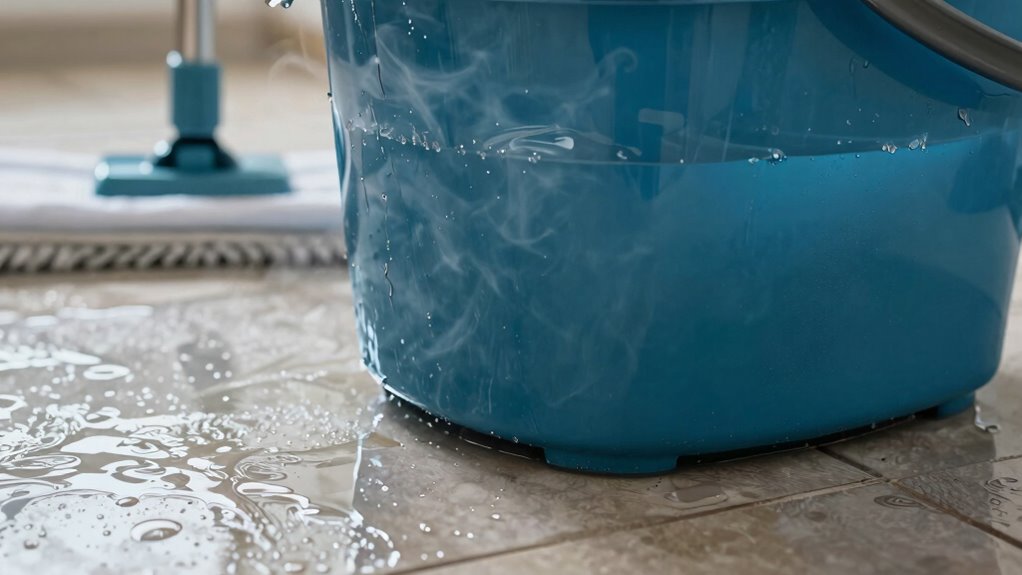
When it comes to effectively cleaning floors, water temperature plays a vital role in the overall results. The temperature of the water you use can influence how well cleaning agents work and how thoroughly you remove dirt and grime. Warm or hot water often enhances the effectiveness of cleaning agents, making it easier to lift stubborn stains and grease. However, selecting the right temperature isn’t just about maximizing cleaning power; it’s also about considering the surface you’re working on. Not all floors respond well to high temperatures, and using water that’s too hot can damage certain materials or cause discoloration.
Understanding surface compatibility is key to achieving clean floors without causing harm. For delicate surfaces like vinyl, laminate, or certain sealed woods, hot water might warp or discolor the material. In these cases, warm water—rather than boiling or scalding—works better. On the other hand, for durable surfaces such as tile or stone, hotter water can be beneficial because it helps dissolve oils, grease, and grime more effectively. When you choose your water temperature, think about the surface’s resilience and the cleaning agents you plan to use. Some cleaning agents are formulated for hot water and become more effective when combined with the right temperature, while others might degrade or lose potency if exposed to excessive heat.
Temperature also affects how well cleaning agents interact with dirt and contaminants. Hot water enhances the chemical reactions that break down oils and stubborn residues, which means less scrubbing and fewer passes needed to achieve a spotless finish. Conversely, using cold water might reduce the effectiveness of some cleaning agents, requiring you to use more product or spend more time scrubbing. Still, if you’re cleaning a sensitive surface or using a cleaning agent labeled for cold water, sticking to lower temperatures is the safer option. Additionally, understanding surface compatibility helps prevent unintended damage or discoloration. Being aware of the appropriate water temperature for each surface type ensures you don’t inadvertently cause damage or reduce the lifespan of your flooring materials. Properly managing water temperature can also help optimize your cleaning routine and reduce energy consumption. Informed decisions about water temperature can also contribute to energy efficiency, saving you both time and resources during cleaning routines.
Balancing water temperature with cleaning agents and surface compatibility ensures you get the best results. Always read the manufacturer’s instructions on cleaning products to see if they specify ideal water temperatures. When in doubt, test a small, inconspicuous area first to see how the surface reacts to different temperatures. By paying attention to these factors, you’ll make sure your floor cleaning efforts are both effective and safe, leaving your floors spotless without risking damage.

Sanitmax 17" Floor Buffer Scrubber Polisher Machine with 3.4 Gallon Tank, 2.0 HP, 175 RPM, Industrial and Commercial Professional Use
MULTI-FUNCTION COMMERCIAL FLOOR MACHINE: Designed for cleaning, stripping, polishing, waxing, and maintenance on a wide range of floor…
As an affiliate, we earn on qualifying purchases.
As an affiliate, we earn on qualifying purchases.
Frequently Asked Questions
Can Cold Water Be Effective for Stubborn Stains?
Cold water can be effective for stubborn stain removal, but it depends on the stain type. For oily or greasy stains, cold water might not be enough, so warm or hot water usually works better. However, for certain organic stains like blood or wine, cold water can help preserve the stain’s structure and still be effective. Test a small area first to see if cold water does the trick for your specific stain.
How Does Water Temperature Affect Drying Time?
Imagine you’re cleaning a commercial kitchen floor; using hot water speeds up drying time because it enhances evaporation. Temperature control directly impacts drying efficiency—hotter water can reduce moisture lingering, helping floors dry faster. Conversely, cold water prolongs the drying process, leading to potential slip hazards. By adjusting water temperature appropriately, you guarantee quicker drying times, improve safety, and maintain a clean, safe environment.
Is Hot Water Safe for All Types of Flooring?
Hot water isn’t safe for all types of flooring. For delicate materials like hardwood or laminate, hot water can cause warping, swelling, or damage to the finish. For tile or vinyl, hot water generally works well, especially with effective cleaning agents. Always check your floor’s material and manufacturer’s recommendations before using hot water. Using the right temperature helps protect your floors while ensuring effective cleaning.
What Water Temperature Is Best for Eco-Friendly Cleaning?
For eco-friendly cleaning, use warm water around 100°F to balance effective cleaning with water conservation. This temperature helps activate eco-friendly solutions without wasting energy or risking damage to sensitive floors. Avoid hot water, which consumes more energy and can harm some surfaces. By choosing the right water temperature, you guarantee thorough cleaning while supporting water conservation efforts and reducing your environmental impact.
Does Water Temperature Influence Bacteria Removal Efficiency?
Think of water temperature as the engine powering your cleaning race. Higher temperatures boost bacteria eradication, making your cleaning more effective. Warm water loosens grime and kills germs more efficiently, guaranteeing a thorough sanitation. Cold water, while good for eco-friendly cleaning, might not deliver the same level of bacteria removal. So, for maximum cleaning effectiveness, especially against germs, warmer water is your best bet to guarantee a cleaner, healthier floor.

BLONEX Cordless Electric Mop with Spray & Detachable Water Tank, Lightweight Electric Spin Mop with Headlights for Hardwood Tile Laminate Floors, Long-Lasting Battery, Self-Propelled Floor Cleaner
Dual-Spin Motor Electric Mop for Effortless Everyday Floor Cleaning: The BLONEX Electric Mop is equipped with dual-rotating motors,…
As an affiliate, we earn on qualifying purchases.
As an affiliate, we earn on qualifying purchases.
Conclusion
Remember, the water you choose isn’t just a simple tool—it’s the heartbeat of your cleaning ritual. Warm water breathes new life into stubborn grime, symbolizing renewal and fresh beginnings. When you pay attention to temperature, you’re not just cleaning a floor; you’re nurturing a space of comfort and clarity. Let the water’s warmth remind you that every clean surface is a blank canvas, waiting for your care to transform it into a sanctuary of peace.

Hoover FloorMate Deluxe Hard Floor Cleaner Machine, Lightweight Cleaning Machine, Floor Scrubber with Spin Scrub Brushes, Wash and Dry Mode, Ideal for Hardwood, Vinyl, Tile, Laminate and More
LIGHTWEIGHT HARD FLOOR CLEANER MACHINE: Powerfully clean across floors with the Hoover FloorMate Deluxe Hard Floor Cleaning Machine….
As an affiliate, we earn on qualifying purchases.
As an affiliate, we earn on qualifying purchases.

Shark Steam & Scrub Steam Mop, All-in-One Scrubbing and Sanitizing Hard Floor Cleaner, LED Headlights, 4 Dirt Grip Soft Scrub Pads Included, XL Water Tank, Swivel Steering, Hawaiian Grey, S8001
SCRUBBING AND SANITIZING*: Tough on stains and gentle on floors. *To sanitize floors, be sure to completely follow…
As an affiliate, we earn on qualifying purchases.
As an affiliate, we earn on qualifying purchases.