
To develop effective outdoor parking lot sweeping strategies, focus on evaluating high-traffic and critical areas like entrances and drainage zones, then set a consistent cleaning schedule based on debris patterns. Use the right tools, such as push brooms, leaf blowers, and power sweepers, and ensure regular maintenance of equipment. Regular debris removal keeps the lot safe, attractive, and compliant. Keep exploring for more tips on maintaining a debris-free parking environment.
Key Takeaways
- Prioritize high-traffic areas like entrances and exits for regular debris removal.
- Use a combination of tools such as leaf blowers and sweepers for thorough cleaning.
- Develop a consistent sweeping schedule based on debris patterns and environmental factors.
- Regularly inspect and maintain equipment to ensure optimal performance and longevity.
- Properly dispose of debris and keep drainage systems clear to prevent water damage.
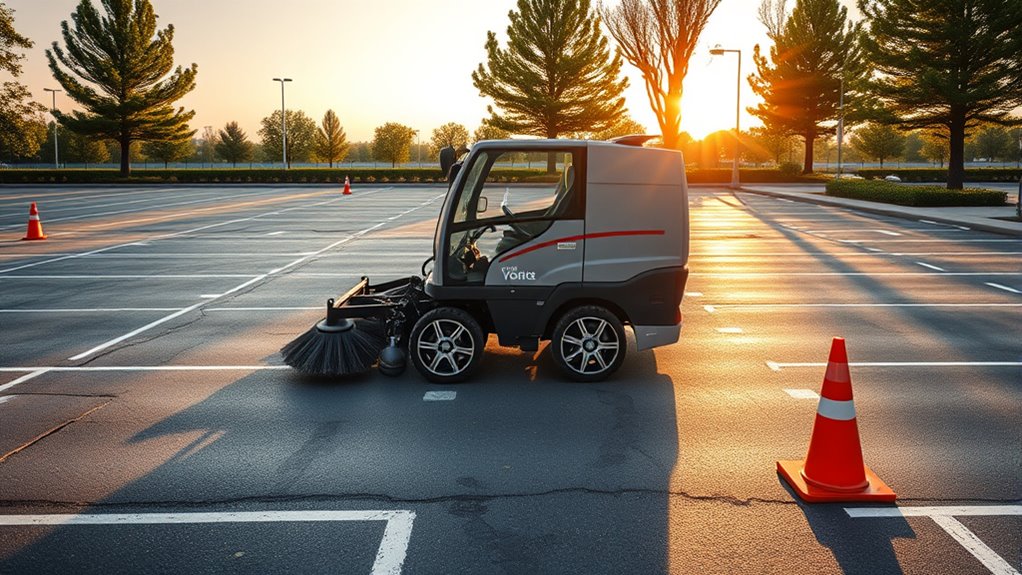
Maintaining a clean outdoor parking lot is essential for safety, appearance, and compliance, and implementing effective sweeping strategies is the first step toward achieving these goals. Proper parking lot maintenance involves more than just regular cleaning; it requires a strategic approach to debris removal that keeps the lot safe and appealing. Your goal should be to prevent hazards such as slippery substances, accumulated trash, or uneven surfaces that can cause accidents or damage vehicles. To do this, you need to master debris removal techniques that maximize efficiency and effectiveness.
Regular cleaning and strategic debris removal keep your parking lot safe, attractive, and compliant.
Start by assessing your parking lot’s specific needs. Consider factors like the amount of foot traffic, nearby trees, and weather conditions, all of which influence debris buildup. For instance, lots surrounded by trees will require more frequent leaf and twig removal, while storm events might lead to an increase in dirt, gravel, or trash. Once you understand these patterns, you can develop a consistent sweeping schedule that minimizes debris accumulation. Regularly scheduled cleanings prevent debris from becoming embedded or hard to remove, making maintenance easier and more cost-effective over time.
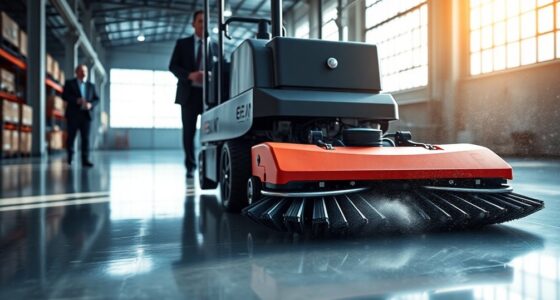
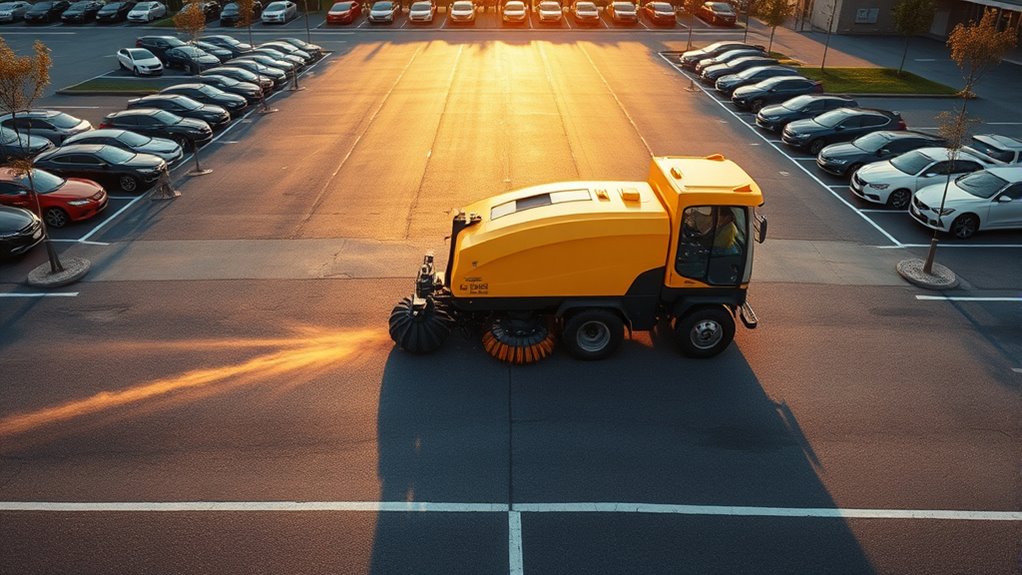
Choosing the right tools is vital. A high-quality broom or sweeper suited to your lot’s size and debris type can greatly improve your debris removal techniques. For smaller lots, manual push brooms are effective, but larger areas benefit from power sweepers or industrial vacuum sweepers. These machines can cover more ground quickly and efficiently, removing dirt, leaves, and trash without requiring extensive manual effort. Additionally, consider using leaf blowers for initial debris collection in hard-to-reach areas, such as corners or around parked vehicles. This two-step process makes sweeping more thorough and less time-consuming.
Another key debris removal technique involves focusing on high-traffic zones. These areas tend to accumulate more debris and require more frequent cleaning. Pay special attention to entrances, exits, and pathways where debris can pose slipping hazards or block drainage systems. Regularly inspect these zones and adjust your sweeping frequency accordingly. Also, ensure that debris collected from sweeping is promptly removed and disposed of properly to prevent recontamination or clutter buildup.
Effective parking lot maintenance also involves inspecting your sweeping equipment regularly. Well-maintained tools operate more efficiently, reduce breakdowns, and extend their lifespan. Keep brushes clean and replace worn parts as needed. This guarantees your debris removal techniques stay effective and your parking lot remains in prime condition. Additionally, incorporating proper debris disposal and storage practices can further enhance safety and efficiency. Overall, adopting a strategic approach to parking lot maintenance and debris removal techniques keeps your lot safe, attractive, and compliant with regulations, providing a better experience for visitors and protecting your property investment.

PBHEPJ 18 Inchs Push Broom Outdoor Heavy Duty, Shop Broom with 60" Long Handle for Cleaning Outdoor or Indoor Tile, Garage, Shop, Deck, Concrete, Wood, Stone, Patio Floor
Extra Thick and Long Handle Outdoor Push Broom: Diameter: 1in, Wall thickness: 0.5mm. Outdoor push broom with 60"…
As an affiliate, we earn on qualifying purchases.
As an affiliate, we earn on qualifying purchases.
Frequently Asked Questions
How Often Should Parking Lots Be Swept for Optimal Cleanliness?
You should sweep your parking lot at least once every 1-2 weeks for ideal cleanliness. Regular parking lot maintenance helps prevent dirt buildup and extends surface life. Use effective dirt removal techniques like sweeping with a powerful broom or industrial vacuum to remove debris, leaves, and dirt efficiently. During peak seasons or after storms, increase frequency to keep the lot safe and visually appealing, minimizing damage and ensuring a professional appearance.
What Equipment Is Best for Large Outdoor Parking Lot Sweeping?
For large outdoor parking lots, you should use heavy-duty sweeping equipment types like ride-on sweepers or large broom attachments. These tools effectively eliminate parking lot debris, including dirt, leaves, and trash. Ride-on sweepers offer efficiency and speed, while broom attachments attach to skid-steer loaders for versatile cleaning. Both options guarantee thorough sweeping, reduce manual labor, and keep your parking lot clean and safe for visitors.
How Do Weather Conditions Affect Parking Lot Sweeping Schedules?
Weather conditions markedly affect your parking lot sweeping schedule. Seasonal debris, like fallen leaves in autumn or snow in winter, requires more frequent cleaning. Wind impact can blow dust and lighter debris into your lot, making sweeping necessary more often. Rain can wash away debris but also create muddy conditions that hinder sweeping. Adjust your schedule based on these factors to maintain cleanliness and safety effectively.
Are Eco-Friendly Sweeping Options Available for Outdoor Lots?
You can choose eco-friendly sweeping options like biodegradable sweepers and electric-powered equipment for outdoor lots. For example, a shopping center switched to biodegradable sweepers and electric vacuums, reducing their environmental impact markedly. These options cut down on harmful emissions and waste, making your parking lot cleaner and greener. Implementing eco-friendly tools not only benefits the environment but also aligns with sustainable business practices, showing your commitment to eco-conscious operations.
What Safety Measures Should Workers Follow During Sweeping Operations?
You should always wear personal protective equipment like gloves, masks, and safety goggles to protect yourself during sweeping operations. Verify hazard signage is clearly displayed to alert pedestrians and vehicles of ongoing work. Follow safety protocols, stay alert, and communicate with your team. Regularly inspect your equipment for faults, and take breaks to prevent fatigue. These precautions keep you safe and help maintain a secure environment during sweeping tasks.
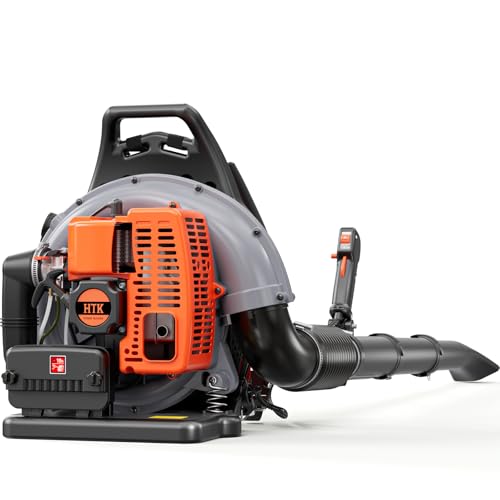
HTK Backpack Blower, 63CC Gas Powered Leaf Blower with 665 CFM & 205 MPH for Commercial Lawn Care, Yard Debris & Snow Removal (Orange)
Unleash Dominating Power: Command your property with a heavy duty, commercial-grade 63CC 2-stroke gas engine; blast through wet…
As an affiliate, we earn on qualifying purchases.
As an affiliate, we earn on qualifying purchases.
Conclusion
Implementing effective outdoor parking lot sweeping strategies is like tending a garden—you need consistent effort to keep it pristine. I once saw a lot that was neglected for months, turning into a muddy mess, but after regular sweeping, it transformed into a welcoming space. Just like a gardener’s care nurtures growth, your dedication to routine sweeping preserves cleanliness and safety. Stay committed, and your parking lot will always be ready to make a great first impression.

30" Battery Powered Push Sweeper with Triple Power Brooms Electric Drive and Dust Suppression (30" Sweeper)
[5X FASTER THAN A BROOM] Boost productivity with a triple brush system that delivers consistent cleaning results along…
As an affiliate, we earn on qualifying purchases.
As an affiliate, we earn on qualifying purchases.

RIDALIYA 63CC Gas Leaf Blower, 3.2HP Backpack Blower with 660 CFM Air Volume and 200 MPH Wind Speed, Powerful 2-Stroke Engine for Heavy-Duty Lawn, Yard, and Parking Lot Cleanup
High-Powered 3.2HP 2-Stroke Engine: Built with a robust 63cc 2-stroke motor, this backpack blower delivers an impressive 3.2…
As an affiliate, we earn on qualifying purchases.
As an affiliate, we earn on qualifying purchases.