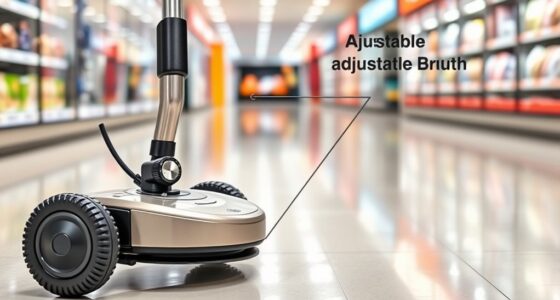
To guarantee smooth traffic flow during sweeping, you need clear and consistent safety signage that guides drivers and prevents confusion. Proper signage helps enforce parking rules, reduces accidents, and avoids equipment damage by indicating obstructions or restricted areas. Regular maintenance and quick replacement of damaged signs are essential, especially in high-traffic zones. When your signage is visible and well-maintained, safety during sweeping improves markedly. Keep exploring to discover how to optimize your signage and equipment for better results.
Key Takeaways
- Clear, visible safety signage directs drivers and pedestrians, reducing confusion and ensuring smooth traffic flow during sweeping operations.
- Regular maintenance and prompt replacement of damaged signs prevent miscommunication and enhance safety.
- Proper placement of signage according to equipment schedules minimizes disruptions and keeps traffic moving efficiently.
- High-quality signage resists weather conditions, maintaining visibility and effectiveness during sweeping activities.
- Team training on signage installation and upkeep ensures consistent communication and quick response to signage issues.

Effective safety signage is vital to maintaining smooth traffic flow during street sweeping operations. When clear signs are in place, drivers understand which areas are restricted or temporarily off-limits, preventing confusion and reducing the risk of accidents. Proper signage also helps enforce parking regulations, ensuring vehicles are moved out of designated sweeping zones and preventing obstructions that could interfere with the equipment. If signs are inconsistent or unclear, it’s easy for drivers to ignore or overlook them, leading to traffic disruptions or even damage to the sweeping machinery. Consequently, maintaining high-quality, visible signage is essential, especially during busy hours when traffic volume is high. Regular inspection and prompt replacement of damaged or faded signs help keep communication effective and make sure that everyone stays informed.
Equally important is the role of equipment maintenance in supporting safety signage efforts. When street sweeping equipment is well-maintained, it operates efficiently and safely, reducing the likelihood of breakdowns that could cause traffic delays or hazards. Well-maintained equipment also helps guarantee that signs, barriers, and cones stay in good condition. For example, flexible barriers or portable signs rely on sturdy bases and clear visibility; neglecting maintenance might cause them to fall or become illegible, defeating their purpose. Consistent checks on the machinery and signage hardware also allow you to identify issues before they escalate, minimizing interruptions to traffic flow. Proper equipment maintenance means that safety signs remain visible and functional, which is especially critical in adverse weather conditions like rain or fog, where visibility is already compromised. Additionally, investing in high-quality signage ensures better durability and effectiveness over time.
You should also coordinate signage placement with ongoing equipment maintenance schedules to prevent last-minute surprises. For instance, if a sign is knocked over or damaged during a maintenance check, you can quickly replace or reposition it, ensuring continuous clear communication to drivers. This proactive approach minimizes confusion and helps keep traffic moving smoothly. Additionally, training your team on proper signage installation and maintenance techniques ensures that signs are installed correctly and remain effective throughout the sweeping process. When everyone understands the importance of signage and equipment upkeep, you create a safer environment for workers and drivers alike.
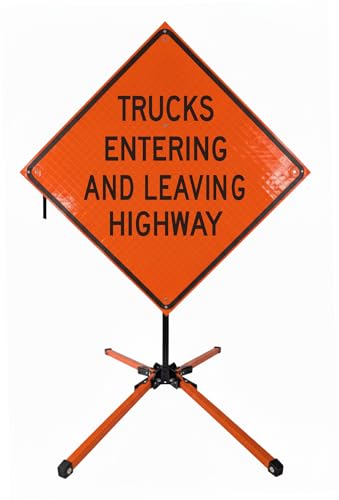
Traffic Roll-Up Sign Kit with Stand – Collapsible Safety Sign & Heavy-Duty Portable Stand, High Visibility, Easy Setup (Trucks Entering And Leaving Highway, Reflective)
Complete Sign & Stand Kit – Includes one 36” high-visibility roll-up safety sign and one 4-leg steel sign…
As an affiliate, we earn on qualifying purchases.
As an affiliate, we earn on qualifying purchases.
Frequently Asked Questions
How Do Weather Conditions Affect Sweeping Safety Signage?
Weather conditions substantially impact sweeping safety signage, as harsh elements can hinder visibility and comprehension. Heavy rain, snow, or strong winds reduce signs’ effectiveness, making it harder for drivers and pedestrians to notice and understand them. Additionally, weather impact can weaken signage durability, causing damage or deterioration over time. You should regularly inspect and maintain signs, especially after severe weather, to guarantee they remain clear, visible, and durable for ongoing safety during sweeping operations.
Are There Specific Signage Standards for Different Types of Streets?
Think of signage design standards as a map guiding you through busy streets. For different types of streets, you should follow specific signage placement strategies to guarantee clarity and safety. Main roads demand highly visible signs, while residential areas may require more subtle cues. By adhering to these standards, you assure your signage is effective, much like a lighthouse guiding ships safely to shore, preventing confusion and accidents during sweeping operations.
How Is Pedestrian Safety Ensured During Street Sweeping Operations?
During street sweeping, you guarantee pedestrian safety by using durable signage that clearly warns of ongoing operations. You promote pedestrian compliance by placing signs at visible locations and updating them as needed. You also implement protective barriers and designate safe crossing points to reduce risks. These measures help pedestrians stay alert and navigate safely, minimizing accidents and ensuring smooth traffic flow during sweeping activities.
What Training Is Provided to Workers Handling Signage Installation?
You receive thorough training on signage installation that emphasizes signage maintenance and worker safety protocols. You learn how to properly set up, secure, and maintain signs to assure visibility and durability. The training also stresses the importance of following safety protocols, like wearing protective gear and following safe work practices, to prevent accidents. This prepares you to efficiently install signage while prioritizing safety for yourself and others during street sweeping operations.
How Is Signage Visibility Maintained During Nighttime Sweeping?
To keep signage visible during nighttime sweeping, you utilize reflective materials on signs and cones, which catch the light from vehicle headlights. Additionally, you enhance lighting around the work zone with portable lights or streetlight adjustments. These measures ensure drivers see the signage clearly, reducing accidents and maintaining safe traffic flow. Regular checks ensure reflective surfaces remain clean and effective, so visibility stays ideal throughout the night.

Street Sweeping Services Write On Me Red 18×24 in Double Sided Yard Road Sign w/Stand
Yard Sign
As an affiliate, we earn on qualifying purchases.
As an affiliate, we earn on qualifying purchases.
Conclusion
You now understand how vital safety signage is for smooth traffic flow during sweeping. Proper signage reduces accidents and keeps everyone safe. Did you know that effective signage can decrease traffic incidents by up to 30%? By paying attention and following signs, you help create a safer environment for workers and drivers alike. So next time you see those signs, remember your role in maintaining safety and efficiency during street cleaning.

RoadHero 42 Inch Delineator Post with Base, Portable Orange Traffic Delineator Posts Cones with Reflective Collars for Parking Lots, Road Safety, Construction Events (6 Pack)
Sturdy Material: These traffic posts are made of impact proof material, suitable for long-term outdoor use
As an affiliate, we earn on qualifying purchases.
As an affiliate, we earn on qualifying purchases.
Standard Plus Maintenance Wall or Door Sign | Workplace Signage – Small
DURABLE AND LONG LASTING: Premium reinforced plastic for a long-lasting sign.
As an affiliate, we earn on qualifying purchases.
As an affiliate, we earn on qualifying purchases.