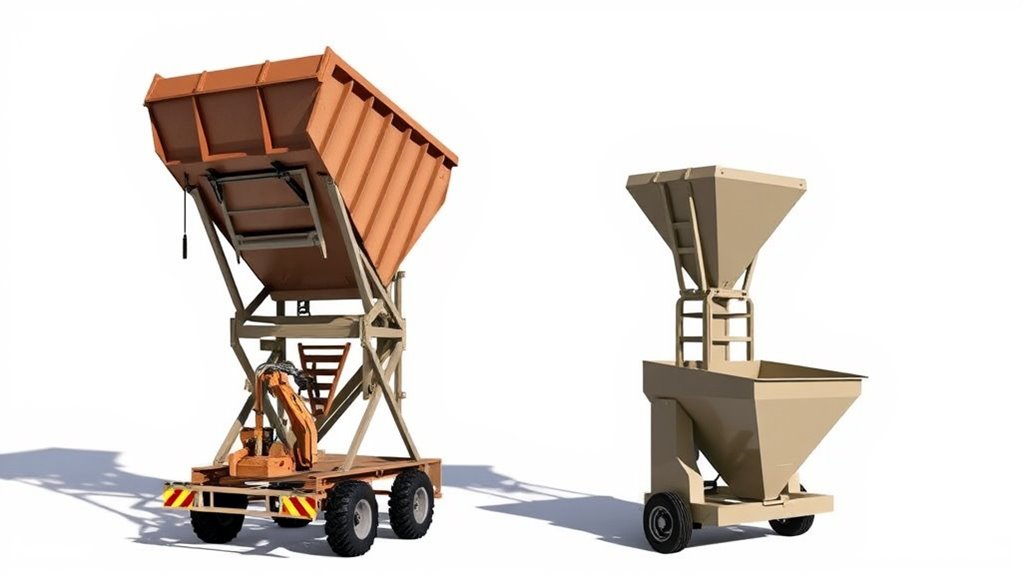

When choosing between high-dump and low-dump sweeper hoppers, consider your operational needs. High-dump hoppers are ideal if you frequently load debris into large containers or trucks, as their elevated position makes dumping easier. Low-dump hoppers are safer and more accessible for quick, frequent emptying, reducing accidents. Understanding the benefits of each can help you optimize debris collection. Keep exploring to discover which design best fits your specific sweeping tasks.
Key Takeaways
- High-dump hoppers are elevated for easier dumping into large containers, requiring structural support for added height and weight.
- Low-dump hoppers are closer to ground level, simplifying unloading and reducing safety risks during frequent dumping cycles.
- High-dump designs facilitate efficient unloading into trucks, ideal for large debris volumes, while low-dump hoppers suit smaller, frequent cleanings.
- Structural considerations differ: high-dump hoppers need reinforcement for height, whereas low-dump hoppers prioritize accessibility and safety.
- Material and capacity choices should match operational needs, balancing durability, ease of maintenance, and debris volume handling.
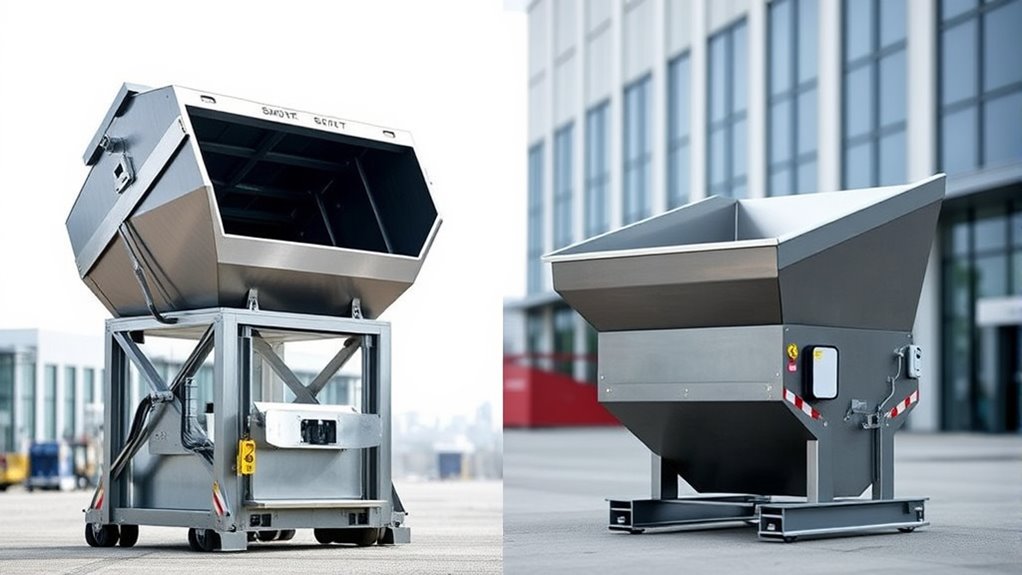
A well-designed sweeper hopper is essential for efficient debris collection in sweeping equipment. When considering hopper capacity, you need to evaluate how much debris the hopper can hold before needing to be emptied. This directly impacts operational efficiency; a larger hopper means less downtime for emptying, allowing you to cover more ground without interruptions. Conversely, if the hopper is too small, you’ll find yourself stopping frequently, reducing productivity and increasing labor costs. Hence, selecting the right hopper capacity is vital to match your specific cleaning needs.
Material selection plays a significant role in creating an effective hopper. You want a material that offers durability, resistance to corrosion, and ease of maintenance. Steel is a common choice because of its strength and longevity, but it can be heavier, which might impact the overall weight and handling of your sweeping equipment. Aluminum is lighter and corrosion-resistant, making it suitable for outdoor environments where exposure to moisture and chemicals is common. High-density plastics are also gaining popularity as they are lightweight, resistant to chemicals, and easier to clean. Your choice should be influenced by the type of debris you typically encounter, environmental conditions, and maintenance considerations.
Choosing durable, corrosion-resistant materials like steel, aluminum, or high-density plastics enhances hopper longevity and ease of maintenance.
The design of the hopper itself can influence how debris flows into the collection system. A well-shaped hopper minimizes blockages and ensures smooth unloading. When selecting the material, consider its ability to withstand impact from heavy debris or abrasive materials. For example, steel hoppers with reinforced linings can resist wear and tear better than plastic alternatives, especially in rugged environments. Additionally, the material’s friction coefficient affects how easily debris slides into the hopper—lower friction materials help prevent clogging and facilitate quicker loading.
In high-dump designs, the hopper is positioned higher, which allows for easier dumping into larger containers or trucks. This setup often requires structural considerations to support the increased height and weight. Low-dump designs, on the other hand, keep the hopper closer to the ground, simplifying unloading and reducing the risk of accidents during dumping. The material used in low-dump hoppers must be robust enough to handle frequent, often more aggressive, unloading cycles.
Ultimately, your choice between high-dump and low-dump hopper designs depends on your operational requirements, but both demand careful attention to hopper capacity and material selection. You should aim for a design that balances durability, capacity, and ease of maintenance, ensuring your sweeping equipment operates smoothly and efficiently over the long term.

HHQ Commercial Floor Scrubber Machine with Brushes and Pads, Heavy Duty Floor Cleaner Polisher and Buffer- Deep Cleaning Tile and Grout, Hardwood Floors and Carpets without Getting on Hands and Knees
Kit Included: 1 Orbital Floor Buffer & Scrubber Machine, 2 Polishing/ Stripping Pads, 3 Scrub Brushes, 1 Microfiber...
As an affiliate, we earn on qualifying purchases.
Frequently Asked Questions
How Do I Determine the Best Hopper Design for My Operation?
To determine the best hopper design for your operation, consider your hopper material and how often you need to dump. If quick, frequent dumps are necessary, a high-dump hopper reduces downtime. For heavier materials or lower operational costs, a low-dump hopper may be more efficient. Assess your material type, dumping frequency, and budget to choose the design that maximizes productivity and minimizes operational costs.
What Maintenance Practices Are Recommended for High-Dump Hoppers?
Imagine your hopper’s health as a garden needing regular care. You should follow a strict cleaning schedule to prevent buildup, and conduct wear inspections to catch early signs of damage. Regularly check hinges, seals, and moving parts, and lubricate as needed. Maintaining these maintenance practices ensures your high-dump hopper stays efficient, safe, and ready to perform at its best—like a well-tended garden in full bloom.
Are There Safety Concerns Unique to Low-Dump Hopper Systems?
You should be aware that low-dump hopper systems pose unique safety concerns, such as dust explosion risks if dust accumulates and isn’t properly managed. Crushing hazards can also occur during maintenance or when the hopper is being emptied, so always follow lockout/tagout procedures. Regular inspections and dust control measures are essential to prevent accidents, ensuring safe operation and maintenance of your low-dump hopper system.
How Does Hopper Capacity Impact Overall Plant Efficiency?
Hopper capacity directly impacts your plant’s throughput efficiency by determining how much material it can hold before needing to be emptied. A larger hopper volume reduces downtime, allowing continuous operation and higher productivity. Conversely, smaller hoppers may require frequent stops, lowering overall efficiency. Optimizing hopper capacity guarantees smoother material flow, minimizes interruptions, and maximizes throughput efficiency, helping you meet production targets more effectively.
Can Hopper Designs Be Customized for Specific Material Types?
Of course, you can customize hopper designs for specific material types—who wouldn’t want a tailor-made bin? You just need to contemplate material compatibility and explore customization options. Whether it’s sticky debris or fine dust, adjusting hopper shape, size, or discharge mechanisms can optimize performance. So go ahead, make your hopper as unique as your material, ensuring efficiency and reducing jams. After all, one size rarely fits all in the world of sweepers!

Oreck Commercial Orbiter Hard Floor Cleaner Machine, Multi-Purpose Floor Cleaning, Random Orbital Drive, Wide Cleaning Path, 50-Foot Long Cord, ORB550MC, Gray/Red
MULTI-PURPOSE CLEANING: Commercial grade cleaner and effective on all types of flooring surfaces. Sand, refinish, strip, scrub, wax,...
As an affiliate, we earn on qualifying purchases.
Conclusion
When choosing between high-dump and low-dump sweeper hoppers, understanding your operation’s needs is key. Did you know that high-dump hoppers can handle up to 25% more debris volume than low-dump models? This means fewer stops and increased efficiency. By selecting the right design, you boost productivity and reduce downtime. Keep this statistic in mind as you make your decision—you’ll maximize your sweeper’s performance and keep your worksite running smoothly.
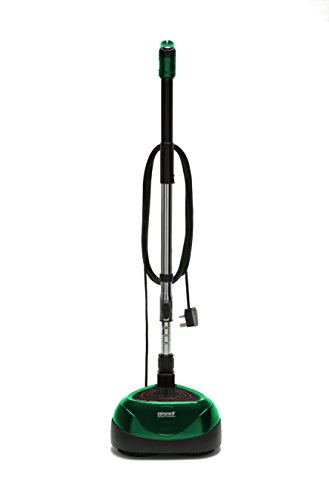
Bissell Commercial BigGreen BGFS650 Hercules Scrub and Clean Floor Machine, Green
Brush Speed (Rpm): 2200 Rpm
As an affiliate, we earn on qualifying purchases.

Battery Powered Walk Behind Mini Automatic Floor Scrubber Machine – Compact & Portable, 15” Cleaning Width, 90-Minute Runtime, 170 RPM – Ideal for Small Commercial Spaces, Offices, Retail & More
Compact & Efficient Cleaning – Designed for small commercial spaces, this mini automatic floor scrubber features a 15-inch...
As an affiliate, we earn on qualifying purchases.