
TL;DR
Ideal Home recommends six habits for drying laundry indoors in cold or wet weather: remove more water with an extra spin, leave space between clothes, use suitable drying equipment, position the airer for airflow and ventilate the room. The advice is practical guidance, not a guarantee against damp or mould; results depend on the home, load and conditions.
Ideal Home has outlined six habits for drying laundry indoors in cold or wet weather, when outdoor drying may not be practical. The recommendations focus on removing water from clothes, leaving room for airflow and managing indoor moisture—steps that may help limit condensation, though they cannot guarantee that damp or mould will be avoided.

Get cleaning gear delivered free with Prime
- Fast, free delivery on millions of items
- Prime Video, Amazon Music and more included
- Member-only deals all year
The report advises running an extra washing-machine spin cycle before hanging clothes, provided the selected spin speed is suitable for the garments. Removing more water at the start can shorten drying time and reduce the amount released into the room. The article singles out towels, jeans and bedding as heavier items that can retain substantial water.
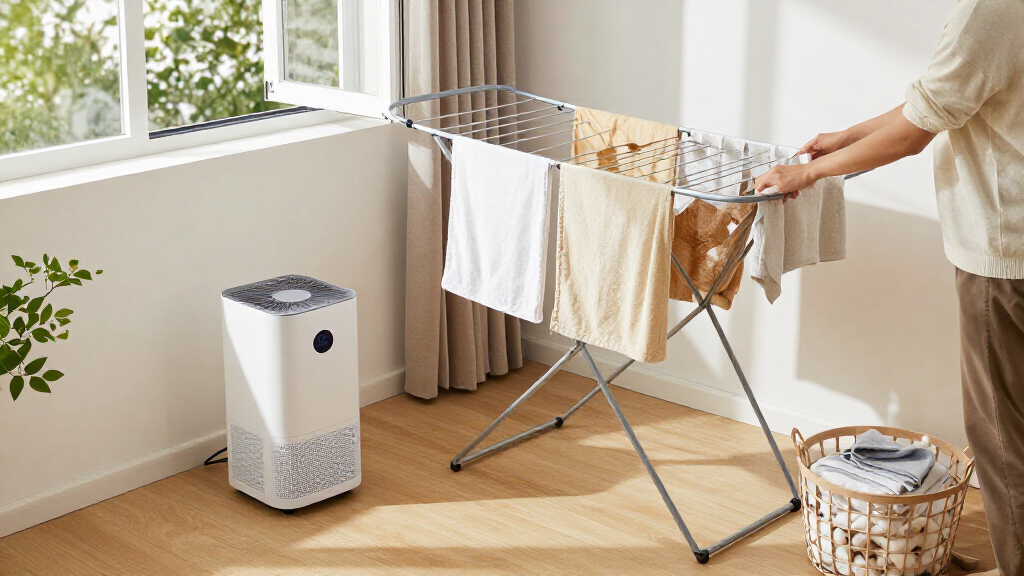
On the airer, leave space between garments rather than packing in a full load. Spread sleeves, open shirts and avoid folding trouser legs over one another. Lauren Roelofs, a laundry expert at Brabantia, says air circulation helps clothes dry more evenly. She also recommends turning heavier pieces partway through drying to reduce the chance of damp patches.
The remaining tips are to consider a heated clothes airer, pair the drying area with a dehumidifier, place the airer where air can move around it, and ventilate the room. Lakeland buying lead Catrin Parry says a dehumidifier can remove excess moisture from the air, while a cover for a heated airer may help retain warmth and reduce drying time. The source says the time saved depends on the load and conditions.
Reducing Laundry Moisture at Home
Wet clothes release water into indoor air as they dry. In a poorly ventilated room, that moisture can contribute to condensation; repeated moisture problems may also create conditions associated with damp and mould. The recommendations address both sides of the process: getting clothes to dry efficiently and managing the moisture in the room.
The advice may be useful for households without outdoor drying space or a tumble dryer, and for people limiting appliance use because of running costs. But buying a heated airer or dehumidifier is not the only option in the report: a higher suitable spin, less crowded rack and better ventilation are simple changes. The article does not provide comparative test data showing how much each measure reduces humidity or mould risk.
Products Worth Considering
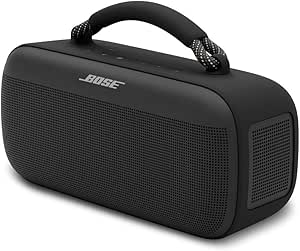
Bose SoundLink Max Portable Bluetooth Speaker, IP67 Waterproof and Dustproof, Up to 20 Hours of Battery Life, Black

Roborock F25 GT Neo Wet/Dry Vacuum Mop, Cordless Vacuum Cleaner, 180° Flat

eufy Security eufyCam C35 4-Camera Wireless Indoor/Outdoor Kit
As an affiliate, we earn on qualifying purchases.
Indoor Drying in Wet Weather
The Ideal Home report frames its advice around cold and wet days, when line-drying outside is less convenient and indoor airers may see heavier use. It notes that moisture from wet washing has to go somewhere, making ventilation and moisture removal relevant to households drying clothes inside.
The article includes recommendations from representatives of Brabantia and Lakeland, as well as product examples. Those examples are not independent evidence that a particular product is necessary. The practical guidance is broader: avoid crowding, allow airflow around clothes and the airer, and use ventilation or moisture-removal equipment where appropriate.
“One of the simplest ways to speed things up is to avoid overcrowding your drying rack. Leaving space between garments allows air to circulate, helping clothes dry more evenly.”
— Lauren Roelofs, laundry expert at Brabantia
How Much Moisture Can Be Prevented?
The report does not quantify how much an extra spin, heated airer, dehumidifier or ventilation will reduce indoor humidity, drying time or mould risk. Its product descriptions and performance comments are not accompanied by test methods or results in the supplied material. A cover is said to reduce drying time by a couple of hours in some circumstances, but the article qualifies this as depending on the load and conditions.
It is also not clear what ventilation is appropriate for every home or weather condition, or whether these steps alone would resolve an existing damp problem. Indoor humidity, room airflow, building condition and the amount of laundry being dried can all affect outcomes. The advice should not be read as a substitute for investigating persistent damp or mould.
Putting the Six Tips Into Practice
For a typical indoor load, the report’s advice is to begin with a suitable extra spin, then hang clothes with gaps and spread out the fabric. Keep the airer slightly away from walls, turn heavy items during drying and ventilate the room where practical. A heated airer and dehumidifier are optional equipment choices rather than requirements.
Households can monitor whether clothes dry more quickly and whether condensation is reduced, while recognizing that results will vary. The source provides no scheduled follow-up or new policy announcement; it is a service report offering household guidance for indoor laundry drying.
Key Questions
What are the six recommended habits for drying laundry indoors?
The report recommends an extra spin cycle, spacing clothes on the airer, considering a heated airer, using a dehumidifier, positioning the airer for airflow and ventilating the room.
Why leave gaps between clothes on an airer?
Brabantia expert Lauren Roelofs says air circulation helps clothes dry more evenly. Spreading sleeves and avoiding overlapping fabric can also reduce damp patches, especially on heavier items.
Does a heated clothes airer remove moisture from the room?
Not by itself, according to the report. A heated airer helps dry clothes, while a dehumidifier removes excess moisture from the air.
Will these steps prevent mould?
The article presents them as ways to limit moisture and condensation, not as a guarantee against mould. The effect depends on the home, ventilation, laundry load and other conditions.
Source: idealhome.co.uk