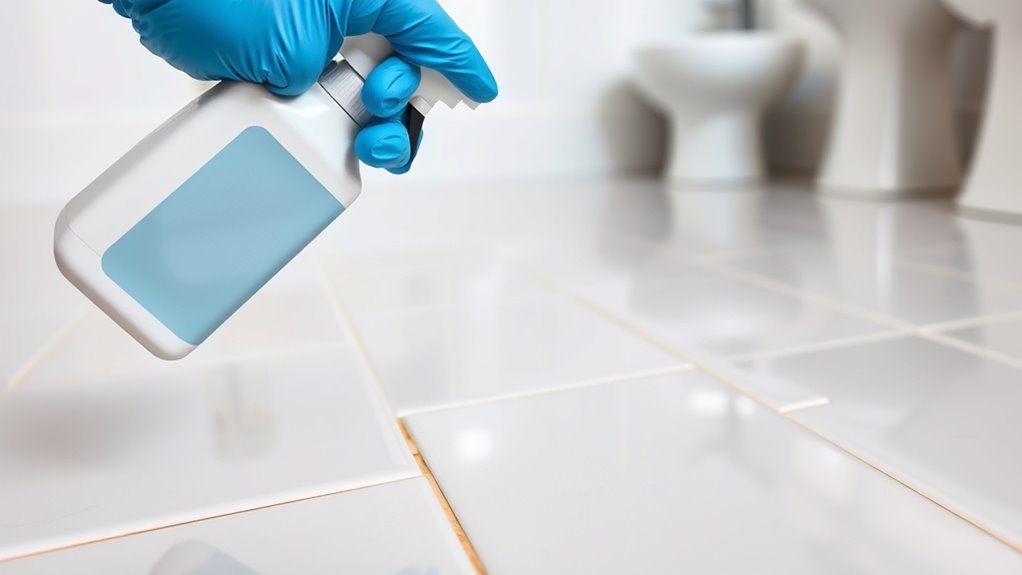

To disinfect grout lines safely, use EPA-registered disinfectants formulated for tile and grout, following the manufacturer’s instructions. Avoid harsh chemicals like bleach or ammonia, which can weaken and discolor grout over time. Instead, opt for gentler options such as diluted vinegar or commercial disinfectants designed for porous surfaces. Always scrub with soft tools and thoroughly dry afterward to prevent mold growth. By understanding the right products and techniques, you’ll keep your grout clean and healthy—more tips await you.

Get cleaning gear delivered free — and shop member deals
- Fast, free delivery on millions of items
- Access to Prime Big Deal Days deals on October 6–7
- Prime Video, Amazon Music and more included
Key Takeaways
- Use EPA-registered disinfectants formulated for tile and grout, following manufacturer instructions for safe application.
- Avoid harsh chemicals like bleach or ammonia, which can weaken grout and cause discoloration.
- Opt for gentle cleaning tools such as soft brushes or microfiber cloths to prevent surface damage.
- Thoroughly dry grout after disinfecting to prevent moisture buildup and mold growth.
- Seal grout after cleaning to enhance resistance against stains, mold, and future disinfecting efforts.
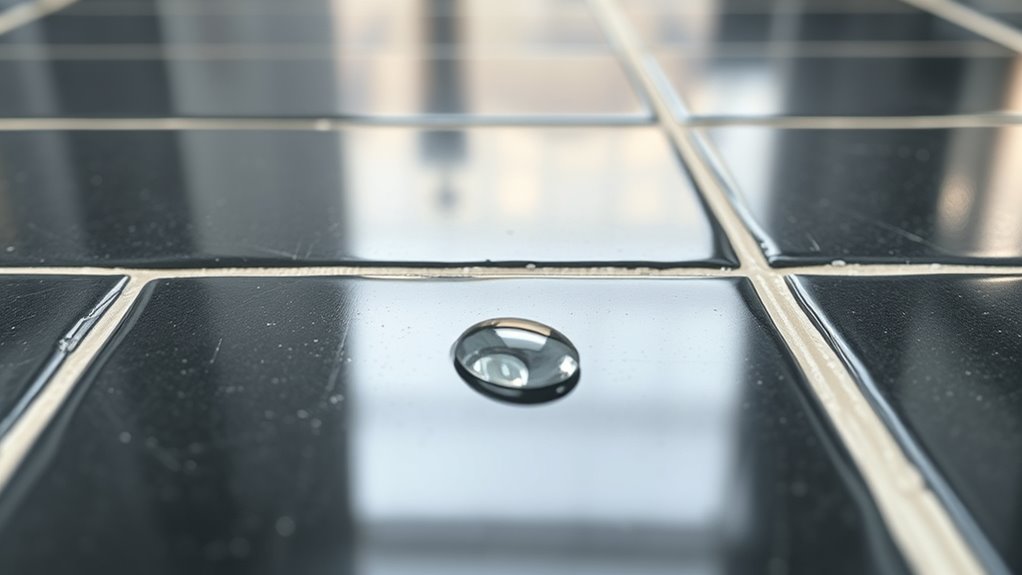
Have you ever wondered how to effectively disinfect grout lines to keep your tiles clean and hygienic? The key is not just about cleaning but also preventing mold growth and maintaining the integrity of your grout. Mold prevention starts with proper cleaning routines and, importantly, sealing grout after cleaning. Sealing grout creates a protective barrier that repels moisture, reducing the chances of mold spores settling and growing in the tiny crevices. This simple step can save you time and effort in the long run by making future cleaning easier and more effective.
Sealing grout prevents mold and makes future cleaning easier.
When it comes to disinfecting grout lines, the products you choose matter deeply. Harsh chemicals like bleach or ammonia can effectively kill germs, but they also pose risks. Bleach, for example, can weaken grout over time, cause discoloration, and release strong fumes that irritate your respiratory system. Instead, look for safer, EPA-registered disinfectants specifically formulated for tile and grout. These options are just as effective against bacteria and mold but are gentler on your surfaces and your health. Always follow the manufacturer’s instructions for dilution and contact time to guarantee proper disinfection.
Avoid using abrasive tools or scrubbers that can damage the grout surface. While it might be tempting to scrub aggressively to remove stains and mold, harsh scrubbing can erode grout lines, making them more porous and vulnerable to mold buildup. Instead, use soft brushes or microfiber cloths combined with your chosen disinfectant. Regular cleaning prevents mold spores from settling and multiplying, ultimately reducing the need for heavy scrubbing.
It’s also essential to dry the grout thoroughly after disinfecting. Moisture is a major contributor to mold growth, so wipe down your tiles and grout lines with a clean, dry cloth. This extra step helps eliminate residual dampness, further discouraging mold development. Incorporating sealing grout into your cleaning routine creates a long-term defense. Once your grout is clean and dry, applying a quality grout sealer helps keep moisture out, making future disinfecting easier and more effective. Sealed grout resists stains and mold, saving you from frequent deep cleanings.
EPA-registered grout disinfectant
As an affiliate, we earn on qualifying purchases.
As an affiliate, we earn on qualifying purchases.
Frequently Asked Questions
Can I Use Bleach on Colored Grout Lines?
You shouldn’t use bleach on colored grout lines because it can cause discoloration. Instead, opt for color-safe cleaning products that are gentle yet effective. For stain removal, try natural techniques like baking soda paste or vinegar solutions, but always test a small area first. These stain removal techniques help keep your grout looking fresh without risking damage or color fading, ensuring your grout stays vibrant and clean.
How Often Should I Disinfect Grout Lines?
You should disinfect grout lines at least once a month to prevent mold and maintain cleanliness. Regular disinfection helps protect the grout from mold buildup, which can cause damage and odors. After disinfecting, consider applying grout sealing to create a barrier against moisture and stains. Consistent cleaning and sealing keep your grout looking fresh, prevent mold growth, and extend the lifespan of your tiled surfaces.
Are Homemade Disinfectants Effective for Grout Cleaning?
Homemade disinfectants can be surprisingly effective for grout cleaning if you use the right DIY ingredients. Think of them as tiny superheroes fighting off germs and grime, transforming your grout from a battlefield of dirt to a sparkling clean zone. Baking soda, vinegar, and tea tree oil create a powerful combo that can tackle stains and bacteria. While they might not be as strong as commercial cleaners, they’re fantastic for regular maintenance and eco-friendly cleaning.
Is Steam Cleaning Safe for All Grout Types?
Steam cleaning is generally safe for most grout types, but you should verify the grout type compatibility first. Steam cleaning safety depends on the grout’s porosity and sealant; porous or unsealed grout might be damaged by high heat or moisture. For best results, test a small area first, and avoid using excessive steam pressure. Always follow manufacturer instructions to prevent damage and ensure effective cleaning.
What Are Signs of Grout Damage From Disinfectants?
You’ll notice grout damage when mold growth appears despite disinfecting, or the color fades unexpectedly. Ironically, your efforts to keep it clean can weaken the grout, making it susceptible to cracking or crumbling. Disinfectants containing harsh chemicals may also cause discoloration or deterioration of the grout surface. Keep an eye out for these signs, and consider gentler methods to protect your grout’s integrity and appearance.
Conclusion
Now that you know what to use—and what to avoid—you’re ready to disinfect your grout lines safely. But remember, the products you choose can make all the difference, not just for cleanliness but for the long-term health of your space. Are you prepared to make the right decision? The true impact of your choice might surprise you. Stay vigilant, because sometimes what’s unseen can have the biggest effect in ways you never expected.
Fall Picks
fall essentials
As an affiliate, we earn on qualifying purchases.