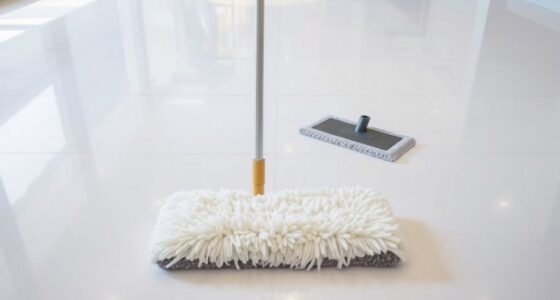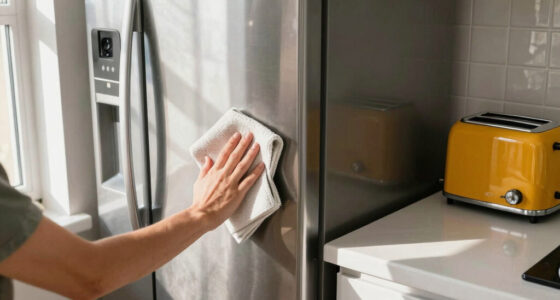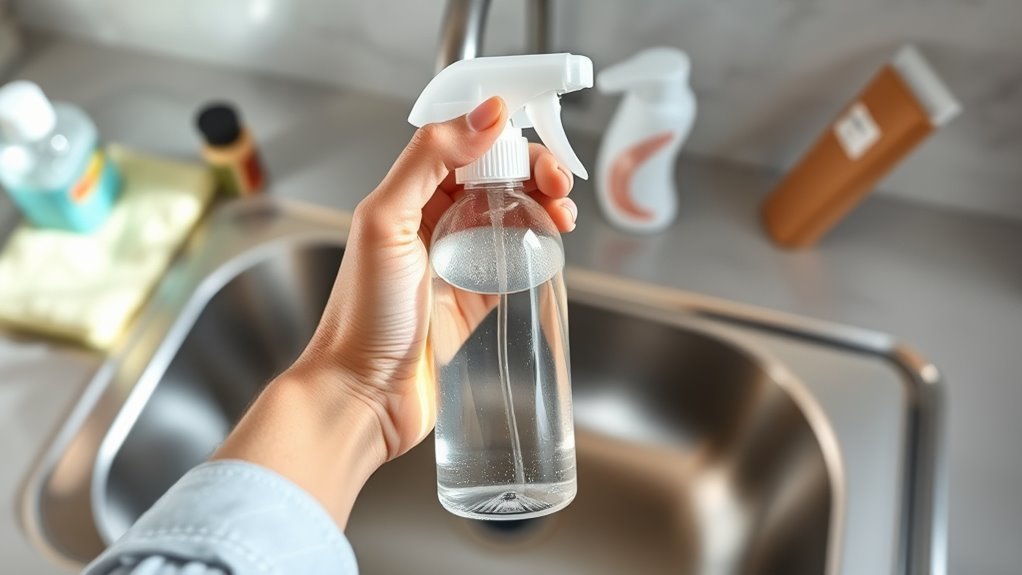

To switch from detergent to plain water cleaning, start by evaluating which tasks can be done with water alone, like wiping or rinsing. Gradually replace chemical methods with water-based alternatives, using pre-treatments or natural rinses for tough grime. Focus on routine maintenance without chemicals to reduce costs and environmental impact. As you refine your processes, you’ll discover simple ways to keep your space clean and eco-friendly—continue exploring for more tips.

Get cleaning gear delivered free with Prime
- Fast, free delivery on millions of items
- Prime Video, Amazon Music and more included
- Member-only deals all year
Key Takeaways
- Assess cleaning tasks to identify surfaces suitable for water-only cleaning methods.
- Gradually replace chemical cleaners with water-based techniques during routine maintenance.
- Pre-treat stubborn grime with natural or biodegradable agents before using water alone.
- Train staff on water-only cleaning procedures and benefits to ensure proper implementation.
- Monitor results and adjust processes to optimize effectiveness and reinforce eco-friendly practices.
Switching from detergent to plain water cleaning can be a simple, effective way to reduce chemical use and save money. By making this change, you embrace eco-friendly benefits that align with sustainable practices. Using plain water instead of harsh chemicals minimizes environmental impact, helping to preserve water quality and reduce pollution. This approach also lessens your reliance on manufactured cleaning agents, which often contain harmful ingredients that can affect ecosystems and human health. As a business, adopting water-based cleaning methods demonstrates your commitment to environmental responsibility, appealing to eco-conscious clients and partners.
Switching to plain water cleaning reduces chemicals, saves money, and supports eco-friendly, sustainable practices.
Cost reduction is another significant advantage of shifting away from detergents. Commercial cleaning supplies can be expensive, especially over time as the volume used increases. Plain water, on the other hand, is a cost-effective alternative that can lower your expenses substantially. You won’t need to constantly stock up on various cleaning chemicals, which often come with high markup prices. Additionally, by reducing chemical dependency, you may face fewer issues related to equipment wear and tear caused by aggressive cleaning agents. This can extend the lifespan of your cleaning tools and machinery, resulting in savings on maintenance and replacements.
Implementing plain water cleaning doesn’t require a complete overhaul of your current routine. Start by evaluating your cleaning tasks to identify where water alone can do the job effectively. For example, basic surface wiping, sweeping, and rinsing can often be accomplished with plain water, especially for routine maintenance. For tougher grime, consider pre-treating surfaces with natural or biodegradable agents that are less harmful and still environmentally friendly. Over time, you may find that many cleaning tasks can be handled without chemicals, reinforcing your commitment to sustainability and reducing costs. Incorporating organic and natural juices as part of your eco-friendly practices can also help promote a healthier environment.
You also benefit from simplified cleaning procedures, reducing the need for handling and disposing of chemical substances. This not only cuts costs related to storage and disposal but also minimizes health risks for staff. Plain water is safer to use, eliminating the need for protective gear or special training. This simplicity translates into less downtime and increased efficiency in your cleaning routines, further contributing to cost savings.
eco-friendly water-based cleaning spray
As an affiliate, we earn on qualifying purchases.
As an affiliate, we earn on qualifying purchases.
Frequently Asked Questions
Will Cleaning Quality Decline Without Detergents?
You might worry that cleaning quality will decline without detergents, but it doesn’t have to. Using plain water can still be effective if you focus on proper techniques, reducing detergent residue and minimizing environmental impact. Your cleaning can remain thorough, and you’ll help protect the environment by avoiding chemical residues. With the right approach, switching to water-only cleaning can maintain quality while benefiting the planet.
How Do I Remove Stubborn Stains With Water Only?
To remove stubborn stains with water only, focus on water efficacy for stain removal. Use hot water if possible, as it helps loosen dirt and grime. Apply steady pressure and rinse the area thoroughly. For tough stains, try scrubbing gently with a brush or cloth. Remember, water alone can be effective for many stains, but persistence and proper technique make all the difference in achieving good cleaning results.
Are Certain Surfaces Unsuitable for Water-Only Cleaning?
Certain surfaces aren’t suitable for water-only cleaning due to surface compatibility and cleaning limitations. You should avoid using water on delicate materials like unsealed wood, porous stone, or painted surfaces, as it can cause damage or stains. For surfaces prone to water damage, opt for specialized cleaning methods. Always test a small, hidden area first to ensure water won’t harm the surface, and consider alternative cleaning options when necessary.
How Often Should I Switch to Water-Based Cleaning?
You should switch to water-based cleaning regularly to enjoy environmental benefits and cost savings. How often depends on your cleaning needs, but consider doing it weekly or whenever you notice detergent buildup or residue. This practice reduces chemical use, lowering environmental impact, and cuts expenses on cleaning supplies. Staying consistent guarantees surfaces stay clean and sustainable, making your cleaning routine more effective and eco-friendly over time.
What Equipment Is Needed for Water-Only Cleaning?
Imagine gliding a smooth, water-washed surface, clarity shimmering under your touch. For water-only cleaning, you need equipment essentials like a microfiber cloth, a high-quality water filtration system, and a spray bottle for targeted application. A good water filter guarantees purity, preventing dirt and minerals from marring surfaces. Your toolkit should prioritize these essentials, making your cleaning efficient, eco-friendly, and streak-free, revealing surfaces as pristine as a clear mountain stream.
Conclusion
Switching to plain water cleaning might feel like taking a leap of faith, but it’s worth it. I once watched a friend transform her entire shop’s reputation by simply ditching harsh chemicals for water, and her customers noticed the difference instantly. Just like a clear stream, your space can shine naturally—clean, pure, and inviting. Trust the process; sometimes, the simplest change makes the biggest splash. Your clean future starts with this small, powerful step.
Halloween Picks
halloween
As an affiliate, we earn on qualifying purchases.