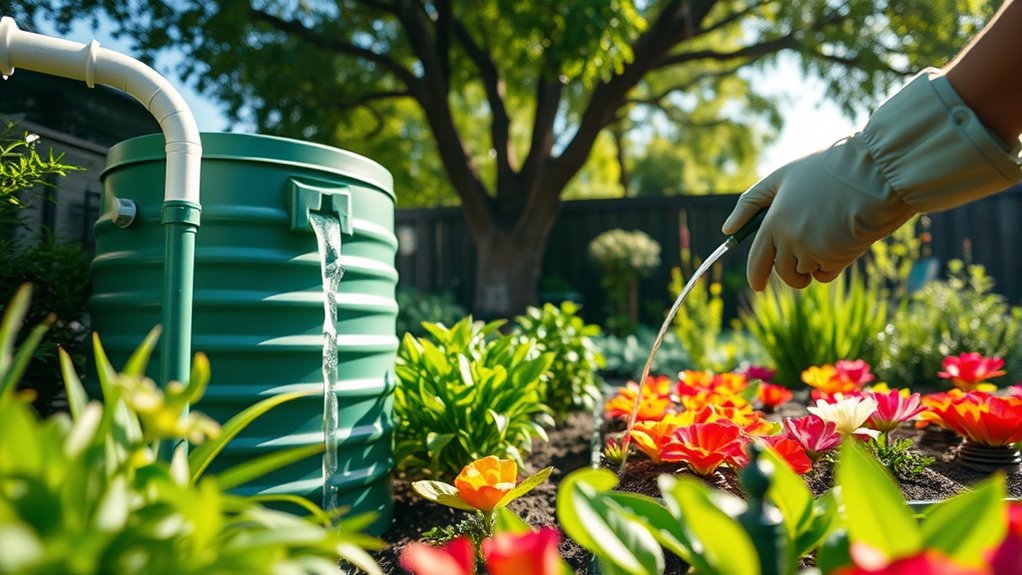

To reduce water and chemical use, fix leaks quickly and install low-flow fixtures to save water. Opt for eco-friendly, biodegradable cleaning products and use plant-based ingredients to minimize chemical impact. Implement rainwater harvesting and drip irrigation to conserve outdoor resources. Use microfiber cloths instead of disposable wipes, and choose products with eco labels. Small, consistent changes can make a big difference—keep exploring for more simple ways to protect our environment.
Key Takeaways
- Fix leaks promptly and install low-flow fixtures to reduce water consumption.
- Use biodegradable, plant-based cleaning products to minimize chemical impact.
- Adopt water-efficient appliances and drip irrigation for outdoor areas.
- Use microfiber cloths and eco-friendly products to cut down on water and chemical use.
- Support community initiatives promoting water conservation and eco-responsible practices.
Reducing water and chemical usage is essential for promoting sustainability and protecting the environment. When you prioritize water conservation, you’re not just saving a precious resource—you’re also reducing the energy required to pump, heat, and treat water. Simple changes in your daily routine can make a big difference. For example, fixing leaks promptly prevents water from going to waste, while installing low-flow fixtures can cut your water use considerably. Collecting rainwater for outdoor watering is another effective way to conserve water. These efforts not only help preserve local water supplies but also reduce your utility bills.
Prioritize water conservation to save resources, cut costs, and protect the environment.
In addition to conserving water, switching to eco friendly chemicals can drastically lessen your environmental impact. Many traditional cleaning agents contain harmful substances that pollute waterways and harm wildlife. By opting for eco friendly chemicals, you minimize the release of toxic compounds into the environment. Look for cleaning products labeled as biodegradable or certified by environmental organizations. These products typically use plant-based ingredients that break down more easily and have a lower toxicity profile. When you choose eco friendly chemicals, you support a cleaner ecosystem and reduce your household’s chemical footprint.
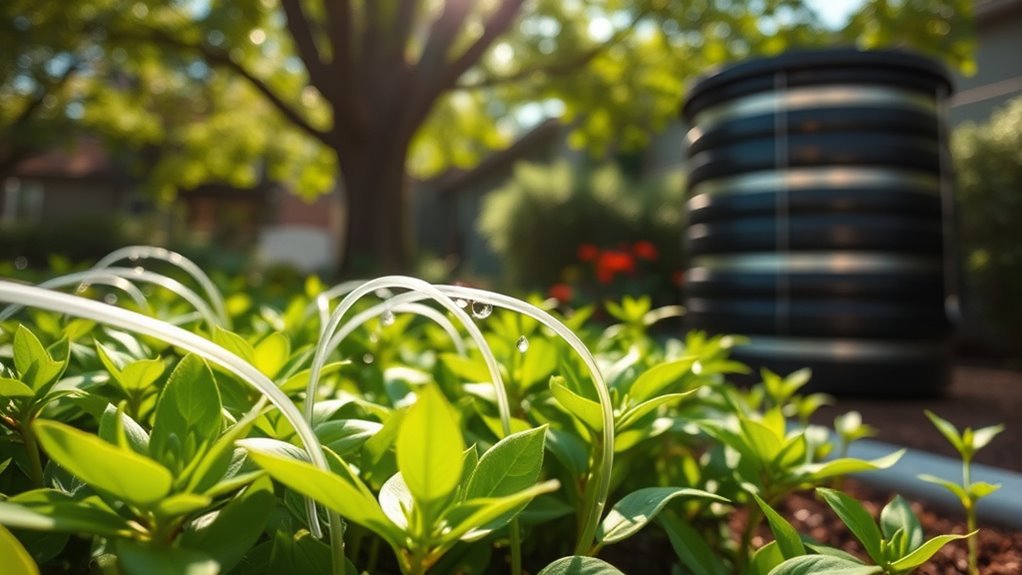
Implementing water-saving techniques and eco friendly chemicals often goes hand in hand. For instance, when you use environmentally friendly cleaning products, you can often dilute them more effectively, reducing the amount needed for each cleaning session. Using microfiber cloths instead of disposable wipes also helps you use fewer chemicals and less water overall. In your garden, adopting drip irrigation systems can deliver water directly to plant roots, reducing waste and evaporation. Additionally, choosing products with HEPA filters can improve indoor air quality, further supporting a healthy environment. Combining these practices not only conserves water but also ensures that the chemicals used are less harmful to the environment.
You don’t have to overhaul your entire routine overnight; small, consistent changes add up over time. Educate yourself about water-saving devices and eco friendly products available in the market. When shopping, look for labels that indicate eco responsibility and water efficiency. You can also advocate for sustainable practices at work or within your community, encouraging the adoption of water conservation measures and the use of environmentally friendly cleaning solutions. Every step you take toward reducing water and chemical usage contributes to a healthier planet, ensuring resources are available for future generations.

HOPOPRO 5-Mode High Pressure Shower Head – The Washington Post, NBC News, Today TV Show Recommended – High Flow Fixed Showerheads (4 Inch Chrome)
High Pressure Shower Head with 5 Different Shower Modes: HOPOPRO keeps upgrading showerheads to be more water-saving without…
As an affiliate, we earn on qualifying purchases.
As an affiliate, we earn on qualifying purchases.
Frequently Asked Questions
How Do I Monitor My Water and Chemical Consumption Effectively?
You can monitor your water usage and chemical monitoring by installing smart meters and automated sensors that track real-time data. Regularly review your consumption reports to identify trends and inefficiencies. Keep detailed logs of chemical usage to spot waste or overuse. Using these tools, you stay informed, allowing you to make adjustments that optimize resource efficiency and reduce unnecessary consumption, ultimately saving money and promoting sustainability.
Are There Eco-Friendly Alternatives to Traditional Cleaning Chemicals?
Yes, you can switch to natural cleaning options like plant-based solutions that are eco-friendly. These alternatives use ingredients like vinegar, baking soda, and citrus, which effectively clean without harsh chemicals. By choosing natural cleaning, you reduce chemical runoff and water usage, making your routine safer for the environment. Plus, plant-based solutions often cost less and are gentler on your skin, making them a smart, sustainable choice.
What Incentives or Rebates Are Available for Water-Saving Devices?
You might be surprised to learn that many utility rebates and recycling programs offer incentives for installing water-saving devices. These programs often provide rebates that help offset costs, encouraging eco-friendly choices. Check with your local utility providers and government websites to discover current incentives. By participating, you not only save water but also reduce your bills, making it a smart move for your wallet and the environment.
How Can I Train Staff to Minimize Water and Chemical Waste?
You can train staff to minimize water and chemical waste by engaging them through staff training sessions focused on best practices. Conduct regular waste audits to identify areas for improvement and provide feedback. Encourage staff participation in setting waste reduction goals and recognize their efforts. By fostering staff engagement and continuously monitoring waste, you’ll create a culture of conservation, leading to significant reductions in water and chemical use.
What Are the Best Practices for Measuring the Impact of Water Reduction Efforts?
Actions speak louder than words, so start by conducting regular water audits to gather accurate data. Use impact metrics like water savings, chemical reduction, and cost efficiency to track progress. Comparing audit results over time helps you see tangible improvements. By consistently measuring these metrics, you can clearly assess the effectiveness of your water reduction efforts and make informed decisions to optimize your sustainability strategy.

Isshah Plant-Based Kitchen Sponges – FSC Certified and PETA Approved, Natural, Eco-Friendly, Biodegradable Sisal Hemp Sponges for Dishes, Cleaning Sponge for Kitchen, Bathroom, Household – 12 Count
Natural and Eco-Friendly – Our Kitchen Sponges are made from wood cellulose and the other side made from…
As an affiliate, we earn on qualifying purchases.
As an affiliate, we earn on qualifying purchases.
Conclusion
By taking these simple steps, you can substantially cut back on water and chemical use, helping the environment and your wallet. Imagine a world where every drop counts and chemicals no longer harm our planet—doesn’t that make you want to act now? Small changes in your daily routine can make a big difference. So, why not start today and be part of the solution? Together, we can create a cleaner, greener future for everyone.

MIXC 230FT Quick-Connect Drip Irrigation System Kit, Automatic Garden Watering System with 1/4" & 1/2" Fast-Lock Tubing – Adjustable Nozzles & Sprinklers for Garden, Greenhouse, Lawn, Potted Plants
✔Comprehensive Drip Irrigation Kit:MIXC drip irrigation system, equipped with a versatile range of components, caters to all your…
As an affiliate, we earn on qualifying purchases.
As an affiliate, we earn on qualifying purchases.

USANOOKS Microfiber Cleaning Cloth Grey – 12 Pcs (12.5"x12.5") – High Performance – 1200 Washes, Ultra Absorbent Microfiber Towel Weave Grime & Liquid for Streak-Free Mirror Shine – Car Washing Cloth
10x GRIP-ROOT WEAVE – TRAP MORE, WORK LESS: Ultra-absorbent microfiber towels for car Grip Root weave works like…
As an affiliate, we earn on qualifying purchases.
As an affiliate, we earn on qualifying purchases.