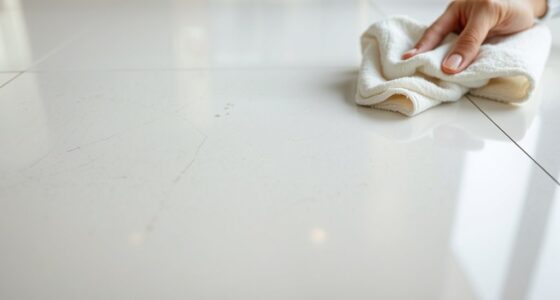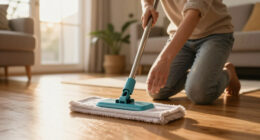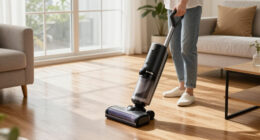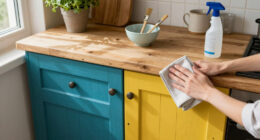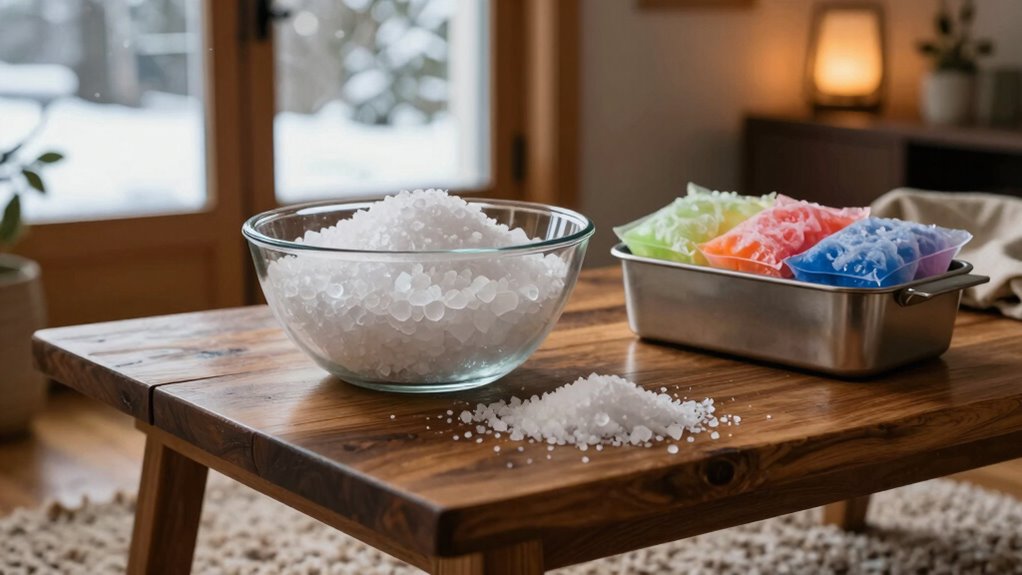

To plan for seasonal salt and slush indoors, start by installing durable, non-slip mats outside and absorbent rugs inside to trap moisture and debris. Regularly shake out and clean these mats to keep them effective. Seal floors and use water-resistant materials in high-moisture areas. Maintain your heating system and improve insulation to prevent condensation. Stick to routine cleaning and eco-friendly practices to protect your floors and create a healthier environment. Continue with these tips to learn more about safeguarding your home this winter.

Get cleaning gear delivered free — and shop member deals
- Fast, free delivery on millions of items
- Access to Prime Big Deal Days deals on October 6–7
- Prime Video, Amazon Music and more included
Key Takeaways
- Install durable, non-slip mats outside and absorbent rugs inside to trap salt and slush effectively.
- Regularly clean and shake out mats to prevent salt buildup and maintain their effectiveness.
- Seal and protect flooring with appropriate coatings to prevent salt and moisture damage.
- Maintain the HVAC system and ensure proper indoor heating to reduce condensation and moisture issues.
- Establish routine cleaning schedules to promptly remove salt, slush, and dirt before they cause stains or odors.
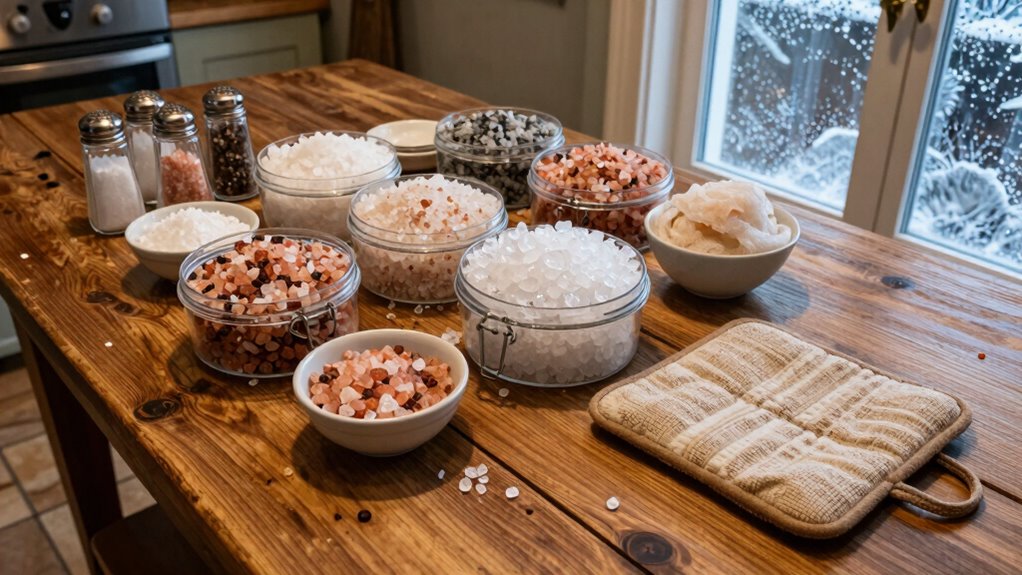
As winter approaches, preparing your home for seasonal salt and slush is essential to prevent damage and maintain safety. The cold months bring challenging winter weather, which means you’ll need to think about how salt, slush, and moisture can affect your indoor environment. Proper indoor maintenance now can save you from costly repairs later and keep your home safe and comfortable throughout the season.
Start by inspecting your entryways. These are the primary points where snow, salt, and slush enter your home. Install durable, non-slip mats outside to trap debris and moisture before it gets inside. Inside, add absorbent rugs or floor mats that can handle wetness. Regularly shaking out and washing these mats ensures they continue to do their job effectively. This simple step reduces the risk of water seeping into your flooring and causing damage or mold growth. Using appropriate cleaning techniques can further extend the longevity of your mats and flooring.
Inspect entryways with non-slip mats and absorbent rugs to prevent water damage and mold during winter.
Next, focus on your flooring. Salt and moisture from slush can stain or damage certain surfaces like hardwood or carpet. Consider sealing or applying protective coatings to vulnerable floors before winter hits. For areas prone to heavy moisture, such as mudrooms or entryways, use water-resistant flooring options like tile or vinyl. These materials are easier to clean and less likely to warp or stain from salt and moisture. Additionally, choosing water-resistant flooring options can make cleanup easier and prolong your floors’ lifespan. Implementing proper drainage solutions inside your home can also help manage excess moisture and prevent water buildup. Proper indoor water management is crucial to prevent long-term damage and maintain a healthy indoor climate.
Indoor maintenance also involves managing your heating system. Ensure your HVAC system is well-maintained, with filters replaced and ducts cleaned. Proper heating prevents condensation, which can be exacerbated by the increased moisture from slush. A dry, warm indoor environment minimizes the risk of mold and mildew, which thrive in damp conditions caused by winter weather. Regularly inspecting and servicing your heating system can also improve energy efficiency and cost savings.
Additionally, check your home’s insulation and weather stripping around doors and windows. Good insulation keeps indoor temperatures steady, reducing condensation and the spread of moisture from snow and slush that might be tracked inside. Seal any gaps to prevent cold air from infiltrating, which can cause windows to fog up and increase indoor humidity. Proper sealing and insulation are vital in maintaining a healthy indoor environment during colder months. Incorporating energy-efficient solutions can further enhance your home’s ability to stay warm and dry.
Furthermore, understanding the importance of biodiversity and how it relates to sustainable living can inspire you to use eco-friendly materials and practices in your home maintenance routines. Finally, plan for regular cleaning routines during winter. Sweeping or vacuuming floors, especially entryways, helps remove salt and dirt before they settle and cause damage. Wiping down surfaces and cleaning up spills immediately prevents staining and lingering odors. By maintaining a consistent indoor cleaning schedule, you keep your home safe from the adverse effects of winter weather and ensure that your indoor environment remains healthy and inviting despite the challenges posed by salt and slush.
As an affiliate, we earn on qualifying purchases.
Frequently Asked Questions
What Are the Best Indoor Mats for Salt and Slush?
The best indoor mats for salt and slush management are those with durable, water-resistant surfaces like rubber or heavy-duty polypropylene. These mats trap salt residue and slush effectively, preventing messes from spreading. Look for mats with deep grooves or textured patterns to enhance grip and slush collection. Regularly shake out or clean them to maintain their effectiveness. This way, you keep your floors cleaner and prevent damage caused by winter residues.
How Often Should Indoor Flooring Be Cleaned During Winter?
During winter, you should clean your indoor flooring at least twice a week to prevent salt and slush buildup. An average person tracks in about 5 pounds of dirt and salt each winter, which can damage surfaces if left unchecked. Regular winter cleaning and flooring maintenance keep your home safe and clean, preventing slips and preserving your floors’ appearance. Staying consistent guarantees your space stays fresh despite harsh outdoor conditions.
Are There Eco-Friendly Options for Melting Ice Indoors?
Yes, there are eco-friendly options for melting ice indoors. You can use eco-friendly de-icers or sustainable ice melt products that are safer for the environment and indoor air quality. Look for products made from natural ingredients like calcium magnesium acetate or potassium chloride, which effectively melt ice without harmful chemicals. These options help you stay eco-conscious while maintaining safe, clear indoor spaces during winter.
How Can I Prevent Salt Damage to Indoor Surfaces?
Think of salt residue as a silent invader slowly damaging your surfaces. To prevent this, you should use mats or rugs at entry points to catch excess salt and slush. Apply a protective sealant on floors vulnerable to salt damage, and clean spills immediately with gentle cleaners. Regularly inspect for salt residue, and avoid using harsh chemicals that could harm your indoor surfaces, ensuring they stay pristine and protected.
What Are the Safety Tips for Handling Salt Indoors?
When handling salt indoors, always wear gloves and a mask to avoid inhaling dust or skin irritation. Store salt in a sealed container away from moisture, and keep it in a dedicated salt storage area. Make certain good indoor ventilation to prevent salt dust from accumulating and affecting air quality. Clean up spills promptly to avoid slipping hazards and surface damage. These safety tips help you manage salt safely during winter months.
Conclusion
By planning ahead for seasonal salt and slush indoors, you’re not just protecting your home—you’re defending it against an unstoppable invasion of grime and damage. Imagine your floors remaining pristine and your walls untouched by the chaos of winter’s worst. With just a little preparation, you’ll turn your home into a fortress of cleanliness, immune to even the most relentless slush storms. Get ready to conquer winter’s mess and keep your sanctuary spotless all season long!
Fall Picks
fall essentials
As an affiliate, we earn on qualifying purchases.