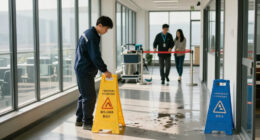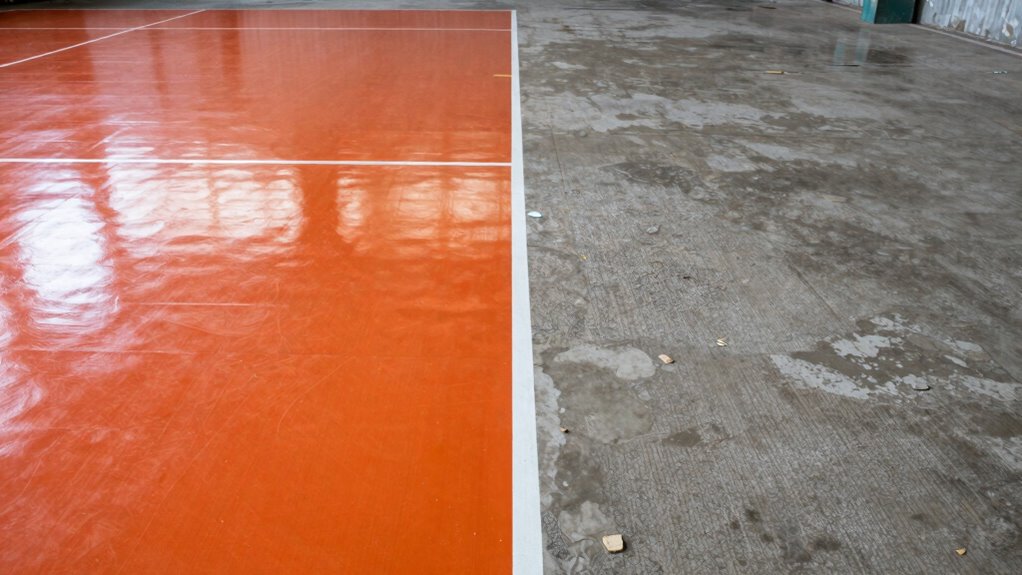

When cleaning sports floors, you need gentle techniques and softer tools to protect the surface’s integrity, focusing on traction, safety, and hygiene. In contrast, warehouse floor care involves heavy-duty equipment like ride-on scrubbers and high-pressure washers to tackle industrial grime and stains quickly. Your approach varies based on surface sensitivity and cleaning scale. If you keep exploring, you’ll discover more about how these methods guarantee safety and longevity in each environment.

Get cleaning gear delivered free with Prime
- Fast, free delivery on millions of items
- Prime Video, Amazon Music and more included
- Member-only deals all year
Key Takeaways
- Sports floor cleaning emphasizes gentle, non-abrasive methods to preserve surface integrity and safety features.
- Warehouse floor care involves heavy-duty equipment designed for large areas and industrial stain removal.
- Disinfectants for sports floors are chosen for safety and material compatibility, unlike industrial chemicals used in warehouses.
- Athletic surfaces prioritize hygiene and performance preservation, while warehouse floors focus on durability and debris removal.
- Equipment selection differs: microfiber mops for sports, ride-on scrubbers and pressure washers for warehouses.
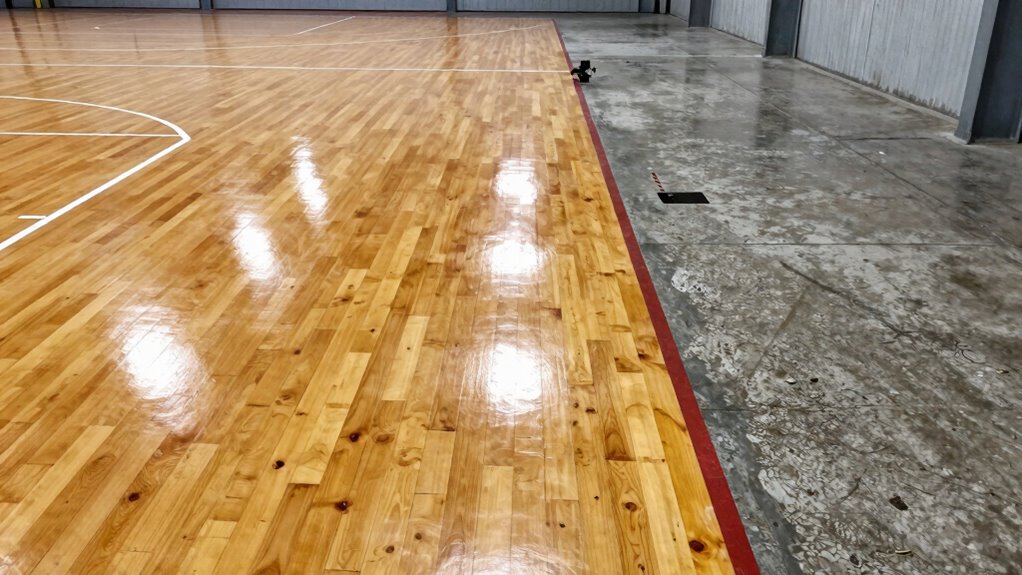
Have you ever wondered why cleaning methods vary so much from one type of floor to another? When it comes to sports floors versus warehouse floors, the differences are significant, especially in how you approach athletic surface maintenance and equipment sanitation. Each environment demands specific care to guarantee safety, performance, and longevity.
Cleaning methods differ greatly between sports and warehouse floors to ensure safety, performance, and durability.
In a sports facility, the focus is on maintaining a surface that provides ideal traction, shock absorption, and safety for athletes. Regular athletic surface maintenance isn’t just about cleanliness; it involves specialized cleaning techniques that preserve the integrity of the flooring material. You need to use equipment designed for delicate surfaces—such as microfiber mops and gentle scrubbers—that remove dirt and debris without damaging the surface. Heavy-duty cleaning tools that work well on concrete or industrial floors could harm sports flooring, so understanding the specific needs of athletic surfaces guides your cleaning approach.
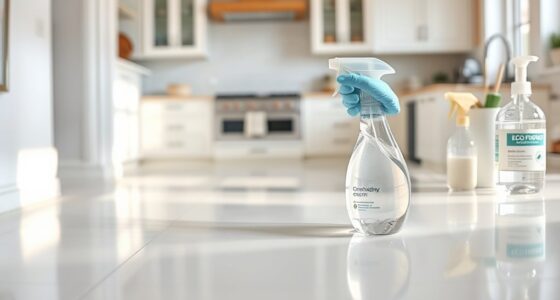
Equipment sanitation is another critical aspect in sports environments. Sports floors often involve equipment like basketball hoops, gym mats, and training gear that come into contact with the flooring. Ensuring these items are properly sanitized helps prevent the spread of bacteria and maintains a hygienic environment for athletes. You’ll want to use disinfectants compatible with the flooring material and follow protocols that do not compromise the surface’s safety features. This might mean avoiding overly harsh chemicals that could degrade the floor over time, unlike in warehouses where cleaning chemicals are often chosen based on their ability to remove industrial grime. Additionally, understanding flooring material properties is essential to select the right cleaning agents without causing damage. Properly understanding the cleaning chemicals suitable for each surface also helps extend the lifespan of the flooring.
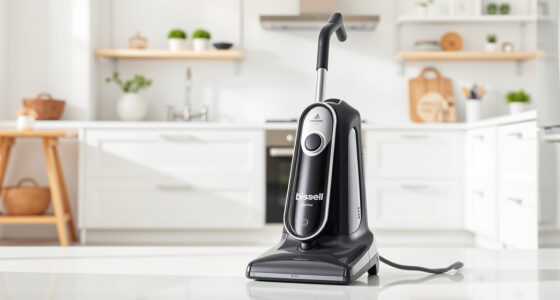
In contrast, warehouse floor care revolves around different priorities. Durability and ease of maintenance take precedence over surface cushioning or traction. You’re likely to use more powerful, industrial-grade cleaning equipment such as ride-on scrubbers, heavy-duty vacuums, and high-pressure washers. These tools handle large areas quickly, removing tough stains, oils, and debris that can accumulate from heavy machinery or product handling. Since warehouse floors are built for durability, you don’t need to worry as much about delicate surfaces, but you still must ensure that floors are kept free of debris to prevent accidents and machinery damage. Proper floor cleaning techniques are vital to maintaining a safe and efficient workspace.
While both environments require cleaning, the key differences lie in the methods and tools used. Athletic surface maintenance emphasizes gentle, precise cleaning to protect the flooring’s performance qualities, alongside equipment sanitation to ensure a hygienic space. Warehouse floor care, on the other hand, prioritizes robust equipment and methods to handle large-scale dirt and grime efficiently. Understanding these distinctions helps you select the right cleaning strategies for each setting, guaranteeing safety, functionality, and longevity for every type of floor.
As an affiliate, we earn on qualifying purchases.
Frequently Asked Questions
What Equipment Is Best for Sports Floor Cleaning?
For sports floor maintenance, you should choose cleaning equipment like a soft-bristle scrubber or a microfiber mop to prevent damage. A low-speed burnisher can help restore shine without harming the surface. Use a lightweight, ride-on floor scrubber for larger areas to improve efficiency. Proper cleaning equipment selection guarantees thorough cleaning, enhances safety, and maintains the integrity of the sports surface, making it ready for gameplay and reducing wear over time.
How Often Should Warehouse Floors Be Maintained?
Warehouse floors warrant weekly to bi-weekly maintenance to maintain their marble-like moisture and minimize messes. Regular warehouse maintenance includes sweeping, scrubbing, and spot cleaning, while floor conditioning boosts durability and brightness. Consistent care prevents permanent damage and preserves performance. By sticking to a schedule, you guarantee your warehouse stays clean, safe, and ready for rigorous routines, making maintenance manageable and minimizing costly repairs over time.
Are Eco-Friendly Cleaning Options Suitable for Sports Floors?
Yes, eco-friendly solutions are suitable for sports flooring. You should choose cleaning products that are specifically formulated for sports surfaces and are environmentally safe. These eco-friendly options effectively clean and maintain the integrity of the sports flooring without harmful chemicals, ensuring safety for players and the environment. Regular use of such solutions keeps your sports floors in top condition while supporting sustainable practices.
How Do Cleaning Routines Impact Sports Floor Safety?
Your cleaning routines directly impact sports flooring safety by preventing slips and maintaining surface integrity. When you prioritize cleaning safety, you reduce hazards like debris, dust, and moisture that can cause injuries. Regularly using appropriate cleaning methods and eco-friendly products guarantees the sports flooring stays safe and durable. This proactive approach protects athletes and prolongs the lifespan of your sports flooring, making it safer and more reliable for every game or practice.
What Are Common Mistakes in Warehouse Floor Care?
You often make mistakes in warehouse floor care by neglecting proper floor sealing, which can reduce slip resistance. Using harsh chemicals or incorrect cleaning equipment can also cause damage, making floors slippery or uneven. Regularly inspecting and maintaining the surface is essential. Proper sealing preserves slip resistance, preventing accidents. Avoid shortcuts, and focus on consistent, careful cleaning to guarantee your warehouse floors stay safe and durable over time.
Conclusion
In the end, understanding how sports floor cleaning differs from warehouse floor care helps you tailor your approach, ensuring each surface gets the attention it needs. Just like a knight wouldn’t wield a sword to paint a portrait, using the wrong cleaning method can do more harm than good. Remember, whether you’re polishing a gymnasium or a storage area, attention to detail and knowing your surface is key—because, as the Bard said, “All the world’s a stage”—and your floors deserve their best performance.
Halloween Picks
halloween
As an affiliate, we earn on qualifying purchases.