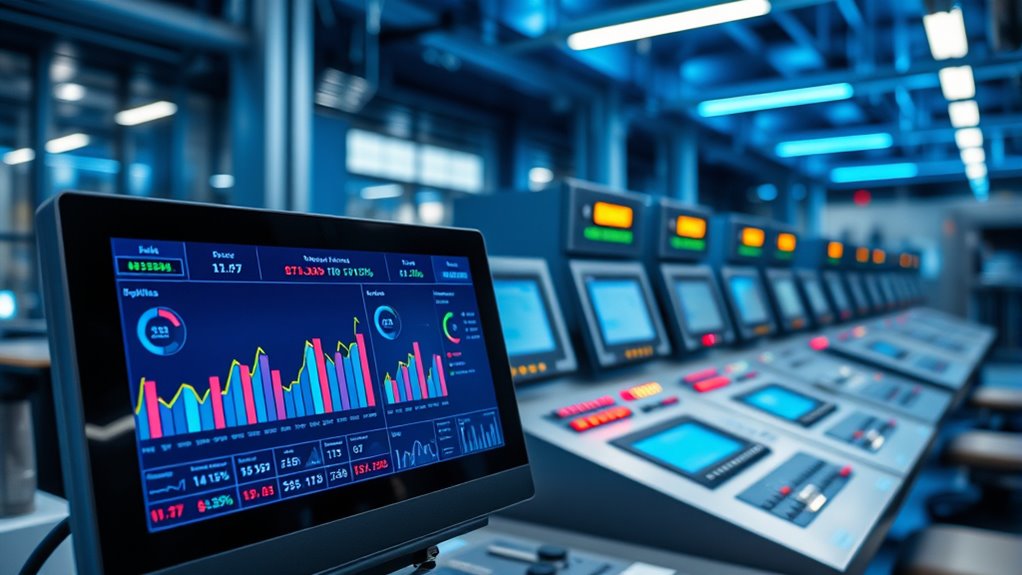

To track machine utilization and uptime, you’ll want to install sensors on your equipment that monitor operational hours, load, and performance metrics. Use analytics tools to interpret this real-time data, which can help identify patterns, inefficiencies, or potential failures. Set clear KPIs and use dashboards or alerts to automate oversight. By doing so, you can optimize maintenance, reduce downtime, and improve overall efficiency — and if you keep exploring, you’ll discover more ways to get the most from your machines.
Key Takeaways
- Install sensors on machinery to monitor operational hours, load, and performance metrics in real-time.
- Use analytics tools to interpret data streams, identify inefficiencies, and predict potential failures.
- Set KPIs and thresholds to compare actual utilization and uptime against targets regularly.
- Implement automated dashboards and alerts for continuous oversight and swift issue detection.
- Schedule preventive maintenance based on usage data to minimize downtime and extend equipment lifespan.
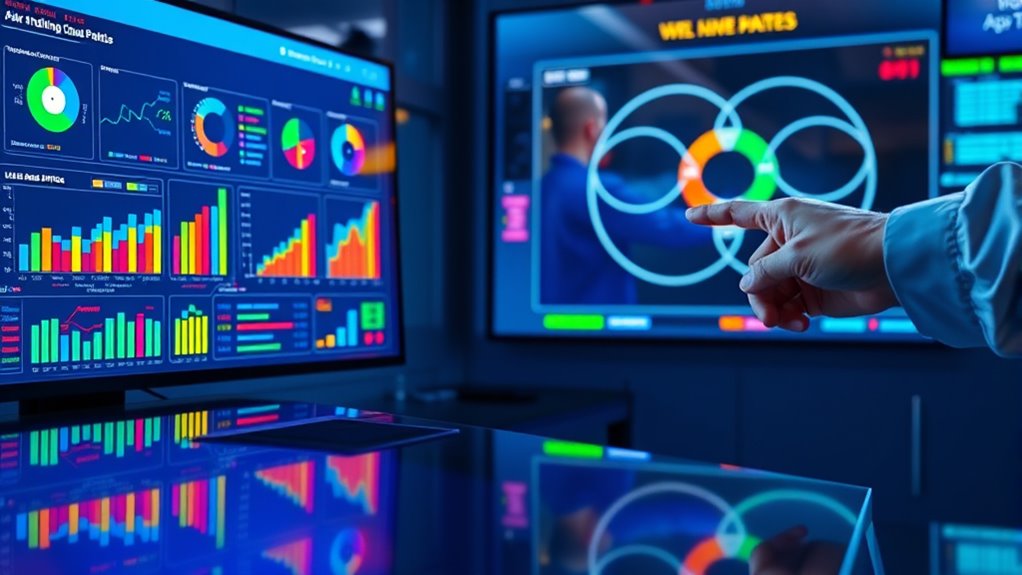
Monitoring machine utilization and uptime is essential for optimizing operational efficiency and reducing costs. When you keep a close eye on how your equipment performs, you gain valuable insights that help prevent unexpected breakdowns and extend the lifespan of your machinery. One of the most effective ways to achieve this is through implementing preventive maintenance strategies. By scheduling regular inspections and servicing based on actual usage data, you can address issues before they escalate into costly repairs. Preventive maintenance minimizes downtime, ensuring your machines run smoothly and consistently. To make informed decisions, you need reliable data, which is where data analytics comes into play. Collecting real-time data on machine operations allows you to analyze patterns, identify inefficiencies, and predict potential failures. With data analytics, you don’t have to rely solely on intuition or manual logs; instead, you can leverage precise metrics to optimize maintenance schedules and operational workflows.
Monitoring machine utilization with real-time data helps prevent breakdowns and optimize maintenance for maximum efficiency.
To get started, you should install sensors and monitoring systems on your equipment that gather crucial information such as operational hours, load factors, temperature, and vibration levels. These sensors provide continuous data streams, enabling you to track machine utilization accurately. Once the data is collected, use analytics tools to interpret it, looking for signs of abnormal behavior or declining performance. This analysis helps you determine whether a machine is underperforming, over-utilized, or nearing a failure point. By integrating these insights into your maintenance planning, you can perform targeted interventions, reducing unnecessary servicing and focusing resources where they’re needed most. This proactive approach minimizes downtime and maximizes productivity. Additionally, understanding the noise levels of your equipment can help you ensure compliance with noise pollution reduction standards and maintain a comfortable environment for workers.
Another key aspect of tracking utilization and uptime involves establishing clear KPIs and benchmarks. Define acceptable performance thresholds for your equipment and regularly compare actual data against these standards. If you notice deviations, you can investigate the root causes and implement corrective measures promptly. Automating this monitoring process with dashboards and alerts ensures you’re always aware of your machines’ status without having to manually check each piece of equipment. This continuous oversight helps you respond swiftly to issues, preventing small problems from turning into major disruptions.
Frequently Asked Questions
What Are the Best Software Tools for Tracking Machine Uptime?
You should consider software tools like Fiix, UpKeep, or MTConnect, which excel at tracking machine uptime. These platforms use predictive analytics to anticipate failures and optimize maintenance scheduling, minimizing downtime. They provide real-time data, alerts, and detailed reports, helping you make informed decisions. By choosing the right tool, you streamline operations, improve efficiency, and guarantee your machines run smoothly, reducing unexpected breakdowns and boosting productivity.
How Do I Interpret Utilization Data for Maintenance Planning?
You instantly realize that high utilization data signals your machine’s superhuman efficiency, guiding your maintenance scheduling like a crystal ball. When you see dips in utilization, it’s like your machine’s telling you it’s exhausted or needs TLC. Use this data to predict breakdowns, plan maintenance, and keep your equipment running like a well-oiled superhero team. In short, interpret utilization data to boost machine efficiency and schedule maintenance before crises strike.
Can Real-Time Tracking Improve Overall Equipment Effectiveness?
Yes, real-time tracking can substantially improve overall equipment effectiveness by enabling predictive maintenance. You’ll spot issues early, reducing downtime and maintenance costs. Plus, real-time data helps optimize ergonomic impacts, making workstations safer and more efficient. This proactive approach minimizes unexpected failures, enhances productivity, and extends equipment lifespan. By continuously monitoring your machines, you stay ahead of problems, ensuring smoother operations and better resource management.
How Do External Factors Impact Machine Utilization Metrics?
External factors like environmental influences and disruptions can markedly impact your machine utilization metrics. For instance, temperature fluctuations, power outages, or supply chain delays may cause downtime or reduce efficiency. These external disruptions force you to adjust schedules or perform maintenance, which lowers utilization rates. By understanding and monitoring these influences, you can better plan and optimize your operations, ensuring your machinery runs smoothly despite external challenges.
What Are Common Challenges in Accurately Measuring Machine Uptime?
Think of measuring machine uptime as hitting a moving target. You face challenges like sensor calibration issues, causing inaccurate readings, and data latency, delaying your insights. These hurdles make it feel like trying to catch smoke. To overcome them, regularly calibrate sensors and guarantee real-time data flow. This way, you can paint a clearer picture of your machine’s true performance, avoiding the fog of inaccurate metrics.
Conclusion
By consistently monitoring machine utilization and uptime, you guarantee your operations run smoothly—much like a seasoned conductor guiding an orchestra to harmony. Remember, the key lies in diligent tracking and analysis, turning data into insights that optimize performance. As the ancient clockmakers mastered precise timing, so too can you refine your processes, transforming raw numbers into the symphony of efficiency that keeps your machinery performing at its peak.