
To train new operators effectively, focus on clear safety protocols, hands-on equipment maintenance, and open communication. Teach them to recognize risks, respond to emergencies, and perform routine checks with supervision. Encourage questions and feedback to make certain of understanding. Set clear expectations and reinforce responsible behaviors consistently. By creating a safety-focused culture and providing ongoing support, you’ll help your new team build confidence and become proficient operators. Keep exploring for more valuable strategies to succeed.
Key Takeaways
- Teach safety protocols thoroughly, emphasizing risks, emergency responses, and regular reinforcement through visual aids and demonstrations.
- Provide hands-on equipment maintenance training, highlighting inspection routines, signs of wear, and reporting procedures.
- Encourage open communication by fostering questions, concerns, and practical exercises to build problem-solving skills.
- Set clear expectations for safety and maintenance, monitor progress, and give constructive feedback to reinforce adherence.
- Promote a safety and responsibility culture through continuous reinforcement, practical exercises, and ongoing support to develop responsible habits.

Training new operators is a essential step in ensuring safe and efficient operations. When you bring new team members onboard, your goal is to equip them with the knowledge and skills they need to perform their duties confidently and correctly. A key part of this process involves thoroughly teaching safety protocols. These protocols are the foundation of a safe work environment, so you should emphasize their importance from the very beginning. Make sure new operators understand the risks associated with their tasks and know how to respond appropriately in emergency situations. Reinforce safety protocols regularly, and encourage questions to clear up any uncertainties. This proactive approach helps prevent accidents and promotes a safety-first mindset. Additionally, incorporating visual aids and demonstrations can enhance understanding and retention of safety procedures.
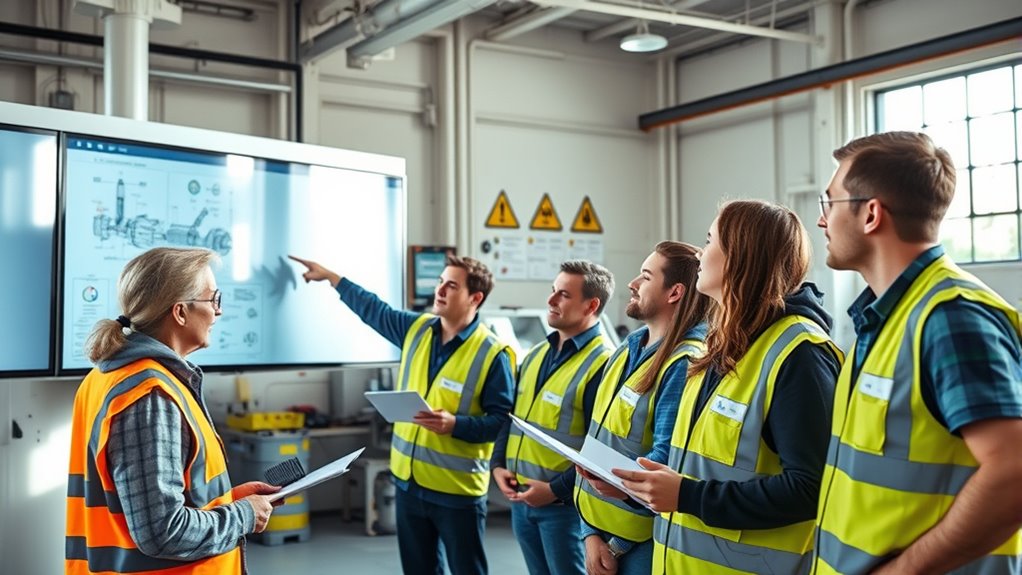
Training new operators emphasizes safety protocols, fostering confidence and a safety-first mindset from the start.
Equally important is training them on equipment maintenance. Well-maintained equipment not only ensures smooth operations but also reduces the risk of malfunctions that could lead to injuries or costly downtime. When training new operators, demonstrate proper inspection routines and maintenance procedures step-by-step. Show them how to identify signs of wear or damage, and stress the importance of reporting issues immediately. Hands-on practice is key here—allow new operators to perform routine checks under supervision, so they gain confidence and develop a habit of thorough inspection. Instilling a routine for equipment maintenance early on helps foster responsibility and awareness, which are essential for long-term safety and operational efficiency.
During training, you should also focus on effective communication. Encourage new operators to ask questions, voice concerns, and share observations about safety and equipment conditions. Clear communication ensures that safety protocols are understood and followed, and issues are addressed before they escalate. Incorporate real-life scenarios and practical exercises, so they can apply what they learn in a controlled environment. This method boosts their problem-solving skills and helps them internalize safety and maintenance procedures more effectively.
Furthermore, setting clear expectations from the start is indispensable. Let new operators know that safety and equipment maintenance are priorities, and that adherence to protocols is non-negotiable. Regularly monitor their progress and provide constructive feedback. Recognize their successes to build confidence and motivation. Remember, effective training isn’t just about delivering information; it’s about creating a culture of safety and responsibility. By continuously reinforcing safety protocols and maintenance routines, you help new operators develop habits that will serve them—and your entire operation—well into the future.
3 Pcs Qualified Scissors Lift Operator Stickers, Safety Certification Vinyl Decals for Construction Workers, Heavy Equipment Operators, Workplace Training and Industrial Gifts (3 inch)
PERFECT FOR PERSONALIZING: Decorate your Car, Hard Hat, Helmet, Water Bottle, Tumbler, Cup, Laptop, Guitar, Cars, Bumper, Motorcycle,…
As an affiliate, we earn on qualifying purchases.
As an affiliate, we earn on qualifying purchases.
Frequently Asked Questions
What Are Common Mistakes New Operators Make During Training?
You often face miscommunication errors and oversight pitfalls when training new operators. They might overlook safety protocols or misunderstand instructions, leading to mistakes. Sometimes, they rush through training or skip essential steps, which causes gaps in knowledge. To avoid this, guarantee clear communication, verify understanding, and emphasize safety. Regularly check their progress, provide feedback, and encourage questions to minimize errors and build confidence.
How Long Should Initial Operator Training Last?
You should plan for an initial training duration of about 2 to 4 weeks, depending on the complexity of the equipment. During this period, conduct regular skill assessments to gauge progress and identify areas needing improvement. This timeframe allows new operators to gain foundational knowledge while giving you flexibility to extend training if necessary. Remember, effective training balances hands-on practice with assessments to ensure readiness and safety.
What Are Effective Ways to Evaluate Operator Readiness?
You should evaluate operator readiness through performance metrics and skill assessments regularly. Observe how they perform tasks under real conditions, noting efficiency, accuracy, and safety compliance. Use checklists and specific benchmarks to measure their skills objectively. Conduct hands-on evaluations and review their understanding of procedures. If they meet or exceed established standards, they’re ready. Continuous assessments help identify areas for improvement, ensuring your operators are fully prepared for their responsibilities.
How Can Training Be Customized for Different Skill Levels?
You should customize training by starting with skill assessments to identify each operator’s strengths and weaknesses. Then, develop personalized modules that target specific needs, ensuring beginners focus on foundational skills while experienced operators advance quickly. This approach confirms that tailored training accelerates learning and boosts confidence. Personalization makes the process more efficient, and skill assessments keep you accurate in adjusting the training to match individual progress and capabilities.
What Resources Are Best for Ongoing Operator Development?
You should leverage training simulators and mentorship programs for ongoing operator development. Simulators provide realistic, hands-on experience without risks, helping operators refine skills continuously. Mentorship programs foster knowledge sharing and support, encouraging experienced operators to guide newer ones. Combining these resources keeps skills sharp, promotes confidence, and guarantees your team stays updated on best practices. Regularly integrating these tools into your training approach enhances long-term operator proficiency and safety.

Anatomy Lab Clinical Nursing Skills Training Kit with Wearable Injection Pad, 60 pc Kit Simulated Injection Training
Wearable Injection Pad Training Kit: Learn, train and gain experience with our clinical nursing skills training kit designed…
As an affiliate, we earn on qualifying purchases.
As an affiliate, we earn on qualifying purchases.
Conclusion
Remember, practice makes perfect. As you train new operators, focus on clear instructions, hands-on experience, and continuous feedback. Patience and consistency are key to building their confidence and skills. Don’t forget, Rome wasn’t built in a day—so give your trainees time to learn and grow. Keep fostering a supportive environment, and soon you’ll see them become competent, independent operators. Stick to your training plan, and success will follow.

ZOCO – CPR & Choking First Aid Poster (5-Pack) – Laminated 12×18 Safety Sign for Adults, Children & Infants – Heimlich Maneuver Chart for Restaurants, School Nurse Offices, Childcare & Workplace Use
Essential Life-Saving Guide – Includes step-by-step first aid instructions for CPR and choking (Heimlich maneuver) for infants, children,…
As an affiliate, we earn on qualifying purchases.
As an affiliate, we earn on qualifying purchases.
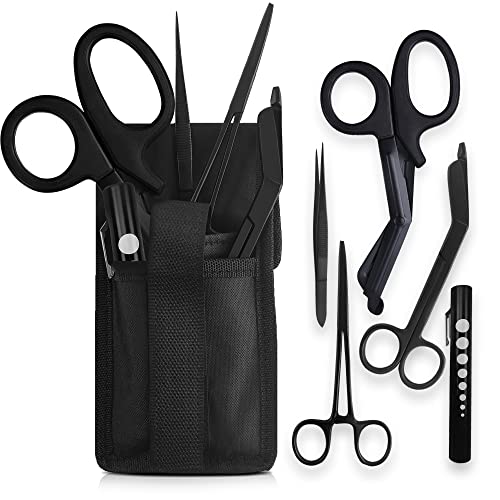
EMS XTRM Quick Response EMT Tactical Medical Tool Kit – Adjustable Belt Pouch, EMT Shears, Bandage Scissor, Forceps, Hemostat, and Pupil Light
QUICK RESPONSE KIT: EMS XTRM First Responder EMT Tactical Kit equipped with essential medical tools for rapid response…
As an affiliate, we earn on qualifying purchases.
As an affiliate, we earn on qualifying purchases.