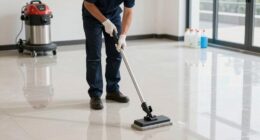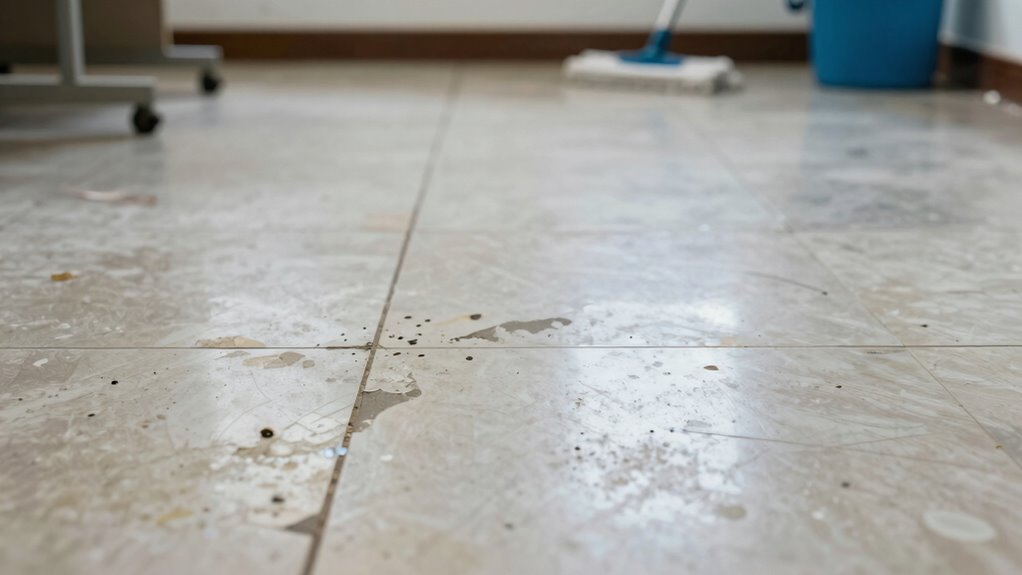
If your floors look dull, show scratches, or feel uneven, it’s a sign your maintenance needs attention. Persistent grime, stains, or slippery spots suggest inadequate cleaning products or techniques. Inconsistent results across areas or visible wear indicatestaff training issues. Regularly inspect for damage like loose tiles or surface deterioration. Addressing these signs early can prevent costly repairs and safety hazards. If you want to spot these signs quickly, keep going—they’ll help you protect your floors effectively.
Listen free for 30 days with Audible
Thousands of audiobooks and originals — cancel anytime.
As an affiliate, we earn on qualifying purchases.
Key Takeaways
- Notice persistent stains, grime, or dullness despite regular cleaning efforts.
- Observe uneven wear, scratches, or damage in high-traffic areas.
- Identify slippery surfaces, loose tiles, or uneven patches indicating safety hazards.
- Detect inconsistent cleaning results across different areas or staff members.
- Recognize signs of over-cleaning, such as stripped coatings or accelerated deterioration.
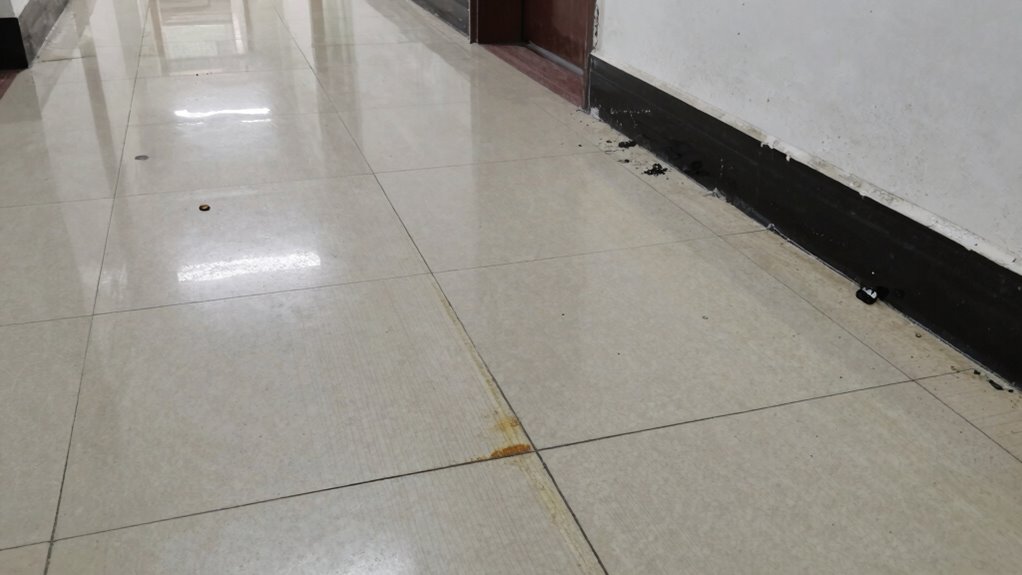
A poor floor care strategy can quickly lead to costly damage and safety hazards, so it’s vital to recognize the warning signs early. One of the first indicators is the effectiveness of your cleaning products. If your floors don’t seem cleaner after cleaning or if grime and stains persist despite regular efforts, it’s a clear sign that your cleaning products might not be effective enough. Using the wrong products or ones that aren’t suitable for your floor type can leave dirt behind and cause buildup over time. This can lead to slippery surfaces or accelerated wear, increasing the risk of slips and falls or expensive repairs. Regularly evaluating how well your cleaning supplies perform helps you identify if it’s time to switch to more suitable or stronger products.
Effective cleaning products are essential; ineffective ones leave dirt, cause buildup, and increase safety and damage risks.
Another critical warning sign involves staff training deficiencies. If your cleaning staff aren’t properly trained, they might not be using the correct techniques, tools, or products. For example, improper mopping methods or neglecting to follow manufacturer instructions can leave floors improperly cleaned or even damaged. Staff training deficiencies often result in inconsistent results, with some areas cleaned thoroughly while others are overlooked or poorly maintained. This inconsistency can cause uneven wear or damage to the floors, which become more noticeable over time. When staff aren’t knowledgeable about the best practices for different floor types, it becomes difficult to maintain the floor’s appearance and safety effectively. Additionally, inadequate training can lead to the misuse of cleaning chemicals, which can harm the flooring material. Proper training is essential for effective floor maintenance and to prevent damage caused by improper cleaning techniques. Regular inspections and ongoing education can help ensure staff follow the most current and effective cleaning procedures, especially given the importance of indoor air quality in maintaining a healthy environment.
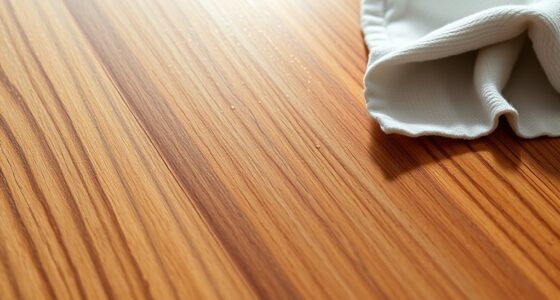
You should also pay attention to the overall condition of the floors. If you notice increased scratches, dullness, or visible wear in high-traffic areas, it indicates that your current cleaning approach isn’t enough to preserve the flooring. Over-cleaning or using harsh chemicals can strip away protective coatings, making floors more susceptible to damage. Conversely, under-cleaning allows dirt and debris to cause scratches and deterioration. When the floors look dull or show signs of damage despite regular cleaning, it’s a sign that your method needs review. Monitoring floor condition regularly can help you catch problems early before they require costly repairs.
Finally, safety hazards are a clear warning sign. Slippery patches, loose tiles, or uneven surfaces can all stem from ineffective cleaning routines or poor maintenance. If cleaning isn’t removing residues properly or if floors aren’t being inspected regularly, hazards can develop unnoticed. This not only risks injury but also indicates that your floor care strategy isn’t all-encompassing enough. Addressing these warning signs early ensures you can implement corrective measures — such as upgrading cleaning products, improving staff training, or scheduling regular inspections — to protect your floors and maintain a safe environment. Recognizing floor care issues early can prevent costly repairs and ensure safety.
floor cleaning products for hardwood
As an affiliate, we earn on qualifying purchases.
As an affiliate, we earn on qualifying purchases.
Frequently Asked Questions
What Are Common Signs of Neglect in Floor Maintenance?
You can tell there’s neglect in floor maintenance if you notice dust buildup in corners or along edges, indicating cleaning has been overlooked. Stained surfaces that don’t come clean after wiping suggest insufficient or improper cleaning routines. These signs show that regular upkeep isn’t happening, which can lead to further damage over time. Addressing these issues promptly helps maintain your floors’ appearance and longevity, preventing costly repairs later.
How Often Should Floors Typically Be Inspected for Damage?
Think of your floors as silent guardians—regularly inspecting them keeps them strong. You should check for damage and wear at least once a month, especially in high-traffic areas. Proper inspection frequency helps you catch issues early, ensuring floor durability isn’t compromised. Don’t wait for a visible problem to appear; proactive checks save time and money, maintaining your floors’ integrity and extending their lifespan effortlessly.
What Tools Indicate Poor Cleaning Practices?
You can spot poor cleaning practices by checking if cleaning frequency is inconsistent or too infrequent, leading to dirt buildup. Look for equipment that’s poorly calibrated or malfunctioning, which results in uneven cleaning. Dirty mop heads, uncleaned corners, and streaks on floors also indicate inadequate practices. Regularly inspecting equipment calibration and maintaining a consistent cleaning schedule are key tools to guarantee effective floor care and avoid neglect.
When Is It Time to Replace Floor Care Equipment?
You should replace floor care equipment when it surpasses its equipment lifespan or shows consistent signs of wear and inefficiency. Regularly review your floor maintenance schedules to guarantee equipment is functioning at its best. If you notice decreasing performance, increased downtime, or costly repairs, it’s time to invest in new equipment. Staying proactive helps maintain a clean, safe environment and prevents costly repairs or compromised floor quality.
Who Should Be Responsible for Monitoring Floor Care Quality?
Did you know that poor floor care can increase slip-and-fall accidents by up to 50%? As a manager, you’re responsible for monitoring floor care quality. You should oversee fleet management and guarantee staff training is effective. Regular inspections, feedback sessions, and ongoing training help spot issues early. By staying engaged, you guarantee your team maintains high standards, reducing risks and extending your floors’ lifespan.
Conclusion
So, next time your floors look like a scene from a muddy disaster movie, don’t pretend it’s stylish. Recognize the warning signs of a poor floor care strategy before your space turns into a foot traffic nightmare. Remember, neglecting proper maintenance isn’t just lazy — it’s an open invitation for dirt, damage, and disappointment. Take action now, or enjoy the glamorous look of grimy floors — because who doesn’t love a good slip ‘n slide?
College move-in / dorm season Picks
dorm essentials
As an affiliate, we earn on qualifying purchases.