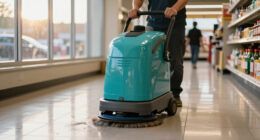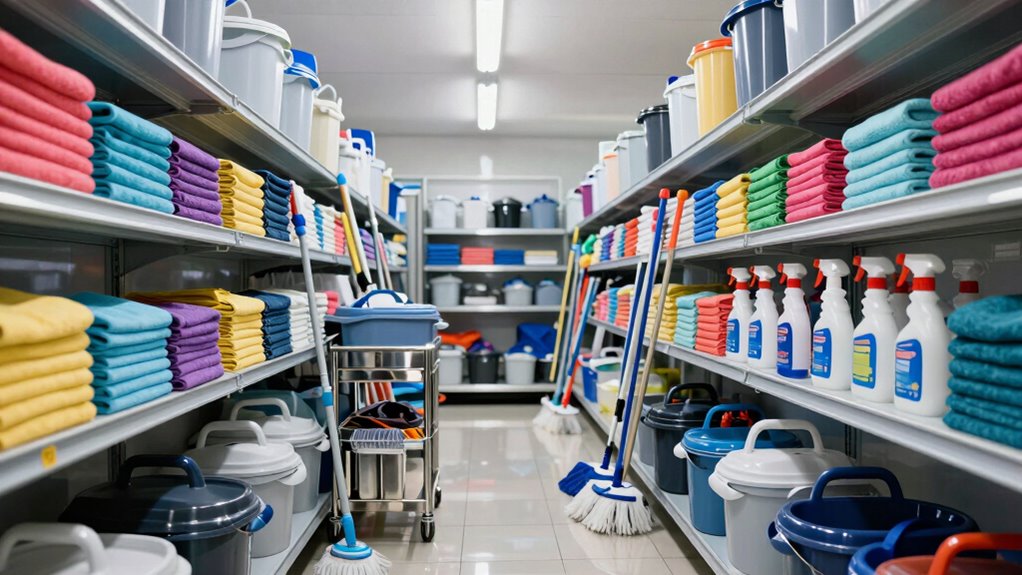

Many facilities overbuy cleaning equipment to avoid shortages during busy times or deep cleaning. This often stems from fears of running out or being unprepared, but it leads to unnecessary expenses and clutter. You might buy duplicates or outdated tools that quickly become useless. Proper planning and understanding your actual needs can prevent this waste. If you keep exploring, you’ll discover more ways to optimize your cleaning inventory and save costs effectively.

Get cleaning gear delivered free with Prime
- Fast, free delivery on millions of items
- Prime Video, Amazon Music and more included
- Member-only deals all year
Key Takeaways
- Fear of running out leads to stockpiling unnecessary equipment during busy periods.
- Lack of understanding about equipment lifecycle causes premature replacements and overstocking.
- Trend-driven purchases of new technology often result in unnecessary excess.
- Misjudging actual cleaning needs prompts facilities to buy more tools than required.
- Poor planning and budgeting lead to overbuying to avoid shortages or disruptions.
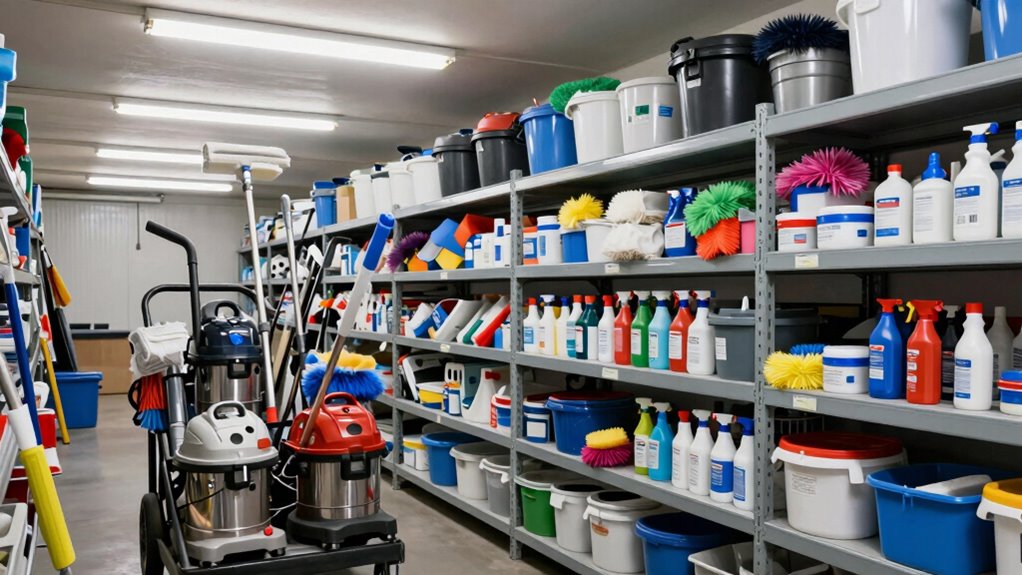
Many facilities tend to overbuy cleaning equipment, often believing that having more tools will lead to better cleanliness. This mindset can stem from a desire to be prepared for any cleaning situation, but it often results in unnecessary expenses and clutter. When you overstock equipment, it impacts your cleaning budget, making it harder to allocate funds efficiently. Instead of investing in essential, high-quality tools, you might find yourself purchasing duplicates or outdated models that quickly become obsolete. Overbuying can also lead to storage issues and maintenance challenges, distracting you from the core goal of maintaining a clean environment.
A significant factor behind this tendency is a misunderstanding of equipment lifecycle. Many facility managers assume that buying more equipment or newer models will automatically improve cleaning results, but this isn’t always the case. Each piece of cleaning equipment has a lifecycle—an expected period during which it remains effective before it needs replacement or repair. When you overbuy, you risk cluttering your storage with items that may fall outside their *ideal* lifespan, leading to premature replacements or repairs that drain your cleaning budget. Properly managing your equipment lifecycle includes monitoring usage, maintaining tools well, and replacing them only when necessary. This approach ensures cost-effectiveness and prolongs the usefulness of your tools.
Another reason for overbuying is the fear of running out of essential equipment during busy periods or deep cleaning tasks. While this concern is understandable, it often prompts facilities to purchase excess supplies “just in case,” which can be an expensive mistake. Instead, you should analyze your cleaning routines and usage patterns to determine the right amount of equipment needed. This way, you avoid stockpiling unnecessary tools that sit unused for long periods, wasting money and storage space. Planning your cleaning budget carefully allows you to invest in durable, reliable equipment that supports your routines without excess.
Additionally, staying informed about cleaning technology and trends can help prevent impulsive purchases driven by the latest innovations. Some facilities jump into new purchases impulsively, hoping newer equipment will boost efficiency, without considering whether it fits their actual needs or fits into their existing maintenance plan. Educating yourself about equipment lifecycle, maintenance requirements, and realistic needs helps you make smarter choices, preventing unnecessary overinvestment. Recognizing that equipment lifespan varies depending on usage and maintenance can help you better time replacements and avoid wasteful spending. Moreover, understanding maintenance practices can extend the longevity of your tools and reduce overall costs. Implementing a preventive maintenance plan can significantly enhance the lifespan of your equipment, ensuring you get the most value from your investments. By focusing on essential, high-quality tools and managing their lifecycle effectively, you’ll *maximize* your cleaning budget and ensure your facility remains spotless without wasteful spending. Recognizing the importance of biodiversity and sustainable practices can also influence smarter purchasing decisions that support environmental goals.
professional cleaning equipment organizer
As an affiliate, we earn on qualifying purchases.
As an affiliate, we earn on qualifying purchases.
Frequently Asked Questions
How Can Facilities Determine the Actual Cleaning Equipment Needs?
You can determine your cleaning equipment needs by conducting an inventory assessment to see what you already have and analyzing usage patterns to identify actual needs. Track how often equipment is used, its effectiveness, and any gaps in coverage. This helps you avoid overbuying, optimize your inventory, and make certain you’re investing in the right tools for your facility’s specific cleaning requirements.
What Are the Environmental Impacts of Overbuying Cleaning Equipment?
You know what they say, “Less is more,” and overbuying cleaning equipment impacts the environment by increasing your facility’s environmental footprint and complicating waste management. Excess equipment often ends up in landfills, releasing harmful chemicals and materials. This unnecessary waste contributes to pollution, consumes more energy, and depletes resources. By avoiding overbuying, you reduce environmental harm, manage waste more effectively, and promote sustainability.
How Does Overbuying Affect Long-Term Maintenance Costs?
Overbuying cleaning equipment increases your long-term maintenance costs because it complicates inventory management and leads to underutilized assets. When you purchase more than needed, you face higher storage expenses, increased repair and replacement costs, and difficulty tracking equipment lifespan. This inefficiency hampers cost optimization efforts, causing your facility to spend more over time. Proper inventory management guarantees you buy only what’s necessary, saving money and streamlining maintenance.
Are There Specific Industries More Prone to Overbuying Cleaning Equipment?
Certain industries, like healthcare and hospitality, are more prone to overbuying cleaning equipment because of equipment redundancy and budget misallocation. You might find these sectors stockpiling tools to guarantee rapid response and thorough sanitation, but this often leads to excess spending. The rush to be prepared can turn into a trap, causing inflated costs and inefficient use of resources. Staying focused on actual needs helps prevent these costly pitfalls.
What Strategies Can Prevent Overbuying Cleaning Supplies and Equipment?
To prevent overbuying cleaning supplies and equipment, you should establish a clear cleaning budget and stick to it. Implement effective inventory management by regularly tracking stock levels and usage patterns, avoiding unnecessary purchases. By analyzing your cleaning needs, you can purchase only what’s necessary, reducing waste and costs. Additionally, train staff on proper inventory procedures, ensuring your supplies are used efficiently and your budget remains under control.
Conclusion
While overbuying cleaning equipment might seem like a safeguard against shortages, it often leads to unnecessary costs and clutter. You might think more tools mean better cleanliness, but excess equipment can complicate routines and diminish efficiency. It’s a paradox—you invest heavily to guarantee spotless spaces, yet end up with wasted resources and unused gear. Striking a balance between preparedness and practicality ensures your facility remains both clean and cost-effective, proving that sometimes, less truly is more.
Columbus Day / Indigenous Peoples' Day Picks
long weekend sales
As an affiliate, we earn on qualifying purchases.