
TL;DR

Get cleaning gear delivered free with Prime
- Fast, free delivery on millions of items
- Prime Video, Amazon Music and more included
- Member-only deals all year
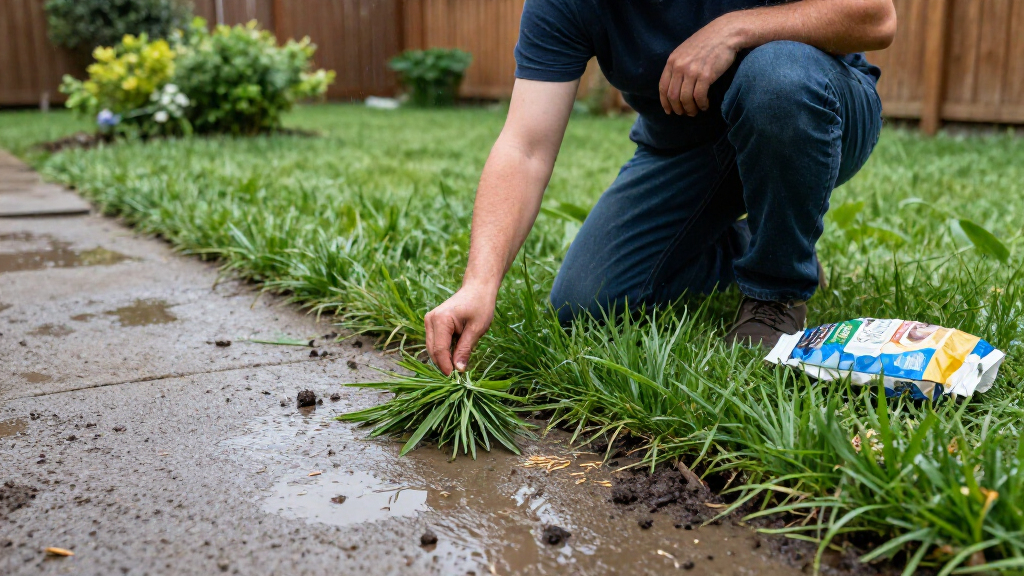
Grass seed can still grow after heavy rain if the water drains and the soil remains moist rather than saturated. Standing water can cause seed to rot or lose oxygen, while runoff may wash seed into clumps; gardeners can redistribute it, aerate waterlogged areas lightly and cover seed with a thin layer of soil or compost.
Heavy rain does not automatically prevent grass seed from growing, but standing water can damage seed or leave a new lawn patchy, according to lawn-care specialists quoted by Ideal Home. Their advice is to check whether water has drained, then redistribute displaced seed, lightly aerate waterlogged areas or cover seed with a thin layer of soil or compost.
The key distinction is between moist soil and waterlogged ground. Guy Jenkins, consumer manager at Johnson’s Lawn Seed, told Ideal Home that moisture is needed for germination, but that fully saturated conditions can interfere with it. Jonathan Davis, a lawn-care expert at Lawnsmith, said seed should germinate as normal when rain has drained away or soaked into the soil and the ground remains moist.
Problems can arise when water pools on the surface. Davis said seed left in standing water can rot or be deprived of oxygen. Heavy rain can also wash seed away or gather it in clumps. That may still produce growth, he said, but can leave thick tufts alongside bare patches.
If seed has shifted, Jenkins advises waiting until the ground is workable before using a rake to spread it across bare areas. He said germination typically appears within seven to 21 days; if the lawn remains noticeably patchy after that period, he recommends overseeding affected spots. For waterlogged ground, Davis suggests light aeration to help water drain, focusing on affected areas to limit disturbance to seed and existing grass. A thin covering of topsoil or compost can help hold seed in place, he said.
How Rain Affects New Lawns
The advice matters to people who sowed seed before a storm because a heavy downpour is not, by itself, proof that the lawn has failed. Checking drainage and where the seed has settled can help distinguish a lawn that needs time from one that may need repair.
Timing and care matter: raking or aerating soil that is too wet can disturb seed and damage the lawn. The specialists’ recommendations are conditional—wait until the ground is workable before redistributing seed, and keep aeration light. Gardeners may need to wait through the seven-to-21-day germination window before judging whether bare areas require overseeding.
Products Worth Considering

Shark Rocket Pet Plus Corded Stick Vacuum, Lightweight, Bordeaux, HV322

TCL T7 Series 85-Inch 4K 144Hz QLED Smart Google TV

Ring Alarm 14-Piece Wireless Security System
As an affiliate, we earn on qualifying purchases.
The Difference Between Wet and Waterlogged
Autumn is commonly considered a suitable season for sowing grass seed, and seed needs moisture to begin germinating. But the Ideal Home report’s experts distinguish useful moisture from prolonged saturation or surface pooling, which can deprive seed of oxygen or move it from where it was sown.
The report gives three responses to rain-related problems: redistribute seed after it has washed into patches, lightly aerate waterlogged areas to create channels for drainage, and add a thin layer of soil or compost to help hold seed in place. These steps address different conditions; the report does not say every lawn needs all three.
“You should typically start to see germination within seven to twenty-one days.”
— Guy Jenkins, as quoted by Ideal Home
Each Lawn Depends on Drainage
The report does not establish how much rain is too much or how long seed can remain submerged before it is damaged. The outcome depends on how quickly water drains, how much seed has moved and the condition of the soil. It also provides no guarantee that any particular lawn will recover or specify a single amount of waterlogging that calls for reseeding.
Gardeners may not know the extent of the damage immediately. Some seed may germinate while other areas remain bare, and the report’s seven-to-21-day estimate is a general timeframe attributed to Jenkins, not a confirmed schedule for every lawn or seed type.
Check Growth Before Overseeding
Once the ground is workable, gardeners can inspect for pooled water, bare patches and seed gathered in clumps. If seed has moved, rake it across affected areas; where water is pooling, light aeration may help drainage. A thin soil or compost covering is another option for keeping seed in place.
Then allow time for germination. Jenkins’s guidance is to look for growth over seven to 21 days and consider overseeding bare areas if the lawn is still noticeably patchy after that period. The source offers general lawn-care advice; it does not report a specific storm, a measured loss of seed or an official assessment of damage.
Key Questions
Will grass seed grow after heavy rain?
It can. According to lawn-care specialists quoted by Ideal Home, seed may germinate normally if rain drains away and the soil stays moist rather than waterlogged.
What happens if water stands on newly sown seed?
Standing water can cause seed to rot or be deprived of oxygen, according to Lawnsmith expert Jonathan Davis. Rain can also wash seed away or gather it into clumps, producing uneven growth.
How can I rescue seed that has washed into patches?
Wait until the ground is workable, then use a rake to redistribute seed over bare areas, advises Johnson’s Lawn Seed consumer manager Guy Jenkins. If the lawn remains noticeably patchy after the usual germination period, he recommends overseeding the affected spots.
Should I aerate a waterlogged lawn?
Light aeration can create channels that help water drain, Davis said. He recommends focusing on the waterlogged areas and avoiding heavy aeration that could disturb seed or stress existing grass.
How long should I wait to see whether the seed has germinated?
Jenkins said germination typically starts within seven to 21 days. The actual timing can vary, and the report does not provide a guarantee for individual lawns.
Source: idealhome.co.uk