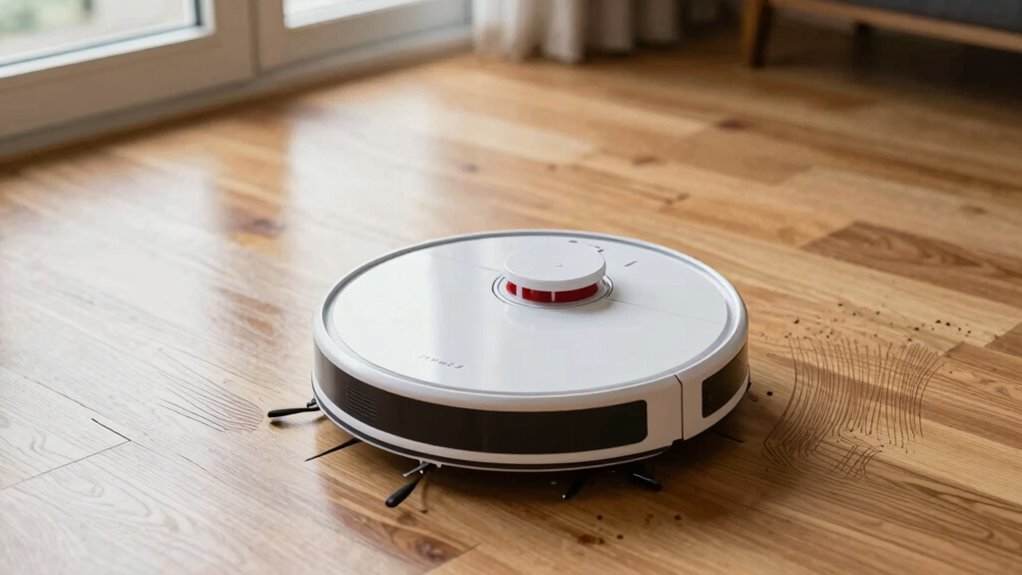

Autonomous cleaning modes allow your device to operate independently, using sensors and mapping technology to navigate and clean large areas with minimal input from you. Assisted modes give you more control, letting you guide the device or target specific spots for cleaning, often with safety features for better precision. You’ll find autonomous ideal for routine tasks, while assisted suits situations needing extra control. Keep exploring to discover how these modes can best fit your cleaning needs.

Get cleaning gear delivered free with Prime
- Fast, free delivery on millions of items
- Prime Video, Amazon Music and more included
- Member-only deals all year
Key Takeaways
- Autonomous modes operate independently, navigating and cleaning with minimal user input, while assisted modes require user guidance for specific tasks.
- Autonomous devices use sensors and mapping technology for large-area cleaning, whereas assisted modes focus on targeted cleaning with user control.
- Fully autonomous cleaning handles routine tasks efficiently, while assisted modes allow users to direct or focus cleaning on particular spots.
- Autonomous cleaning is ideal for minimal intervention and consistent coverage; assisted modes suit precise or delicate cleaning needs.
- User involvement is minimal in autonomous modes, whereas assisted modes involve active guidance and control by the user.
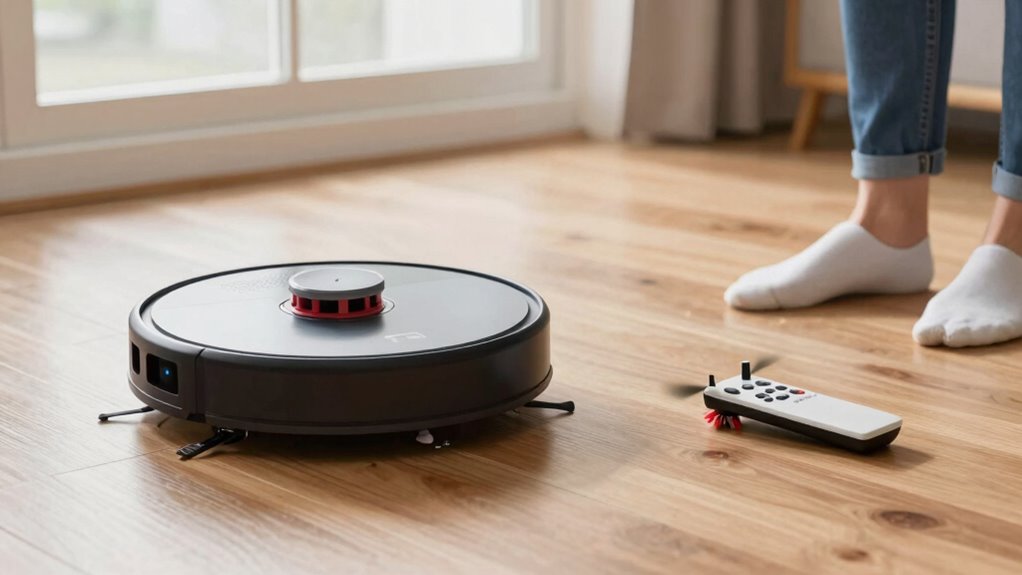
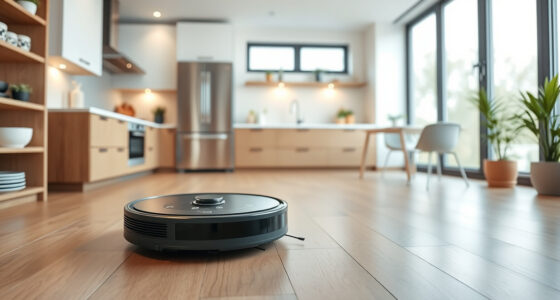
Cleaning appliances come with various modes designed to make your chores easier, but understanding the difference between autonomous and assisted cleaning modes can be confusing. When choosing a device, it’s important to grasp how each mode impacts cleaning efficiency and your level of user control. Autonomous cleaning modes are built to operate independently, allowing the appliance to navigate your space and clean without much input from you. These devices often use sensors, cameras, or mapping technology to identify dirt, obstacles,, and the layout of your room. As a result, they can cover large areas efficiently and adapt to different surfaces with minimal supervision. If you prefer a device that works quietly in the background and takes full charge of the cleaning process, an autonomous mode suits you best.
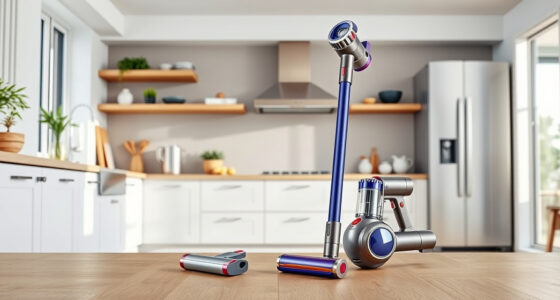
On the other hand, assisted cleaning modes give you a more hands-on experience. While these modes still automate parts of the cleaning process, they generally require your input to perform specific tasks. For example, you might select a spot-cleaning feature or manually guide the device to a particular area. Assisted modes often involve user control over navigation, allowing you to target trouble spots or avoid delicate objects. This approach can improve cleaning efficiency when you need precision or want to focus on high-traffic zones. Plus, assisted modes are suitable if you prefer a more active role in cleaning or want to oversee the process more closely. They strike a balance between fully manual cleaning and autonomous operation, giving you flexibility without sacrificing convenience. Additionally, many devices with assisted modes incorporate sensor technology to enhance user control and safety.
The choice between autonomous and assisted modes ultimately depends on your cleaning preferences and the environment in which you’re using the appliance. If you value minimal intervention and consistent coverage, autonomous modes are likely your best bet. They handle routine tasks efficiently, freeing you up for other activities. Conversely, if you need more control over specific areas or want to be involved in the cleaning process, assisted modes provide that opportunity. They can help target stubborn dirt or avoid fragile items, making your cleaning routine more tailored to your needs. Both modes aim to improve cleaning efficiency in different ways, and understanding how they work helps you select the right appliance for your home. Whether you prefer a set-it-and-forget-it approach or a more interactive experience, knowing the distinctions ensures your choice aligns with your lifestyle. Recognizing the technological advancements in cleaning devices can further enhance your decision-making process.
robot vacuum with autonomous cleaning mode
As an affiliate, we earn on qualifying purchases.
As an affiliate, we earn on qualifying purchases.
Frequently Asked Questions
Can Both Cleaning Modes Be Used Simultaneously?
Yes, you can often use both cleaning modes simultaneously through dual operation or mode integration features. Many modern cleaning devices allow you to set autonomous mode for certain areas while using assisted mode in others, giving you flexible control. This setup helps optimize cleaning efficiency and convenience, especially in larger spaces. Check your device’s settings to enable dual operation, ensuring seamless mode integration for tailored cleaning solutions.
Which Mode Is More Energy-Efficient?
Think of autonomous cleaning modes as a marathon runner conserving energy for the long haul—more energy-efficient than assisted modes. You’ll notice better battery longevity and lower power consumption because the robot optimizes its route and cleaning intensity. Assisted modes often use more power, like sprinting, which drains batteries faster. So, if you want to stretch your device’s runtime, go for autonomous mode—it’s designed to conserve energy and extend battery life.
Are There Specific Surfaces Better Suited for Each Mode?
You should choose assisted cleaning modes for delicate surfaces with high surface sensitivity, like hardwood or fine tiles, to prevent damage and guarantee cleaning precision. Autonomous modes work well on tougher surfaces, such as carpets or concrete, where cleaning precision is less critical. By selecting the right mode based on surface sensitivity, you optimize cleaning efficiency and protect your surfaces from potential harm.
How Do User Controls Differ Between Modes?
You’ll find user controls quite the comedy show—autonomous mode offers a simple, streamlined interface, almost like talking to a friendly robot. Assisted mode, however, cranks up the control complexity, giving you more buttons, sliders, and options, as if you’re commanding a spaceship. So, whether you prefer a “set it and forget it” approach or enjoy micromanaging every sweep, your user interface adapts to your desired level of control.
Do Maintenance Requirements Vary Between Modes?
Yes, maintenance requirements can vary between modes. In autonomous mode, you might notice more frequent battery wear due to continuous operation and higher cleaning effectiveness, especially in large areas. Assisted mode often uses less battery and may require less maintenance. Regularly check and clean filters and brushes regardless of mode, but autonomous cleaning demands closer attention to battery lifespan and motor health to guarantee peak performance.
Conclusion
Now that you know the difference between autonomous and assisted cleaning modes, you can choose the right option for your needs. Whether you prefer hands-off convenience or some help along the way, understanding these modes guarantees you get the most out of your cleaning devices. Remember, it’s not just about the tool, but how you use it. With the right knowledge, you’re all set to keep your space sparkling—because a clean home is a happy home.
Fall Picks
fall essentials
As an affiliate, we earn on qualifying purchases.