When deploying autonomous cleaning robots in busy public spaces, you must consider safety, privacy, and public trust. Ensuring strong safety measures, like sensors and emergency shut-offs, is essential to prevent accidents. You also need transparent policies on data use to respect individual privacy. Building trust relies on clear communication and ongoing oversight to adapt ethical standards as technology advances. If you want to know how to balance these concerns effectively, there’s more to explore.

Get cleaning gear delivered free with Prime
- Fast, free delivery on millions of items
- Prime Video, Amazon Music and more included
- Member-only deals all year
Key Takeaways
- Ensuring autonomous cleaning robots prioritize safety and prevent accidents in crowded environments to protect public well-being.
- Implementing transparent data collection policies to respect individual privacy rights and avoid unwarranted surveillance.
- Maintaining public trust through clear communication, regular safety audits, and responsible transparency about technology use.
- Balancing operational efficiency with ethical considerations, including safety protocols and data privacy concerns.
- Continuously updating ethical guidelines to adapt to technological advances and uphold societal standards and trust.
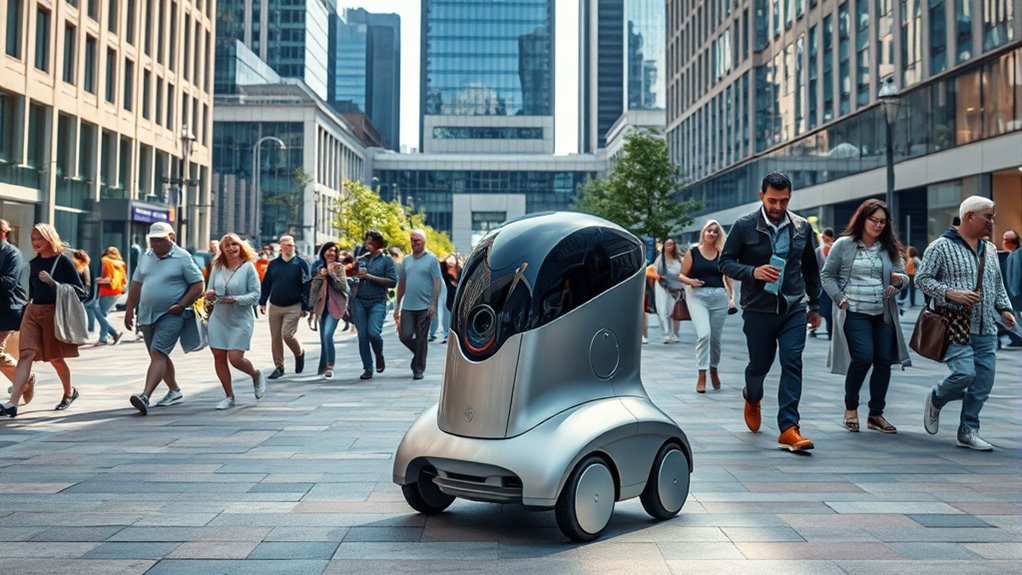
As autonomous cleaning robots become more common in crowded public spaces, questions about their ethical implications grow more urgent. You might wonder how these machines impact privacy and whether they can be trusted to operate safely around countless people. These concerns aren’t just hypothetical; they’re central to ensuring that the technology benefits everyone without infringing on individual rights or causing harm. When deploying these robots, organizations must prioritize strong safety protocols to prevent accidents, such as collisions or injuries. This involves implementing sensors, emergency shut-offs, and regular maintenance to keep the robots functioning correctly. Such safety measures are critical because they directly influence public trust and the perceived legitimacy of autonomous cleaning systems. If people feel unsafe or believe their privacy is being compromised, resistance to these technologies could grow, hindering their adoption and the potential advantages they offer. Additionally, establishing robust safety standards can help address public concerns and promote responsible implementation. Privacy concerns are perhaps the most sensitive aspect of autonomous cleaning in public areas. These robots often rely on cameras, sensors, and data collection to navigate and perform their tasks efficiently. While this technology enables precise cleaning, it can also lead to fears about constant surveillance or unwelcome data gathering. You need to be aware that unchecked data collection risks infringing on individuals’ privacy rights, especially if the information is stored or shared without explicit consent. To address this, organizations should establish transparent policies about what data is collected, how it’s used, and who has access. An effective approach involves anonymizing data whenever possible and limiting storage duration, so people feel confident that their movements or personal belongings aren’t being monitored excessively. Clear communication about these measures can build trust and demonstrate a commitment to respecting privacy rights. Balancing efficiency with ethical responsibility requires ongoing oversight and adaptability. You should advocate for regular audits to evaluate safety protocols and identify potential privacy breaches. Training staff and informing the public about how autonomous cleaning robots operate can foster transparency. This way, users understand that safety isn’t compromised and that their privacy is being protected. As the technology evolves, so should the guidelines governing its use. Ultimately, the goal is to integrate autonomous cleaning robots into crowded spaces in a way that maximizes cleanliness and safety without sacrificing individual rights. When done responsibly, this approach not only enhances hygiene standards but also reinforces societal trust in emerging technologies, making public spaces safer and more welcoming for everyone.
Products Worth Considering

eufy C28 Robot Vacuum Cleaner and Mop for Pet Hair, 15,000 Pa

Roborock Q7 M5+ Robot Vacuum and Mop

Philips Hue Secure Starter Kit with Contact Sensors, Motion Sensor, Bridge, and Color Smart Bulbs
As an affiliate, we earn on qualifying purchases.
Frequently Asked Questions
How Do Autonomous Cleaners Handle Unexpected Human Behaviors?
When faced with unexpected human behaviors, autonomous cleaners rely on robot-human interaction to respond effectively. They use machine learning adaptation to recognize and interpret unpredictable actions, adjusting their movements accordingly. This process helps prevent accidents and guarantees safety. You’ll find that these systems improve over time, becoming better at handling surprises by learning from each encounter, making the cleaning process smoother and more responsive in crowded public spaces.
What Privacy Concerns Arise From Autonomous Cleaning Technologies?
When considering privacy concerns with autonomous cleaning tech, you must focus on data security and user consent. These devices often collect images and location data, raising worries about how securely that data’s stored and who can access it. You should guarantee that users are informed and give explicit consent before data collection begins. Transparency and robust security measures help protect individual privacy and build trust with users.
Are There Legal Liabilities for Accidents Caused by Autonomous Cleaners?
You should know that if an autonomous cleaner causes an accident, legal liabilities come into play. You’ll need liability insurance to cover potential damages and injuries. Ensuring legal compliance with safety standards and regulations is essential to protect yourself and your business. Without proper safeguards, you could face lawsuits or fines. Staying proactive by maintaining insurance and adhering to laws minimizes risks and helps you respond effectively if an incident occurs.
How Do Autonomous Cleaners Prioritize Cleaning Tasks in Crowded Areas?
Think of autonomous cleaners as busy bees, diligently choosing tasks based on their robotic navigation and sensor accuracy. You’ll find they prioritize high-traffic areas first, ensuring safety and efficiency. These machines constantly analyze their surroundings, adjusting routes to avoid obstacles and crowded spots. With advanced sensor technology, they make real-time decisions, focusing on areas needing immediate attention, so the space stays clean without disrupting crowds or missing spots.
What Measures Ensure Autonomous Cleaners Do Not Discriminate Against Certain Groups?
You should implement bias mitigation strategies and fairness algorithms to guarantee autonomous cleaners don’t discriminate against any groups. Regularly testing these systems for bias helps identify and correct unintended disparities. Incorporating diverse data sets and involving stakeholders from different backgrounds in system design also promotes fairness. These measures help create an equitable environment, ensuring that autonomous cleaning services serve everyone equally without bias or discrimination.
Conclusion
As you consider autonomous cleaning, remember that over 80% of public spaces rely on human staff, raising questions about safety and job displacement. Autonomous cleaners could reduce accidents by 30%, but you must also weigh privacy concerns and ethical implications. By embracing technology thoughtfully, you help create safer, cleaner environments without sacrificing human connection. Ultimately, your choices shape a future where innovation and ethics walk hand in hand, ensuring public spaces serve everyone’s best interests.