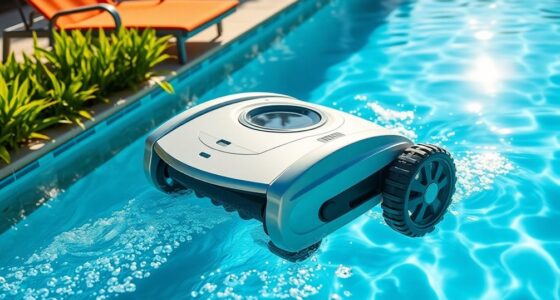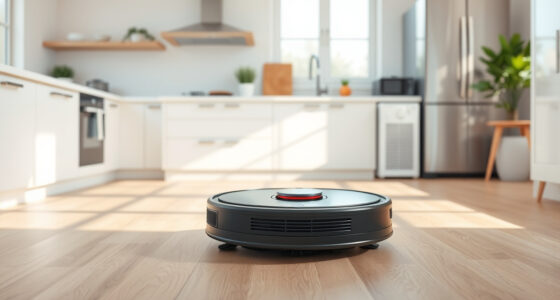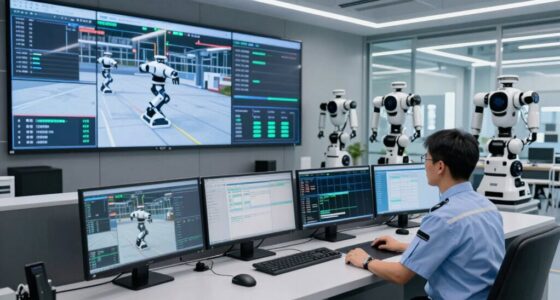

When managing a cleaning robot pilot, you should track its performance metrics like coverage area, route completion, and error rates to guarantee effectiveness. Monitor how quickly your staff adapt and follow procedures, while also noting maintenance needs and downtime to handle issues proactively. It’s important to evaluate how well the robot integrates into your workflow and gather user feedback for improvements. Keep an eye on these aspects, and you’ll uncover valuable insights for success.

Get cleaning gear delivered free with Prime
- Fast, free delivery on millions of items
- Prime Video, Amazon Music and more included
- Member-only deals all year
Key Takeaways
- Robot performance metrics such as coverage, route completion, and cleaning effectiveness.
- User training levels, proficiency, and adherence to operational procedures.
- Maintenance frequency, repair response times, and cost-effectiveness.
- Integration with existing workflows and impact on overall cleaning efficiency.
- Staff feedback on usability, satisfaction, and observed cleaning quality.
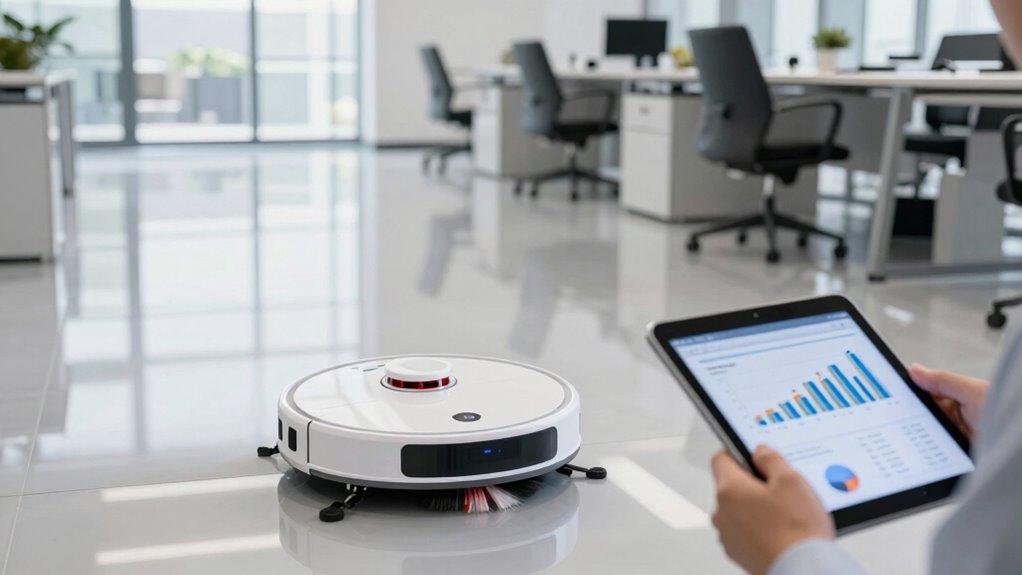
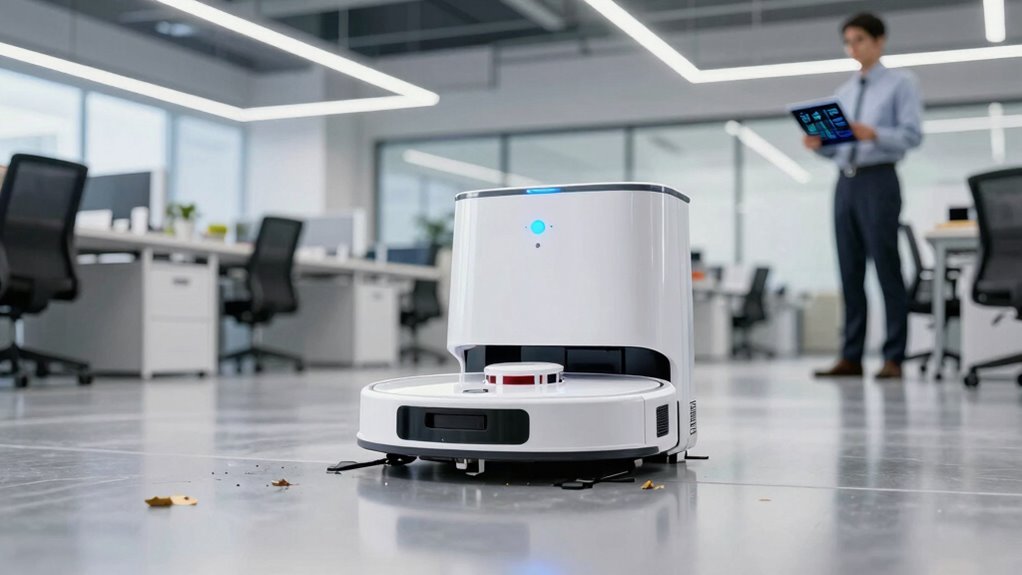
Implementing a cleaning robot pilot can substantially boost efficiency, but only if managers know what to measure. When you’re evaluating a new robot, it’s crucial to focus on how well the robot performs its tasks. Robot performance metrics give you clear insights into the machine’s cleaning effectiveness, coverage, and reliability. You want to track how much area the robot covers within a set time, how often it completes its routes without errors, and whether it misses spots or requires manual intervention. These metrics help you determine if the robot is truly improving cleaning standards or if adjustments are needed. Equally important is evaluating user training. No matter how advanced a robot is, its success hinges on how well your staff understands its operation. You should measure the level of user training provided and how effectively staff are adopting the new technology. Well-trained users are less likely to cause operational issues, such as misprogramming or neglecting maintenance routines, which can impair performance. Observing how quickly staff become proficient with the robot and whether they follow recommended procedures can offer valuable insights into the pilot’s overall success. Additionally, tracking Robot performance metrics can help identify patterns that might indicate underlying issues or opportunities for optimization. Monitoring maintenance needs regularly also helps prevent unexpected breakdowns that could disrupt cleaning schedules. Incorporating sensor data can further enhance your understanding of how the robot interacts with its environment and identify areas for improvement. Regular analysis of performance data can reveal trends that optimize the robot’s functionality over time. Understanding the environmental context in which the robot operates can also help tailor maintenance and operational strategies for better results.
Another critical aspect to gauge is the robot’s downtime and maintenance needs. Regular maintenance is essential to keep the robot at peak performance, so tracking how often it requires servicing, the types of issues encountered, and how quickly repairs are addressed helps you anticipate future needs. This data informs decisions on whether the robot is cost-effective and sustainable in the long run. Additionally, you should evaluate the robot’s integration into your existing cleaning routines. Does it work seamlessly alongside your staff, or does it require significant adjustments? Measuring how well the robot fits into your workflow can reveal whether it’s a practical addition or if operational changes are necessary.
Finally, don’t overlook user feedback and satisfaction. While quantitative metrics provide concrete data, qualitative insights from staff using the robot can uncover hidden issues or benefits. Gather feedback on ease of use, perceived cleaning quality, and any challenges faced during daily operations. Combining these insights with performance data creates a thorough picture of the pilot’s success. By systematically measuring these key areas—robot performance, user training, maintenance, workflow integration, and user feedback—you ensure that your evaluation is complete. This approach allows you to make informed decisions about scaling the technology, optimizing training programs, and refining your cleaning processes for maximum efficiency.
robot cleaning performance monitor
As an affiliate, we earn on qualifying purchases.
As an affiliate, we earn on qualifying purchases.
Frequently Asked Questions
How Do Cleaning Robots Impact Employee Morale?
Cleaning robots can positively impact employee morale by boosting engagement and reducing manual workload. When you introduce robots, your team may feel more valued, as they can focus on more meaningful tasks instead of repetitive cleaning. This shift often leads to a morale boost, fostering a sense of innovation and progress. To maximize this effect, involve employees in the implementation process and communicate how the technology supports their work.
What Training Is Needed for Staff Overseeing the Robots?
You need to provide thorough staff training on robot operation, troubleshooting, and safety protocols. Make sure your team completes a robot certification to verify their understanding of the technology. Regular workshops help keep staff updated on software updates and maintenance procedures. By investing in proper training, you empower your staff to oversee the cleaning robots confidently, minimize downtime, and optimize their performance, leading to smoother integration and better cleaning outcomes.
How Long Should the Pilot Program Run?
A pilot program should run like a well-oiled machine—long enough to gather meaningful data. Typically, a 3 to 6-month period works well. During this time, you’ll track robot efficiency and stick to maintenance schedules to identify issues early. Keep monitoring progress regularly, so you can adjust your approach if needed and guarantee the robots perform at their best before full deployment.
What Are the Costs Versus Savings of Robotic Cleaning?
You should conduct a cost analysis to compare the expenses of robotic cleaning against traditional methods, including equipment, maintenance, and labor. Efficiency metrics help you measure time savings, coverage, and cleanliness quality. By analyzing these factors, you can determine whether the robots deliver cost savings through increased productivity and reduced labor costs or if the investment outweighs the benefits. Regular measurement guarantees your pilot stays financially viable and effective.
How to Handle Technical Failures During the Pilot?
When technical failures occur, you should act swiftly by establishing a clear failure reporting process and scheduling regular robot maintenance. Juxtapose the robot’s efficiency with its potential downtime, emphasizing quick troubleshooting to minimize disruption. Keep detailed logs of failures, identify patterns, and communicate openly with your team. Proactive maintenance and transparent failure reporting guarantee smoother operations and help optimize the robot’s performance throughout the pilot.
Conclusion
By focusing on these key metrics, you’ll turn your cleaning robot pilot into a well-oiled machine, ensuring smooth operations and valuable insights. Think of it as tuning a fine instrument—each measurement fine-tunes your approach and improves performance. Keep a close eye on efficiency, coverage, and user feedback to navigate challenges and optimize results. With the right measurements, you’ll transform your pilot into a shining example of innovation and effectiveness.
Fall Picks
fall essentials
As an affiliate, we earn on qualifying purchases.