
To guarantee safe robot operation, follow a detailed safety checklist that includes inspecting for wear or damage, confirming safety guards are in place, and verifying emergency stop functions work. Keep your workspace organized and well-lit to reduce hazards, wear appropriate PPE, and perform regular maintenance with proper lockout procedures. Stay aware of safety protocols and document any issues immediately. Continued attention to these measures helps prevent accidents—stick with us to discover more essential safety practices.

Get cleaning gear delivered free — and shop member deals
- Fast, free delivery on millions of items
- Access to Prime Big Deal Days deals on October 6–7
- Prime Video, Amazon Music and more included
Key Takeaways
- Conduct thorough inspections for wear, damage, and loose components before operation.
- Verify safety guards are securely in place and functioning properly.
- Follow lockout/tagout procedures and ensure the robot is fully powered off before maintenance.
- Wear appropriate PPE and familiarize yourself with emergency stop controls.
- Keep the workspace organized, well-lit, and free of obstructions to ensure safe operation.
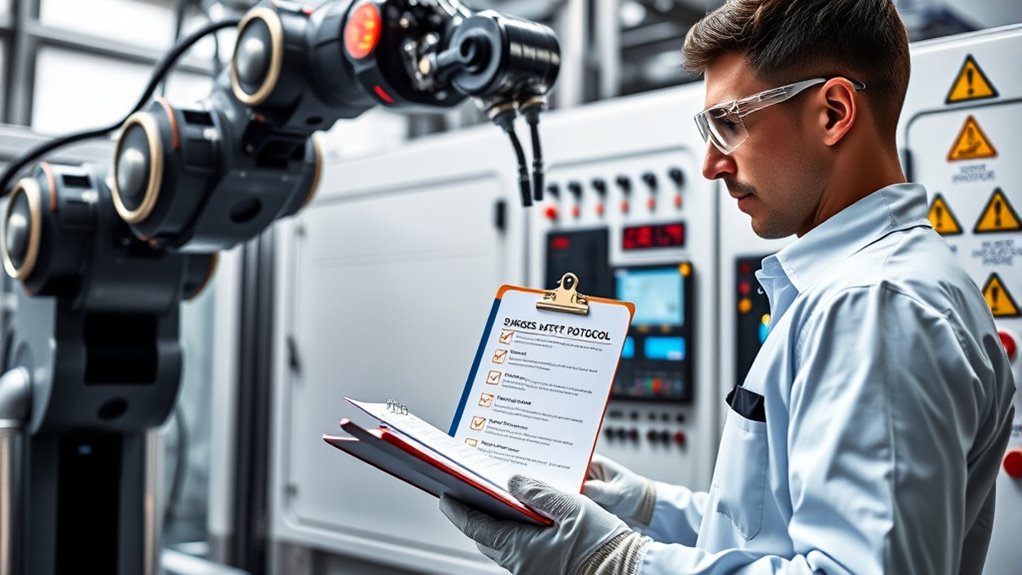
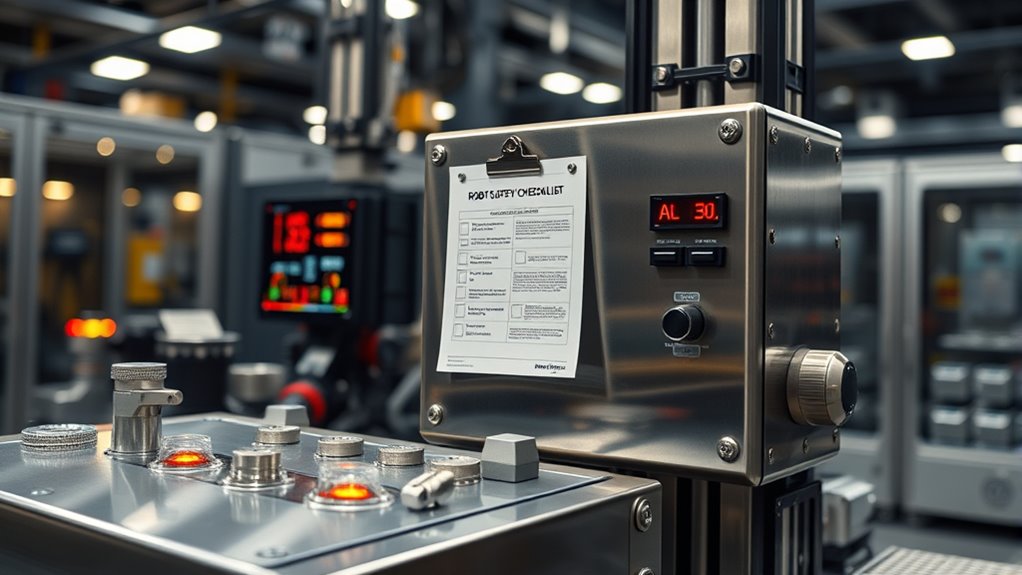
Ensuring robot safety is essential to prevent accidents and protect workers in automated environments. As an operator, your role is crucial in maintaining a safe workspace, which begins with thorough preparation and adherence to established safety protocols. Regular robot maintenance is a fundamental part of this process; it guarantees the machinery operates smoothly and reduces the risk of unexpected failures that could lead to injuries. Before starting any operation, you should inspect the robot for signs of wear or damage, check for loose components, and confirm that safety guards are securely in place. Following a detailed safety checklist helps you identify potential hazards early and prevents oversight that might compromise safety.
Implementing strict safety protocols is vital to creating a secure environment. These protocols often include shutting down the robot and disconnecting power sources during maintenance or inspection. Always verify that the robot is fully powered off and cannot accidentally restart before you begin any work. Use lockout/tagout procedures to guarantee the robot remains de-energized during maintenance, preventing accidental activation that could cause injury. Additionally, wearing appropriate personal protective equipment (PPE), such as gloves, eye protection, and safety shoes, is essential when conducting inspections or repairs. This protective gear acts as a barrier against moving parts, sharp edges, or electrical components that might pose hazards.
It’s also important to familiarize yourself with emergency stop functions and confirm they are accessible and functioning correctly. Quick access to emergency stops allows you to halt robot operation immediately if something goes wrong. During routine checks, test these emergency controls to ensure they respond properly. Keep your workspace organized, and clear of unnecessary tools or obstructions that could interfere with safe robot operation or emergency responses. Proper lighting and signage also play a role in creating awareness and reducing accidental contact with moving parts. Incorporating mindfulness techniques such as focused attention and situational awareness can further improve safety by helping operators stay alert to potential hazards.
In addition to physical checks, reviewing and updating safety protocols regularly helps you stay aligned with the latest safety standards and manufacturer recommendations. Document any issues discovered during inspections and report them promptly to maintenance teams or supervisors. This proactive approach helps address potential problems before they escalate into accidents. By consistently following these steps—performing diligent robot maintenance, adhering to safety protocols, and staying vigilant—you contribute greatly to a safe working environment. Your proactive measures not only protect yourself but also safeguard your colleagues, fostering a culture of safety in your automated workplace.
robot safety inspection checklist
As an affiliate, we earn on qualifying purchases.
As an affiliate, we earn on qualifying purchases.
Frequently Asked Questions
How Often Should Safety Checklists Be Reviewed and Updated?
You should review and update safety checklists regularly, ideally every 6 to 12 months, to guarantee they stay effective. Incorporate preventive maintenance insights and optimize the checklist based on recent operational experiences. Regular reviews help identify new hazards and improve safety protocols, keeping operators protected. By continuously refining your checklists, you promote a safer work environment and reduce potential robot-related risks.
Who Is Responsible for Conducting Safety Checks on Robots?
You’re responsible for conducting safety checks on robots, ensuring they follow proper safety protocols. While it might seem intimidating, regular robot maintenance and thorough inspections prevent accidents and keep operations smooth. By actively performing safety checks, you help identify issues early, reducing downtime. Remember, staying vigilant and adhering to safety protocols isn’t just about compliance; it’s about protecting yourself and your team from potential hazards.
What Training Is Required Before Performing Safety Inspections?
Before performing safety inspections, you need to complete proper training that covers robot certification and hazard identification. This training guarantees you understand safety protocols, recognize potential hazards, and know how to inspect robots effectively. You should also be familiar with manufacturer guidelines and safety standards. By doing so, you’ll confidently identify issues and maintain a safe working environment, reducing risks and ensuring compliance with safety regulations.
How Are Safety Checklist Compliance Records Maintained?
You maintain safety checklist compliance records by accurately documenting each robot maintenance and inspection, noting hazard identification steps taken. Use digital or paper logs to record the date, findings, and actions performed during safety checks. Regularly review these records to guarantee adherence to safety protocols, identify recurring hazards, and verify that all maintenance tasks are completed. Consistent record-keeping helps prevent accidents and keeps your workspace compliant with safety standards.
What Are Common Signs of Robot Malfunction During Checks?
Did you know that 85% of robot malfunctions involve sensor issues? During checks, you should watch for unexpected stops, irregular movements, or error alerts. Signs like erratic behavior or inability to respond may indicate sensor problems, risking emergency shutdowns. By catching these signs early, you prevent accidents and ensure smooth operation. Regular inspections help you identify issues before they escalate, keeping both workers and equipment safe.
Conclusion
By following these robot safety checklists, you help prevent accidents and ensure smooth operations. Did you know that workplaces with strict safety protocols see up to a 40% reduction in robot-related injuries? Staying vigilant and adhering to safety steps keeps both you and your team protected. Make safety your top priority, and you’ll create a safer, more efficient environment where everyone can work confidently around robots. Your commitment makes all the difference.
Fall Picks
fall essentials
As an affiliate, we earn on qualifying purchases.