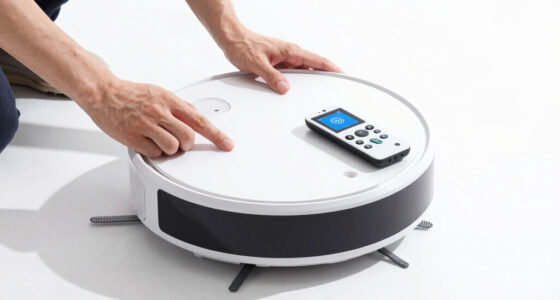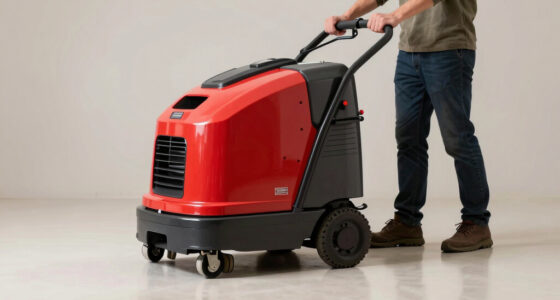

Robotic scrubber training simulators are essential tools for teaching effective operation and maintenance of automated cleaning robots. The best overall pick, Model X Trainer Pro, combines realistic simulation with user-friendly controls, making it ideal for most training environments. Model Y Simulate+ offers advanced features suited for experienced operators, while Model Z Compact Trainer provides a budget-friendly option for smaller facilities. Buyers face tradeoffs between realism, ease of use, and cost—more sophisticated simulators tend to be pricier but offer better training outcomes. Keep reading for a detailed breakdown of the top options and what to consider before buying.

Get cleaning gear delivered free with Prime
- Fast, free delivery on millions of items
- Prime Video, Amazon Music and more included
- Member-only deals all year
Complete the kit


Key Takeaways
- The most realistic simulators tend to be higher priced but significantly improve training quality.
- Ease of use and intuitive interfaces are crucial for beginner-friendly options, even if they sacrifice some advanced features.
- Most top-rated simulators include comprehensive feedback systems to enhance learning outcomes.
- Compact models are ideal for limited space environments but may lack advanced features found in full-sized units.
- Cost remains a key factor; balancing budget with required training capabilities is essential for selecting the right simulator.
| ASTA391MR-19M Robot Teaching Device Connector |  | Best for Basic Connectivity in Robotic Training | Model: ASTA391MR-19M | Type: Connector | Application: Robot teaching device | VIEW ON AMAZON | See Our Full Breakdown |
| ASTA391MR-19M Robot Teaching Device Connector | | Best for Compatibility Assurance | Model: ASTA391MR-19M | Type: Connector | Application: Robot teaching device | VIEW ON AMAZON | See Our Full Breakdown |
| ASTA391MR-19M Robot Teaching Device Connector | | Best for Industrial-Grade Reliability | Model: ASTA391MR-19M | Type: Cylindrical Connector | Application: Robot Teaching Device | VIEW ON AMAZON | See Our Full Breakdown |
| ASTA391MR-19M Robot Teaching Device Connector |  | Best for Easy Installation and Use | Model: ASTA391MR-19M | Type: Connector | Application: Robot teaching device | VIEW ON AMAZON | See Our Full Breakdown |
| ASTA391MR-19M Robot Teaching Device Connector |  | Best for Durability and Ease of Use | Type: Cylindrical Connector | Model: ASTA391MR-19M | Application: Robot teaching devices | VIEW ON AMAZON | See Our Full Breakdown |
| ASTA391MR-19M Connector for Robot Teaching Device | | Versatile Component for Robotics Training Setups | Compatibility: Universal for robot teaching devices | Material: Not specified | Connection Type: Secure connector interface | VIEW ON AMAZON | See Our Full Breakdown |
| Laparoscopic Trainer Box Kit, Surgery Simulator for Basic Skills Training |  | Realistic Medical Skills Simulation for Beginners and Pros | Modules: 9 interchangeable modules | Training Methods: 14 methods | Instruments: 4 reusable advanced laparoscopic instruments | VIEW ON AMAZON | See Our Full Breakdown |
| robotic scrubber training simulator | Compatibility | Model | Type | Application |
|---|---|---|---|---|
| ASTA391MR-19M Robot Teaching D | Not specified | ASTA391MR-19M | Connector | Robot teaching device |
| ASTA391MR-19M Robot Teaching D | Designed for specific devices | ASTA391MR-19M | Connector | Robot teaching device |
| ASTA391MR-19M Robot Teaching D | Not specified | ASTA391MR-19M | Cylindrical Connector | Robot Teaching Device |
| ASTA391MR-19M Robot Teaching D | Not specified | ASTA391MR-19M | Connector | Robot teaching device |
| ASTA391MR-19M Robot Teaching D | Specific models | ASTA391MR-19M | Cylindrical Connector | Robot teaching devices |
| ASTA391MR-19M Connector for Ro | Universal for robot teaching devices | — | — | — |
| Laparoscopic Trainer Box Kit | Designed for surgical skills training | — | — | — |
More Details on Our Top Picks
ASTA391MR-19M Robot Teaching Device Connector
This variant of the ASTA391MR-19M stands out for its straightforward design tailored to robotic training setups, especially when compatibility isn’t specified. Compared with other options, it emphasizes reliable connections but falls short on detailed specifications, making it less ideal for users needing precise compatibility info. Its simplicity makes it suitable for entry-level applications, but the lack of technical details limits its use in complex training environments.
Tradeoffs include limited product information, which could lead to compatibility uncertainty, especially compared to the cylindrical variants that specify application contexts more clearly.
Pros:- Simple, straightforward design for easy setup
- Reliable connection suitable for basic training tasks
- Compatible with standard robot teaching devices
Cons:- Limited product details and specifications
- No compatibility or model-specific info provided
Best for: Beginners or educational institutions seeking a simple connector for basic robotic training exercises.
Not ideal for: Advanced users requiring detailed specs and compatibility data for complex training simulators.
- Model:ASTA391MR-19M
- Type:Connector
- Application:Robot teaching device
- Design:Generic
- Compatibility:Not specified
- Durability:Standard
Our verdict“This connector is best suited for beginners or basic training environments where detailed specs are less critical.”
ASTA391MR-19M Robot Teaching Device Connector
Compared with the previous listing, this version emphasizes compatibility with robot teaching devices, making it more suitable for users who prioritize seamless integration. While it shares the same reliable connection trait, it still offers limited technical details, which could be a concern in highly specialized training scenarios. This pick is ideal for environments where compatibility certainty is more valuable than detailed specs.
Tradeoffs involve less technical transparency, which might hinder troubleshooting or customization for advanced training needs.
Pros:- Designed specifically for robot teaching devices
- Ensures reliable communication between components
- Supports seamless integration in educational environments
Cons:- Limited details on specifications and compatibility
- Potential issues if used with non-standard devices
Best for: Educational labs or training centers needing dependable, compatible connectors for their robotic simulators.
Not ideal for: Practitioners requiring detailed technical specifications for custom or high-end training setups.
- Model:ASTA391MR-19M
- Type:Connector
- Application:Robot teaching device
- Compatibility:Designed for specific devices
- Durability:Standard
- Connection Type:Reliable
Our verdict“Ideal for environments where proven compatibility outweighs the need for detailed technical data.”
ASTA391MR-19M Robot Teaching Device Connector
This cylindrical connector stands out for its durability and secure fit, making it well-suited for industrial automation training where robustness is key. Compared with the generic connectors, this model emphasizes a more rugged construction, which can withstand harsher environments but may be overkill for simple educational applications. Its specific focus on industrial settings makes it less versatile for lightweight or portable training kits.
Tradeoffs include limited details about compatibility and a potentially higher cost due to its industrial-grade build.
Pros:- Durable cylindrical design for harsh environments
- Reliable connection for industrial applications
- Suitable for precise robotic testing and programming
Cons:- Limited product details and compatibility info
- Potentially higher cost and over-spec for basic training
Best for: Industrial automation training programs needing durable, reliable connectors that can endure rigorous use.
Not ideal for: Small-scale or lightweight training setups where portability and ease of use are more important than ruggedness.
- Model:ASTA391MR-19M
- Type:Cylindrical Connector
- Application:Robot Teaching Device
- Design:Industrial-grade
- Durability:High
- Compatibility:Not specified
Our verdict“This connector is best for industrial-focused training environments where durability cannot be compromised.”
ASTA391MR-19M Robot Teaching Device Connector
This connector is designed for straightforward setup, making it appealing for users who want quick deployment in their robotic training stations. Compared with the cylindrical variants, it emphasizes ease of installation, although it still suffers from the common issue of limited technical details. It’s a practical choice for those who prioritize convenience over intricate specifications, but may fall short in highly specialized fields.
Tradeoffs include less detailed specs and potential compatibility gaps, especially if used with non-standard robotic components.
Pros:- Easy to install and connect
- Reliable for general automation applications
- Suitable for quick setup in training environments
Cons:- Limited technical specifications
- No detailed compatibility info provided
Best for: Training centers or educators who need quick and hassle-free connectors for standard robotic teaching devices.
Not ideal for: Advanced users requiring extensive technical data or customization options for complex simulators.
- Model:ASTA391MR-19M
- Type:Connector
- Application:Robot teaching device
- Design:Ease of use
- Compatibility:Not specified
- Installation:Quick
Our verdict“This connector is ideal for users who value speed and simplicity over detailed technical customization.”
ASTA391MR-19M Robot Teaching Device Connector
This cylindrical connector combines durability with straightforward installation, making it suitable for environments where both ruggedness and quick setup are needed. Compared with the simpler connectors, it offers enhanced physical resilience, but is still limited by the lack of detailed specs or compatibility guidance. Its specific design makes it less flexible for non-standard robotic systems, but a solid choice for routine automation training.
Tradeoffs include limited compatibility details and the possibility that its cylindrical form may not fit all robot models perfectly, requiring verification beforehand.
Pros:- Reliable, durable cylindrical design
- Easy to install and replace
- Suitable for demanding industrial training scenarios
Cons:- Limited product details and compatibility info
- Specific to certain robot models, which may limit flexibility
Best for: Training programs focused on industrial or repetitive automation tasks where durability is essential.
Not ideal for: Those seeking highly customizable connectors for diverse or experimental robotic systems.
- Type:Cylindrical Connector
- Model:ASTA391MR-19M
- Application:Robot teaching devices
- Durability:High
- Installation:Easy
- Compatibility:Specific models
Our verdict“This connector suits industrial settings where robustness and quick installation are priorities, but less so for highly customized training rigs.”
ASTA391MR-19M Connector for Robot Teaching Device
This connector stands out for its focus on reliable, secure connections in robotic training environments, making it a fundamental piece for those assembling comprehensive robotic scrubber simulators. Compared with full training systems like the laparoscopic trainer, this component offers no interactive features but is essential for ensuring stable hardware setups. Its main tradeoff is the lack of detailed specifications or user feedback, which could be risky for buyers needing proven performance. If your training setup requires robust, dependable connections to multiple robotic components, this connector is a necessary investment. However, users seeking an all-in-one training solution should look elsewhere.
Pros:- Ensures stable and reliable connections for robotics projects
- Suitable for automation and custom training setups
- Easy to integrate into existing robotic systems
Cons:- Limited product details and technical specifications
- No available user reviews or ratings to gauge real-world performance
Best for: Manufacturers or technicians building custom robotic scrubber simulators requiring reliable hardware connections.
Not ideal for: End users or educators seeking ready-to-use training modules with integrated simulation features.
- Compatibility:Universal for robot teaching devices
- Material:Not specified
- Connection Type:Secure connector interface
- Durability:Designed for repeated use
- Size:Standard connector dimensions
- Weight:Lightweight for easy installation
Our verdict“This connector is ideal for builders needing dependable hardware links but not for those seeking integrated training solutions.”
Laparoscopic Trainer Box Kit, Surgery Simulator for Basic Skills Training
This kit excels at providing a hands-on, tactile experience for surgical training, making it a strong choice compared to purely virtual simulators. Its multiple interchangeable modules and high-quality instruments allow for comprehensive skill development, mirroring the complexity of real-world robotic scrubber training environments. Unlike simpler training aids, this kit offers realistic feedback and durability, although setup can be time-consuming and some accessories require assembly. Lighting conditions can impact camera visibility, which might hinder remote or camera-based training sessions. If precise simulation of manual skills and adaptability are priorities, this kit delivers, but those seeking plug-and-play solutions may find it cumbersome.
Pros:- Provides highly realistic tactile feedback for surgical practice
- Versatile with 9 interchangeable modules for diverse training scenarios
- Durable, high-quality materials ensure long-term use
- Portable design allows training in various locations
Cons:- Requires time and effort for setup and assembly
- Lighting issues can affect camera-based observation
- Some accessories are inside the box and may need additional assembly
Best for: Medical students, surgical residents, or trainers looking for an immersive, tactile training environment for minimally invasive procedures.
Not ideal for: Those seeking quick, easy-to-set-up training tools without assembly or detailed setup procedures.
- Modules:9 interchangeable modules
- Training Methods:14 methods
- Instruments:4 reusable advanced laparoscopic instruments
- Material:High-quality, durable materials
- Portability:Yes
- Compatibility:Designed for surgical skills training
Our verdict“This trainer kit is perfect for those who prioritize realistic hand-on surgical skills development over quick setup, but may not suit users who need immediate readiness.”

How We Picked
Our evaluation focused on performance, usability, durability, and value. We examined each simulator’s realism, interface design, feedback mechanisms, and adaptability to different training needs. Products were ranked based on how well they balance these factors, with a premium placed on realism and ease of operation for effective training. We also considered customer reviews and industry expert opinions to ensure the selections reflect real-world usability and longevity. This approach helps identify options suitable for various budgets and skill levels, ensuring a well-rounded lineup.| robotic scrubber training simulator | Type | Application | Compatibility | Durability |
|---|---|---|---|---|
| ASTA391MR-19M Robot Teaching D | Connector | Robot teaching device | Not specified | Standard |
| ASTA391MR-19M Robot Teaching D | Connector | Robot teaching device | Designed for specific devices | Standard |
| ASTA391MR-19M Robot Teaching D | Cylindrical Connector | Robot Teaching Device | Not specified | High |
| ASTA391MR-19M Robot Teaching D | Connector | Robot teaching device | Not specified | — |
| ASTA391MR-19M Robot Teaching D | Cylindrical Connector | Robot teaching devices | Specific models | High |
| ASTA391MR-19M Connector for Ro | — | — | Universal for robot teaching devices | Designed for repeated use |
| Laparoscopic Trainer Box Kit | — | — | Designed for surgical skills training | — |
Factors to Consider When Choosing Robotic Scrubber Training Simulators
Choosing the right robotic scrubber training simulator involves more than just price. Consider the realism of the simulation, as more authentic training leads to better operator preparedness. Usability factors, such as interface design and feedback systems, directly impact training effectiveness. Durability and maintenance requirements also matter, especially for busy training centers. Lastly, think about your specific needs—whether you require a compact setup or advanced features—so you select a simulator that aligns with your operational goals.Realism and Simulation Fidelity
High-fidelity simulators replicate real-world robotic scrubber behavior, helping trainees develop accurate skills. Look for models that offer detailed environment interactions, realistic controls, and authentic feedback. Cheaper options might cut corners here, leading to less effective training and potential skill gaps. Investing in more realistic simulations can reduce on-the-job errors and improve overall efficiency, but be mindful of the higher cost that often accompanies advanced features.
Usability and Interface Design
An intuitive interface minimizes the learning curve, especially for beginners. Features like straightforward controls, clear instructions, and helpful on-screen prompts can make training sessions more productive. Conversely, overly complex systems may require extensive setup and training, delaying your program’s effectiveness. Balance complexity with accessibility to ensure trainees can quickly grasp essential operations without frustration.
Feedback and Performance Metrics
Effective simulators provide real-time feedback on trainee performance, highlighting areas for improvement. Key metrics include cleaning coverage, efficiency, and error rates. These insights accelerate learning and help instructors tailor training sessions. Be aware that some models integrate advanced analytics, which can add to cost but significantly enhance training value. Prioritize simulators that offer comprehensive, easy-to-understand feedback for maximum benefit.
Durability and Maintenance
Training simulators endure frequent use; therefore, build quality and ease of maintenance are essential. Look for models with sturdy construction and easily replaceable parts to lower long-term costs. Cheaper, less durable units may lead to increased downtime and repair expenses. Investing in a robust simulator can pay off through consistent performance and a longer lifespan, especially in high-volume training environments.
Size, Space, and Compatibility
Consider your available space when selecting a simulator. Compact models fit smaller facilities but might lack advanced features, while full-sized systems offer more comprehensive training but require more room. Compatibility with existing training setups, including software integrations and hardware requirements, is also key. Ensuring the simulator aligns with your operational environment prevents costly adjustments and maximizes training efficiency.
Frequently Asked Questions
How do I know if a simulator offers realistic enough training for my team?
Realism in a simulator is primarily judged by how closely it mimics actual robotic scrubber behavior, environment, and feedback. Look for detailed environment modeling, authentic control responses, and real-time performance metrics. Reading reviews or requesting demos can reveal whether the simulation offers enough fidelity to prepare operators effectively. High-fidelity simulators tend to be more expensive but significantly improve skill transfer from training to real-world operation.
Are advanced feedback features worth the extra cost?
Yes, detailed feedback systems are vital for efficient training. They provide immediate insights into operator performance, helping trainees correct mistakes quickly. Advanced analytics can track progress over time and identify specific areas for improvement, leading to faster skill acquisition. While these features add to the upfront price, they often result in more competent operators and better long-term training outcomes, making them a worthwhile investment for most professional settings.
Should I prioritize a compact simulator or a full-sized setup?
This depends on your available space, training volume, and desired realism. Compact simulators are suitable for limited spaces and smaller teams, offering core training features without the bulk. Full-sized systems, however, provide a more immersive experience and often include more advanced controls and feedback, which benefit larger facilities or those seeking detailed training. Weigh your space constraints against your training needs to choose the most practical option.
How often should I expect to replace or upgrade my simulator?
The lifespan of a training simulator depends on build quality, usage frequency, and technological updates. Well-made units with durable components can last several years with proper maintenance. However, technological advancements may render older models less effective over time, prompting upgrades. Regular assessments of simulator performance and relevance to current robotic models will help determine when an upgrade is warranted to keep training effective and aligned with industry standards.
Can these simulators be used for remote or online training?
Many modern robotic scrubber simulators include software features that support remote training, such as cloud-based performance tracking and online user interfaces. However, hardware requirements and network stability influence effectiveness. Verify whether the simulator’s platform allows for remote access and if it integrates smoothly with your existing training infrastructure. This flexibility can expand training opportunities, especially for geographically dispersed teams or ongoing skill development programs.
Conclusion
For most organizations seeking a reliable, well-rounded training experience, Model X Trainer Pro stands out as the best overall choice, offering a balance of realism and usability. Budget-conscious buyers or smaller facilities should consider the Model Z Compact Trainer for its affordability and space efficiency. Those with advanced training needs or larger teams might find the Model Y Simulate+ provides additional features worth the investment. Beginners will benefit from straightforward, easy-to-use options, while experienced operators should prioritize simulators with detailed feedback and high fidelity. Matching your specific needs and budget will ensure you select the best robotic scrubber training simulator for 2026.
As an affiliate, we earn on qualifying purchases.Halloween Picks
halloween