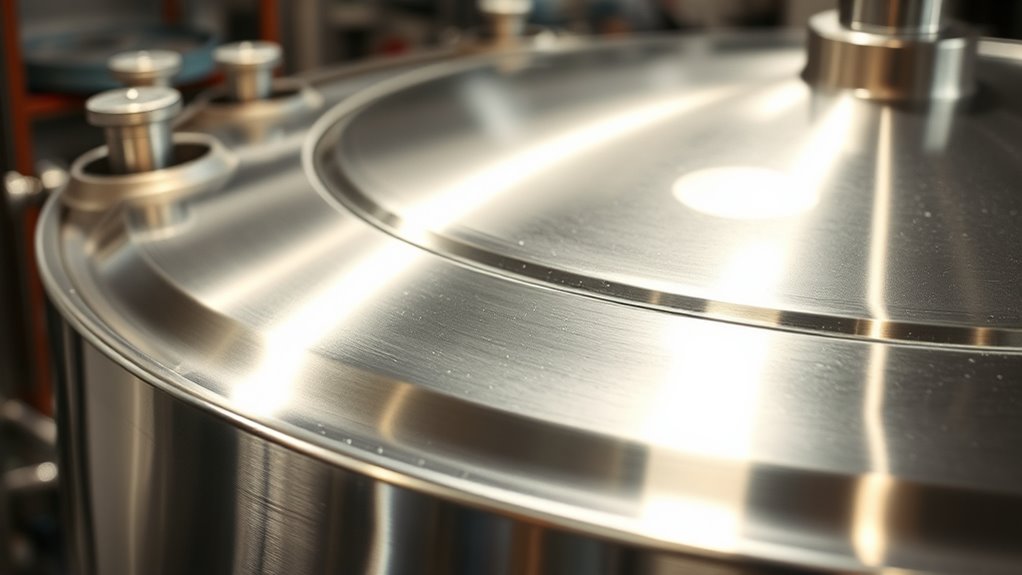

To prevent odors and biofilm buildup in your recovery tanks, it is crucial to create a regular cleaning schedule using specialized cleaning agents. Make sure to inspect your tanks for corrosion and damage, and thoroughly clean all surfaces, including hard-to-reach areas. Applying odor-neutralizing products and ensuring thorough drying after cleaning helps keep microbial growth at bay. Proper maintenance not only extends your tank’s lifespan but also boosts system efficiency—learn more about effective prevention techniques to keep your tanks in top shape.

Get cleaning gear delivered free with Prime
- Fast, free delivery on millions of items
- Prime Video, Amazon Music and more included
- Member-only deals all year
Key Takeaways
- Implement a regular cleaning schedule using specialized agents to remove organic residues and prevent biofilm buildup.
- Use odor-neutralizing products and sanitizers during cleaning to control foul smells effectively.
- Inspect tanks regularly for corrosion, damage, and signs of microbial growth, addressing issues promptly.
- Ensure thorough drying after cleaning to inhibit microbial activity and odor formation.
- Maintain proper system operation to prevent residual moisture and debris that contribute to biofilm and odor development.
Recovery tanks are vital components in many industrial and hydraulic systems, designed to store excess fluid and maintain steady pressure. Without proper management, these tanks can become breeding grounds for biofilm buildup and unpleasant odors, which can compromise system efficiency and safety. To keep your recovery tanks operating at their best, regular tank cleaning is essential. Cleaning not only removes sludge and debris but also prevents the formation of biofilms that can harbor bacteria, fungi, and other contaminants. When biofilms develop, they create a sticky, slimy surface that’s difficult to eradicate and can lead to persistent odors and contamination issues.
Odor control in recovery tanks is a key aspect of maintenance, especially if the tanks are located near work areas or in environments where smell can impact operations or employee comfort. Odors often originate from the decomposition of organic matter in residual fluids, which can intensify if tanks aren’t cleaned regularly. Implementing a systematic cleaning schedule and using specialized cleaning agents ensures that residues don’t accumulate and odors are kept at bay. Additionally, applying odor-neutralizing products or sanitizers during tank cleaning can suppress foul smells and inhibit bacterial growth, further supporting odor control efforts.
Effective odor control in recovery tanks relies on regular cleaning and odor-neutralizing treatments.
Proper tank cleaning involves more than just draining and rinsing. You should inspect the interior for signs of corrosion, damage, or persistent buildup. Use appropriate cleaning tools and methods to reach all surfaces, including hard-to-access areas. Mechanical cleaning, combined with chemical cleaning agents, can effectively remove stubborn deposits that water alone can’t eliminate. After cleaning, ensure the tank is thoroughly dried before returning it to service, as residual moisture can promote microbial activity and odor formation.
Incorporating odor control measures into your routine maintenance can considerably extend the lifespan of your recovery tanks. Regular cleaning not only improves hygiene but also enhances system performance by preventing blockages and ensuring the smooth flow of fluids. Keep in mind that neglecting tank maintenance can lead to costly repairs, system downtime, and safety hazards due to bacterial growth and foul smells. By prioritizing tank cleaning and odor control, you maintain a cleaner, safer environment while ensuring your hydraulic system functions efficiently and reliably. In the end, proactive care of your recovery tanks saves you time, money, and headaches down the line.
As an affiliate, we earn on qualifying purchases.
Frequently Asked Questions
How Often Should Recovery Tanks Be Inspected for Biofilm Buildup?
You should inspect recovery tanks for biofilm buildup at least weekly as part of your tank maintenance routine. Regular inspection helps detect early signs of biofilm, preventing odors and contamination. Keep an eye out for slimy residues or unusual odors, and clean the tanks promptly if you notice any issues. Consistent inspection frequency ensures your tanks stay clean, safe, and functioning at their best, reducing the risk of biofilm-related problems.
What Are the Best Chemical Treatments for Odor Control in Recovery Tanks?
To control odors in recovery tanks, you should use chemical disinfectants and enzyme cleaners. Chemical disinfectants effectively kill bacteria causing foul smells, while enzyme cleaners break down organic residues that lead to odor buildup. Regular application of these treatments, following manufacturer instructions, helps prevent biofilm formation and keeps your tanks smelling fresh. Combining both approaches ensures thorough odor control and maintains tank hygiene efficiently.
Can Recovery Tanks Be Used for Multiple Types of Waste Simultaneously?
You shouldn’t use recovery tanks for multiple types of waste simultaneously, as it can compromise tank compatibility and lead to cross-contamination. Proper waste segregation is essential to prevent chemical reactions, odors, and biofilm buildup. Always confirm your tanks are designated for specific waste types and thoroughly clean them between uses. This approach maintains tank integrity, reduces odors, and promotes safer, more efficient waste management practices.
How Does Temperature Affect Biofilm Formation in Recovery Tanks?
Think of biofilms as stubborn weeds that thrive in your recovery tank’s garden. When temperature regulation slips, warm conditions act like fertilizer, speeding biofilm formation and making mitigation tougher. Cooler temperatures slow growth, giving you a natural advantage. By maintaining ideal temperatures, you can effectively mitigate biofilm buildup, keeping your tank cleaner and odors at bay. Proper temperature control is your shield against the persistent threat of biofilm in recovery tanks.
Are There Eco-Friendly Options for Odor and Biofilm Prevention?
Yes, you have eco-friendly options for odor and biofilm prevention. You can use biodegradable solutions that break down naturally, reducing environmental impact. Natural enzymes are also effective as they target organic matter, preventing biofilm buildup and controlling odors without harsh chemicals. These options are safe, sustainable, and help maintain your recovery tank’s cleanliness, ensuring ideal operation while protecting the environment.
Conclusion
To keep your recovery tanks clean and odor-free, regular maintenance is key. Use proper cleaning agents and stay vigilant against biofilm buildup. Remember, “a stitch in time saves nine”—address small issues before they become big problems. By staying proactive, you’ll extend your tank’s lifespan and maintain a healthier environment. Don’t wait until odors or biofilm take over; a little effort today saves headaches tomorrow. Keep your tanks fresh and functional with consistent care.
Halloween Picks
halloween
As an affiliate, we earn on qualifying purchases.