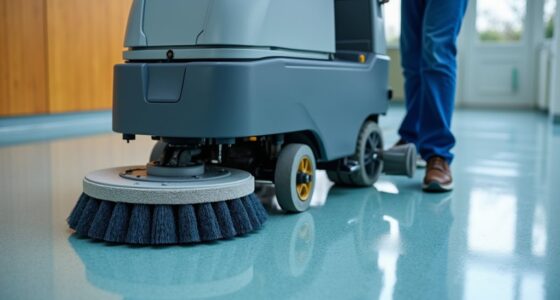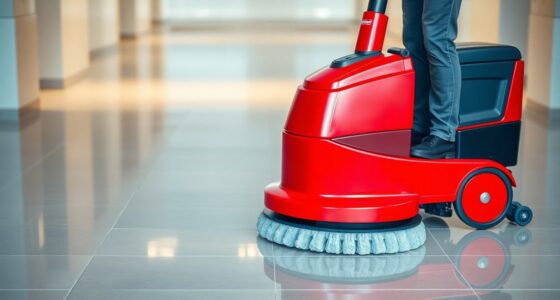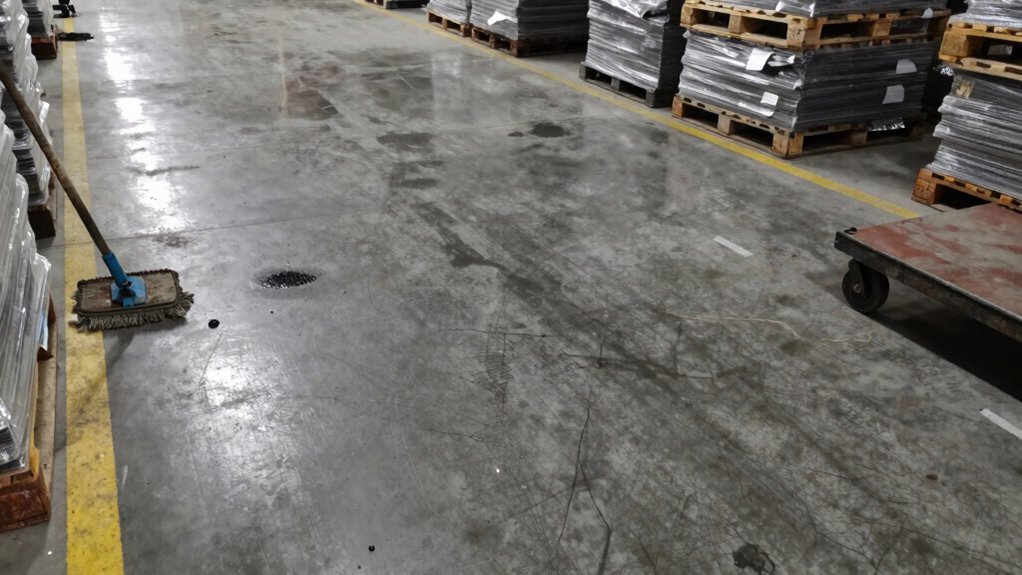

Warehouse floor cleaning involves more than just sweeping away dirt. Hidden hazards like uneven surfaces, grime, and debris can cause slips and trips, while neglecting regular checks accelerates equipment wear and increases repair costs. Coordinating cleaning during busy hours is challenging, and limited resources often lead to rushed efforts that miss spots. Staying ahead requires proactive planning, staff training, and continuous oversight. Keep exploring to discover key strategies that can help you overcome these often overlooked challenges.

Get cleaning gear delivered free with Prime
- Fast, free delivery on millions of items
- Prime Video, Amazon Music and more included
- Member-only deals all year
Key Takeaways
- Hidden hazards like uneven surfaces and grime increase safety risks beyond visible dirt.
- Cleaning during peak hours is difficult, risking rushed efforts and incomplete debris removal.
- Ongoing resource constraints can hinder consistent maintenance and hazard mitigation.
- Regular inspections and staff training are critical to sustain long-term cleanliness standards.
- Contaminants accelerate equipment wear, leading to increased downtime and repair costs.
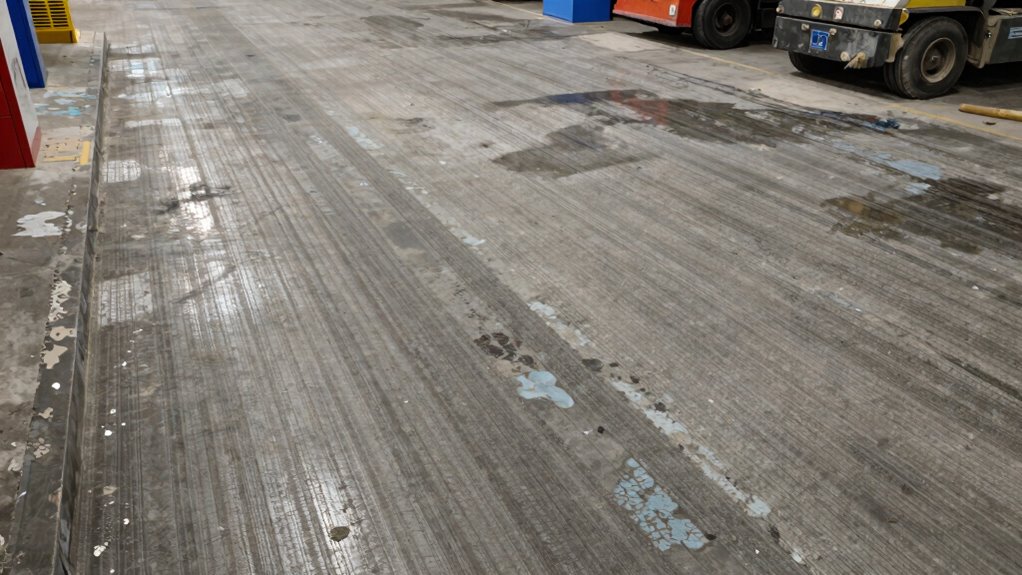
Maintaining a clean warehouse floor is essential for safety, efficiency, and overall operations, but it often presents significant challenges. One of the biggest issues you face is managing safety hazards that arise from dirt, spills, or debris left unchecked. These hazards can lead to slips, trips, and falls, which not only threaten worker safety but can also cause costly delays or injuries. It’s tempting to focus solely on visible dirt, but the hidden dangers—like uneven surfaces or accumulated grime—are just as risky. You need a systematic approach to identify and eliminate these hazards before they escalate, which often means dedicating time and resources that are already stretched thin.
A clean warehouse floor prevents hazards, improves safety, and ensures smooth operations despite ongoing challenges.
Another challenge that many overlook is how floor cleanliness impacts equipment maintenance. Dirt, dust, and debris don’t just affect the surface; they also find their way into machinery, causing unnecessary wear and tear. If you neglect regular cleaning, you risk increasing equipment downtime and repair costs. Dust particles can clog vents, contaminate moving parts, and accelerate corrosion, all of which compromise your equipment’s lifespan and performance. This creates a cycle where poor floor hygiene leads to more frequent breakdowns, which then disrupt workflows and increase operational costs. Maintaining a clean floor isn’t just about aesthetics; it’s a critical part of keeping your equipment running smoothly and reducing maintenance expenses. Additionally, neglecting proper cleaning procedures can exacerbate these issues, making regular maintenance even more crucial. Regular inspections and adherence to cleaning protocols are vital for preventing the buildup of grime that can contribute to equipment failure.
Cleaning the floor effectively also presents logistical challenges. Warehouses are busy environments, and coordinating cleaning schedules without disrupting operations can be complex. You might find yourself battling against peak hours, limited space, or the need to move stock temporarily to access certain areas. This often results in rushed cleaning efforts that don’t thoroughly address all problem spots, leaving behind residues or debris that can become safety hazards later. Additionally, the cleaning process itself can create safety risks if not managed properly—wet floors from mops or cleaning solutions can cause slips, and improper storage of cleaning chemicals can lead to accidental spills or exposure. Incorporating effective cleaning protocols can help mitigate these risks and improve overall safety. Proper planning and scheduling are essential to ensure that cleaning activities do not interfere with daily operations or compromise safety.
Finally, maintaining consistency is a challenge. It’s easy to implement a cleaning schedule initially, but over time, priorities shift, and floor maintenance can fall by the wayside. Without strict oversight, this inconsistency can cause dirt and hazards to accumulate, making the environment less safe and more difficult to manage. Regular inspections and accountability measures are vital to sustain a high standard of cleanliness over the long term. Training staff on proper cleaning techniques and safety procedures can also help uphold these standards. Overall, these hidden yet persistent challenges require proactive planning, proper resource allocation, and ongoing diligence to ensure your warehouse remains a safe, efficient, and well-maintained space.
Products Worth Considering

Samsung 85-Inch M70H Series Mini LED 4K Smart TV (2026)

Google Nest Doorbell (Wired, 2nd Gen) – Snow

Philips Hue Secure Wired Video Doorbell, 2K, Black
As an affiliate, we earn on qualifying purchases.
Frequently Asked Questions
How Often Should Warehouse Floors Be Professionally Cleaned?
You should have your warehouse floors professionally cleaned at least every 3 to 6 months. Regular cleaning helps maintain floor sealing, preventing damage from dirt and moisture. If spills or stains occur frequently, more frequent stain removal sessions are necessary. Consistent cleaning not only keeps your floors looking good but also prolongs their lifespan. Schedule professional cleanings accordingly, especially for high-traffic areas, to guarantee maximum safety and cleanliness.
What Are the Best Eco-Friendly Cleaning Solutions for Warehouses?
You should choose eco-friendly cleaning solutions like biodegradable detergents that break down naturally, reducing environmental impact. Opt for sustainable cleaning techniques, such as microfiber mops and steam cleaning, which use less water and chemicals. These methods not only keep your warehouse floors spotless but also promote sustainability. Incorporating biodegradable detergents and sustainable practices guarantees you’re effectively cleaning while minimizing harm to the environment.
How to Handle Slip Hazards During and After Cleaning?
Think of slip hazards as lurking shadows, ready to trip you up. To handle them, prioritize slip prevention by thoroughly drying floors and using slip-resistant mats, especially after cleaning. Clear clutter and mark wet areas with bright warning signs to foster hazard mitigation. Regularly inspect floors for slick spots, and train your team to stay alert. By keeping safety top of mind, you turn your warehouse into a fortress against slips and falls.
What Equipment Is Most Effective for Deep Floor Cleaning?
For deep floor cleaning, industrial mops and high-pressure washers are your best tools. Industrial mops efficiently scrub large areas, removing dirt and grime from the surface. High-pressure washers blast away stubborn stains, grease, and debris, reaching into cracks and textured surfaces. Using both guarantees thorough cleaning, improves safety, and maintains a professional environment. Invest in quality equipment to make your deep cleaning routine more effective and less time-consuming.
How to Prevent Floor Damage From Heavy Machinery During Cleaning?
To prevent floor damage from heavy machinery during cleaning, you should focus on protecting the floor surface and machinery. Use protective mats or pads under heavy equipment to distribute weight evenly and reduce impact. Regularly inspect the floor for cracks or weak spots, and guarantee machinery is well-maintained to avoid leaks or spills that could damage the surface. Training operators on proper handling also helps safeguard both the floor and machinery.
Conclusion
So, next time you’re dodging spills and tripping over stray pallets, remember—warehouse floor cleaning isn’t just about shiny surfaces. It’s a high-stakes game of hide-and-seek with dirt, a never-ending battle against chaos, and a test of patience for even the bravest. But hey, who needs a spotless floor when you’ve got the thrill of the daily cleaning adventure? Embrace the chaos—after all, it’s what keeps the warehouse exciting!