
Hospital corridor cleaning is different because it targets high-traffic areas where germs spread easily. You need to use hospital-grade disinfectants on touchpoints like handrails, door handles, and elevator buttons. It’s vital to follow strict protocols, wear proper PPE, and guarantee quick, effective cleaning that prevents infections without disrupting hospital activities. Maintaining these standards safeguards patients and staff alike. Keep going to discover more about what makes this cleaning so important.
Key Takeaways
- Uses hospital-grade disinfectants effective against bacteria, viruses, and airborne pathogens.
- Follows strict infection control protocols, including PPE use and proper waste disposal.
- Focuses on high-touch surfaces like handrails and door handles for targeted sanitization.
- Incorporates deep cleaning techniques to reach hidden germ-prone areas.
- Balances efficiency with thoroughness to minimize disruption while maintaining hygiene standards.

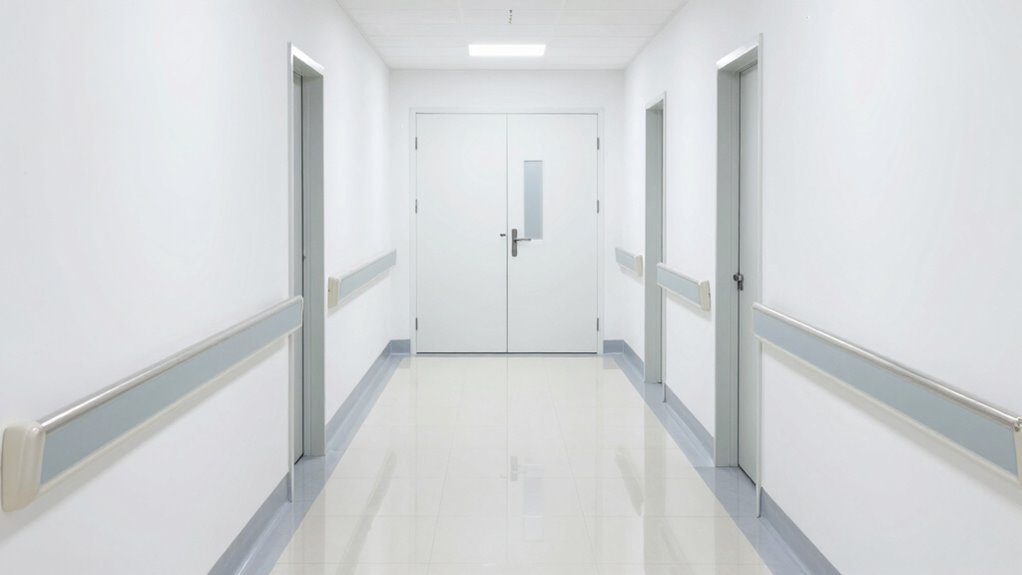
Maintaining a clean hospital corridor is essential for ensuring a safe and welcoming environment for patients, staff, and visitors. When it comes to hospital corridor cleaning, you’re not just tidying up; you’re actively supporting patient safety and infection control. Corridors are high-traffic areas where pathogens can spread easily if not properly maintained. That’s why cleaning in this space demands more than regular dusting or sweeping. You need targeted, thorough cleaning practices that eliminate germs and reduce the risk of infections spreading through contact or airborne particles.
Maintaining clean hospital corridors is vital for safety, infection control, and a welcoming environment for all.
Because corridors connect various parts of the hospital, you play a critical role in preventing cross-contamination. You must use hospital-grade disinfectants proven effective against a broad spectrum of microbes, including bacteria and viruses. These disinfectants need to be applied meticulously on surfaces that are frequently touched—handrails, door handles, elevator buttons, and light switches. Ensuring these surfaces are sanitized regularly helps protect vulnerable patients, staff, and visitors from potential infection sources. Your attention to detail directly impacts patient safety, especially for those with compromised immune systems who are more susceptible to hospital-acquired infections.
The cleaning process must adhere to strict protocols, often guided by infection control standards. This means following specified procedures for cleaning schedules, using the correct tools, and wearing personal protective equipment (PPE) to prevent the spread of infectious agents. You should also understand the importance of proper waste disposal and cleaning equipment after each use to prevent contamination. Additionally, hospital corridors can have hidden germs in less obvious places, like underneath furniture or in corners, so your thoroughness is critical. Incorporating deep cleaning protocols can effectively target hard-to-reach areas and eliminate embedded pathogens, further enhancing sanitation efforts. Regular disinfection procedures are essential to remove pathogens from hard-to-reach areas and ensure comprehensive sanitation. Incorporating appropriate cleaning tools can significantly enhance the effectiveness of disinfection efforts and reduce the risk of contamination.
Furthermore, hospital corridor cleaning is different because it requires a balance of efficiency and effectiveness. You often need to clean during limited windows of time to minimize disruption to hospital operations. This means working swiftly, yet never compromising on the quality of disinfection. Ensuring the use of infection control standards and protocols is vital to maintaining a sterile environment. Your role is essential in maintaining a sterile environment that upholds the highest standards of infection control. When you do your job well, you’re not just cleaning—you’re actively helping to prevent hospital-acquired infections and safeguarding patient health. Your efforts contribute to a safer hospital environment where everyone feels confident that their wellbeing is a top priority.
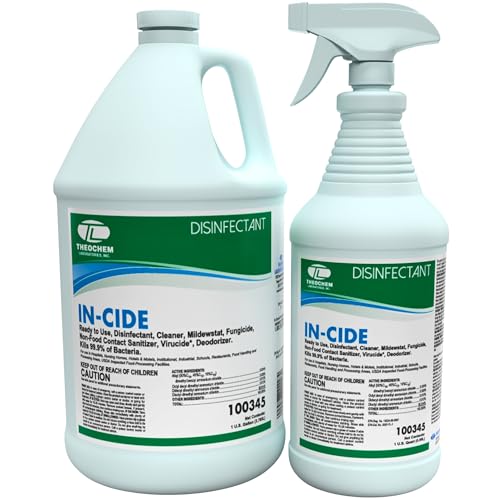
Theochem In-Cide Hospital Grade Disinfectant, 1 Gal + 32 oz Bundle
- EPA-Registered Hospital-Grade Disinfectant: Kills 99.9% of viruses and bacteria
- Effective Against MRSA and H1N1: Trusted for professional-grade cleaning
- Fast-Acting Disinfection: Disinfects surfaces in 10 minutes
As an affiliate, we earn on qualifying purchases.
As an affiliate, we earn on qualifying purchases.
Frequently Asked Questions
How Often Should Hospital Corridors Be Cleaned for Optimal Hygiene?
You should clean hospital corridors at least twice daily to maintain *adequate* hygiene and promote patient comfort. Regular cleaning prevents the buildup of germs, especially in high-traffic areas influenced by corridor design. By keeping these spaces spotless, you reduce infection risks and enhance the overall environment. Frequent cleaning also *guarantees* corridors remain welcoming and safe, supporting both patient well-being and staff efficiency.
What Cleaning Agents Are Safest for Hospital Corridor Surfaces?
Think of hospital corridors as delicate ecosystems. You wanna protect them, so you choose eco-friendly disinfectants and non-toxic cleaning agents. These safer options safeguard both patients and staff while effectively eliminating germs. Unlike harsh chemicals, they’re gentle on surfaces and the environment. By picking the right cleaning agents, you guarantee a hygienic, safe space that promotes healing and well-being, all without compromising safety or sustainability.
How Do Cleaning Protocols Prevent Cross-Contamination in Corridors?
You prevent cross-contamination in corridors through effective disinfection techniques and corridor traffic management. By regularly disinfecting high-touch surfaces with hospital-grade disinfectants, you eliminate germs. Additionally, managing corridor traffic ensures fewer people cross paths, reducing contamination risk. Clear signage and designated pathways direct movement efficiently, minimizing contact. These protocols create a safer environment by controlling contamination spread, ultimately protecting patients, staff, and visitors from healthcare-associated infections.
Are There Specific Certifications Required for Corridor Cleaning Staff?
Yes, corridor cleaning staff typically need specialized certifications to guarantee proper infection control. These certifications demonstrate their knowledge of cleaning protocols, safety procedures, and the use of specialized equipment. You should verify that staff have relevant credentials, such as OSHA training or hospital-specific certifications. This training ensures they handle cleaning tasks effectively, maintain hygiene standards, and prevent cross-contamination, ultimately safeguarding patient and staff health.
How Is Staff Trained for Infection Control During Corridor Cleaning?
You receive thorough staff training focused on infection prevention, ensuring everyone understands proper cleaning protocols and the importance of infection control. Your team learns to use appropriate disinfectants, wear protective gear, and follow strict hand hygiene practices. Regular updates and practical demonstrations keep staff informed about the latest infection prevention techniques. This dedicated training minimizes cross-contamination, maintains a sterile environment, and ultimately safeguards patient and staff health during corridor cleaning.
Conclusion
In the essential world of hospital corridor cleaning, your diligent dedication dramatically diminishes dirt and danger. By embracing meticulous methods, you guarantee safer spaces and stronger health for all who pass through. Your careful cleaning creates clean corridors, calming chaos, and cultivating comfort. With every sweep and sanitized surface, you foster a fresher, friendlier facility. So keep up your critical, conscientious work—because in this clean, caring corridor, everyone’s well-being wins.