
When selecting PPE for chemical handling, it’s vital to match the gear to the specific chemicals you’re working with, guaranteeing the materials resist chemical penetration. Look for gloves, suits, and goggles made from durable materials like nitrile, neoprene, or latex, and inspect them regularly for wear or damage. Proper maintenance and storage extend their lifespan and effectiveness. If you want to make certain you’re making the best choices for safety, there’s more to consider to protect yourself and your team.

Get cleaning gear delivered free — and shop member deals
- Fast, free delivery on millions of items
- Access to Prime Big Deal Days deals on October 6–7
- Prime Video, Amazon Music and more included
Key Takeaways
- Match PPE materials to specific chemicals to ensure effective resistance and protection.
- Regularly inspect and maintain PPE to prevent degradation and ensure safety standards.
- Select PPE designed for chemical penetration resistance based on the chemicals handled.
- Incorporate advanced, durable PPE to reduce replacement costs and enhance safety.
- Store and clean PPE properly to extend its lifespan and maintain its protective properties.
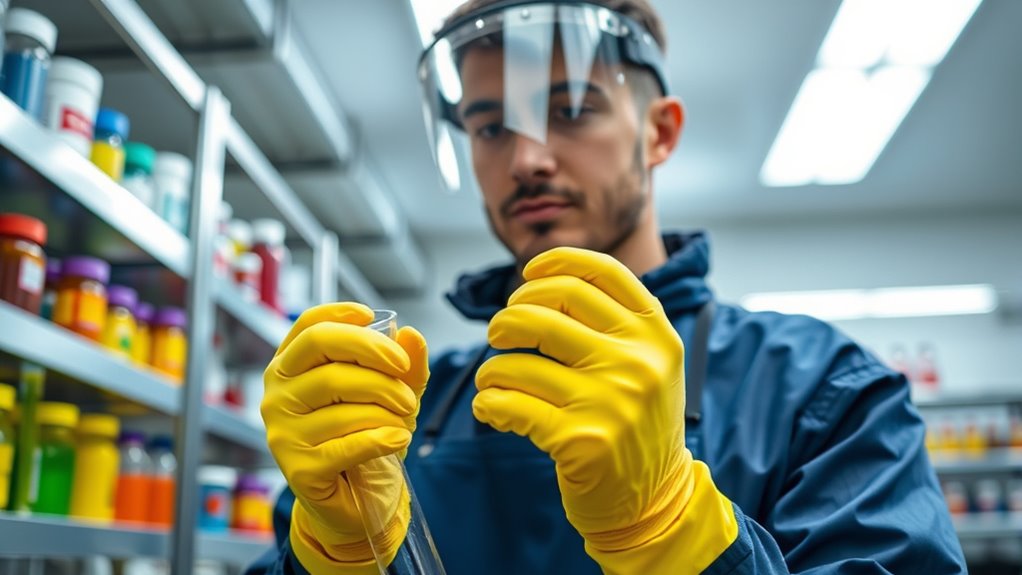
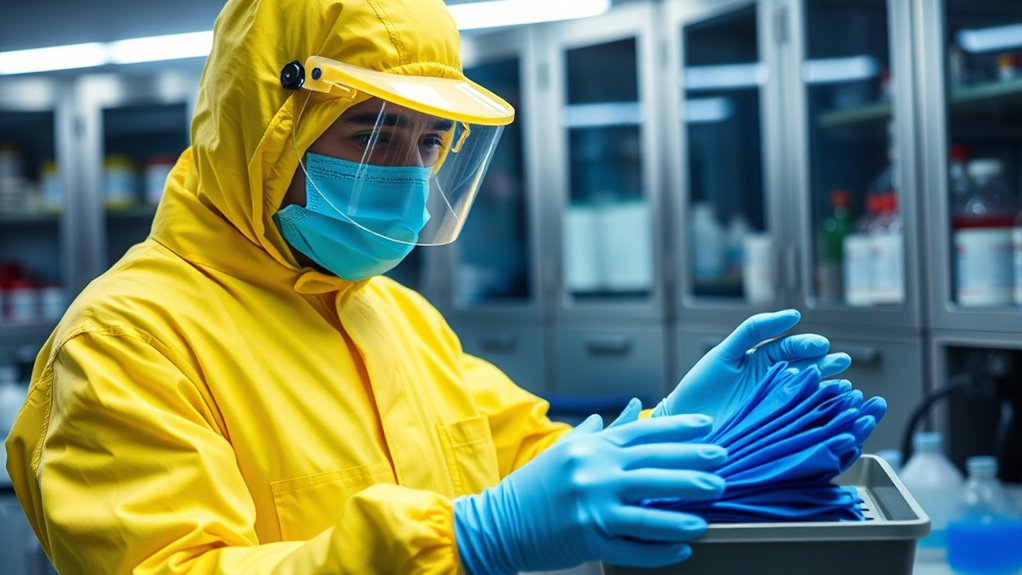
When handling chemicals, selecting the right personal protective equipment (PPE) is crucial to guarantee your safety. Your choice of PPE directly influences how well you’re protected against potential hazards, and understanding the importance of chemical resistance can make all the difference. Not all PPE offers the same level of protection, so you need gear that’s specifically designed to withstand exposure to the chemicals you’re working with. For example, if you’re dealing with acids or solvents, you’ll want gloves and suits made from materials that resist chemical penetration, such as latex, neoprene, or nitrile. The durability and chemical resistance of your PPE ensure that harmful substances don’t seep through, reducing the risk of skin contact and subsequent health issues.
Equally important is PPE maintenance. Proper maintenance extends the lifespan of your protective gear and guarantees it continues to provide the right level of protection. Regularly inspecting your PPE for signs of wear, such as tears, cracks, or degradation, is essential. Damaged equipment can compromise your safety, so replace or repair items promptly. Cleaning PPE after each use is equally critical; residues from chemicals can weaken materials over time and cause deterioration if not properly removed. Use appropriate cleaning agents compatible with the PPE material to avoid compromising its chemical resistance. Store your PPE in a clean, dry area away from direct sunlight and chemicals to prevent unnecessary degradation. Additionally, advancements in automation technology are influencing the design and durability of PPE, making it more resistant to harsh chemical environments. Consistent PPE maintenance not only preserves its protective qualities but also ensures compliance with safety standards, reducing liability and fostering a safer working environment.
When selecting PPE, don’t just focus on the initial fit and comfort—consider how well it maintains its protective qualities over time. For instance, some gloves may feel flexible at first but could lose their integrity after multiple uses or exposure to chemicals. By understanding the importance of chemical resistance, you can choose gear that offers lasting protection, minimizing the need for frequent replacements. Additionally, investing in high-quality PPE with proven chemical resistance can save you money in the long run, as it reduces the risk of accidents and equipment failure.
chemical resistant nitrile gloves
As an affiliate, we earn on qualifying purchases.
As an affiliate, we earn on qualifying purchases.
Frequently Asked Questions
How Often Should PPE Be Inspected and Replaced?
You should regularly check your PPE to guarantee safety. The inspection frequency depends on how often you use it and exposure risks, but a good rule is to inspect before each use. Follow the replacement schedule recommended by the manufacturer, and replace PPE immediately if you notice damage, wear, or contamination. Staying vigilant helps protect you and ensures your PPE remains effective when handling chemicals.
Can PPE Be Reused After Chemical Exposure?
Can PPE be reused after chemical exposure? It depends. You should evaluate chemical resistance, PPE maintenance, and the type of chemical involved. If the PPE shows signs of damage, degradation, or contamination, don’t reuse it—dispose of it properly. Regular inspections help determine if it remains safe. Always follow manufacturer guidelines and your workplace protocols to secure safety and effective protection after chemical contact.
What Training Is Required for Proper PPE Use?
You need proper training to use PPE effectively. This includes understanding how to guarantee a proper fit for maximum protection and knowing how to store PPE correctly when not in use. Your training should cover inspecting PPE for damage, donning and doffing procedures, and maintenance routines. By mastering these skills, you protect yourself from chemical hazards and extend the lifespan of your equipment.
How Do I Dispose of Contaminated PPE Safely?
Imagine carefully sealing a contaminated glove like a fragile treasure, ensuring no leaks. To dispose of contaminated PPE safely, follow proper PPE disposal methods by placing it in designated, clearly marked hazardous waste containers. Adhere to chemical contamination protocols, which include sealing and labeling PPE before disposal. Always wash your hands thoroughly afterward. This careful process keeps you and others protected from harmful chemical exposure and environmental contamination.
Are There Specific PPE Standards for Different Chemicals?
You should always check if the PPE material is compatible with the specific chemicals you’re handling, as different chemicals require different levels of protection. PPE standards vary based on chemical compatibility; for instance, some materials resist acids while others do not. Always consult safety data sheets and manufacturer guidelines to confirm your PPE is suitable for the chemicals you’re working with, reducing risk and ensuring safety.
Conclusion
Remember, selecting the right PPE is like putting on armor before a battle—you need protection tailored to the threat. I once saw a worker switch from basic gloves to full chemical-resistant gear and avoid a serious injury. Data shows proper PPE reduces chemical-related injuries by over 60%. Don’t underestimate the power of good protection; it’s your first line of defense. Stay vigilant, choose wisely, and keep yourself safe in every chemical handling task.
Fall Picks
fall essentials
As an affiliate, we earn on qualifying purchases.