The best times to scrub busy floors are during low-traffic periods, like early mornings or late evenings, when fewer people are around. This minimizes disruptions and allows for a more thorough clean. Coordinating with staff schedules guarantees you’re working when help is available, and understanding daily foot traffic patterns will help you choose the ideal window. Keep these tips in mind to optimize your cleaning routine and discover more effective strategies.
Key Takeaways
- Schedule cleaning during early mornings or late evenings to minimize disruption and maximize thoroughness.
- Align cleaning times with low foot traffic periods identified through traffic pattern analysis.
- Coordinate with staff shifts to ensure adequate personnel and avoid operational interference.
- Perform cleaning during off-peak hours to reduce debris, dirt, and dust, improving efficiency.
- Use strategic timing to maintain hygiene standards without interrupting daily activities.
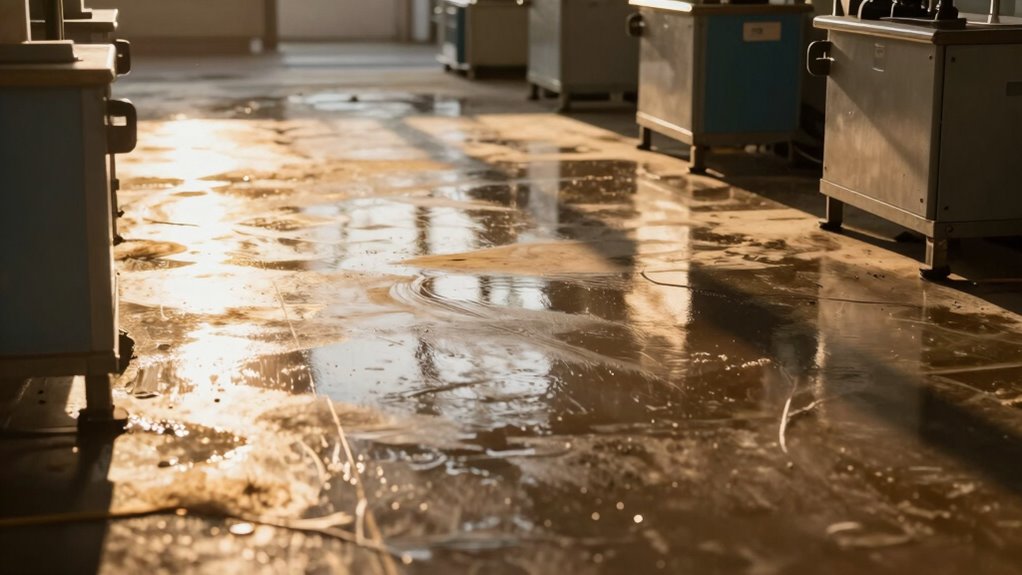
Cleaning busy floors requires strategic timing to minimize disruptions and maximize effectiveness. When you plan your cleaning schedule, it’s vital to take into account the flow of foot traffic and the availability of your staff. The goal is to find a time when the floors are least used, so cleaning doesn’t interfere with daily operations, yet your team is available to do the job efficiently. Successful cleaning hinges on aligning your schedules with staff availability, ensuring you have enough personnel on hand without overburdening your team during peak times.
Schedule cleaning during low-traffic times, aligning with staff availability for efficient, unobtrusive maintenance.
Early mornings or late evenings often serve as the ideal windows for scrubbing busy floors. During these times, foot traffic is usually at its lowest, especially in commercial spaces, schools, or retail outlets. By scheduling cleaning during off-peak hours, you reduce the risk of hindering customers, students, or employees. It’s also easier to mobilize your staff before or after busy hours, allowing for more thorough cleaning without feeling rushed. Plus, fewer people on the floor means less debris, dust, and dirt to contend with, making your cleaning process more efficient and effective.
Another factor to take into account is staff availability. If your team’s shifts are structured around specific hours, plan your cleaning routines accordingly. For example, if your staff works primarily during the day, scheduling cleaning tasks early in the morning or late in the evening ensures their presence without disrupting their primary responsibilities. Conversely, if you have cleaning personnel working overnight, late-night or early-morning slots can be ideal. The key is to coordinate with your staff’s schedules to prevent overlaps and ensure that enough personnel are available to handle the cleaning thoroughly. Recognizing the patterns of foot traffic can help you identify the most optimal times for cleaning.
In short, the best times to scrub busy floors are when foot traffic is at its lowest and your staff is available. Planning your cleaning schedules around these factors ensures you achieve a high standard of cleanliness without interrupting daily activities. By intelligently aligning your cleaning routines with staff availability and the natural ebb and flow of activity, you can keep your floors spotless and your operations running smoothly. A well-planned schedule based on traffic patterns can significantly improve cleaning efficiency and overall workplace hygiene. Being aware of peak activity times can further refine your scheduling to optimize cleanliness and operational flow.

KeFanta Commercial Mop Heavy Duty Industrial Mop with Long Handle,60" Looped-End String Wet Cotton Mops for Floor Cleaning,Home,Kitchen,Office,Garage and Concrete/Tile Floor
👍Heavy Duty Commercial Industrial Grade Wet Mops— The string wet mop with 1 x 57.5" long stainless steel…
As an affiliate, we earn on qualifying purchases.
As an affiliate, we earn on qualifying purchases.
Frequently Asked Questions
How Often Should I Scrub Busy Floors for Optimal Cleanliness?
You should scrub busy floors at least once or twice daily, depending on traffic patterns. Establish a cleaning schedule that aligns with peak foot traffic times to maintain best cleanliness. High-traffic areas need more frequent attention, especially during busy hours, to prevent dirt buildup and safety hazards. Regular cleaning keeps the floors looking their best and minimizes bacteria, ensuring a safer environment for everyone.
Are There Specific Cleaning Products Best Suited for Busy Floors?
Think of your cleaning routine as a symphony—choosing the right instruments makes all the difference. For busy floors, you should reach for eco-friendly solutions that protect your space and the environment, combined with commercial-grade cleaners that tackle tough grime with finesse. These products work in harmony, ensuring your floors shine brilliantly without harsh chemicals, giving you a cleaner, healthier space that sings with cleanliness.
How Can I Prevent Slipping During Floor Cleaning at Peak Times?
To prevent slipping during peak cleaning times, focus on slip prevention and maintaining good floor traction. Use slip-resistant mats or warning signs to alert others. Make sure your cleaning products leave floors dry and free of excess water or residue, which can cause slips. Regularly check and maintain floor traction by choosing appropriate cleaning solutions suited for your surface, and promptly address any spills or debris to keep everyone safe during busy hours.
What Equipment Is Most Effective for Scrubbing Busy Floors Quickly?
You should use a high-quality rotary floor scrubber with adjustable settings for busy floors, ensuring equipment maintenance keeps it running smoothly. Pair this with durable scrubbing pads or brushes tailored for heavy traffic areas. Incorporate this into your cleaning schedule to maintain efficiency, avoiding delays. This equipment allows you to scrub quickly and effectively, reducing time spent and minimizing disruption during peak hours.
Does Floor Material Affect the Best Time to Scrub?
Think of your floor as a canvas—its material shapes your cleaning masterpiece. For delicate floors like hardwood, plan scrubbing during low-traffic times to prevent damage, while durable tile or concrete can handle more flexible cleaning schedules. The floor type directly influences your timing, so adapt your cleaning schedule accordingly. By respecting the material’s nature, you’ll keep your floors gleaming and lasting longer, no matter the hour.
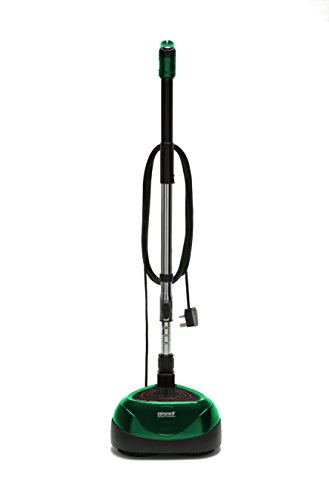
Bissell Commercial BigGreen BGFS650 Hercules Scrub and Clean Floor Machine, Green
Brush Speed (Rpm): 2200 Rpm
As an affiliate, we earn on qualifying purchases.
As an affiliate, we earn on qualifying purchases.
Conclusion
Cleaning during off-peak hours can boost your efficiency and keep floors spotless. Did you know that floors tend to accumulate over 80% more dirt during busy periods? By choosing the right time—such as early mornings or late evenings—you not only make cleaning easier but also create a safer environment for everyone. So, plan your scrubbing sessions wisely, and you’ll enjoy cleaner floors with less hassle and more peace of mind.

Cleaning Schedule Planner for Adults – Weekly & Monthly Cleaning Schedule and Checklist, 8.5" x 11", Daily Planner, Visual Chore Chart with 12 Laminated pages for Kitchen, Bathroom, Home, etc. (Reusable, No Memory Needed)
CLEANING SCHEDULE PLANNER OVERVIEW – The size of this cleaning schedule planner is 8.5" x 11", suitable size…
As an affiliate, we earn on qualifying purchases.
As an affiliate, we earn on qualifying purchases.

Retractable Gap Dust Cleaner Cleaning Tools with 2 Microfiber Dusting Cloths Long Handle 60inches Washable and Retractable Duster Brush for Cleaning Under Appliances Furniture Couch Fridge
【Make Housework Easier】: Make Housework Easier- Featuring innovative split fiber technology, the duster becomes electrostatically charged as you…
As an affiliate, we earn on qualifying purchases.
As an affiliate, we earn on qualifying purchases.