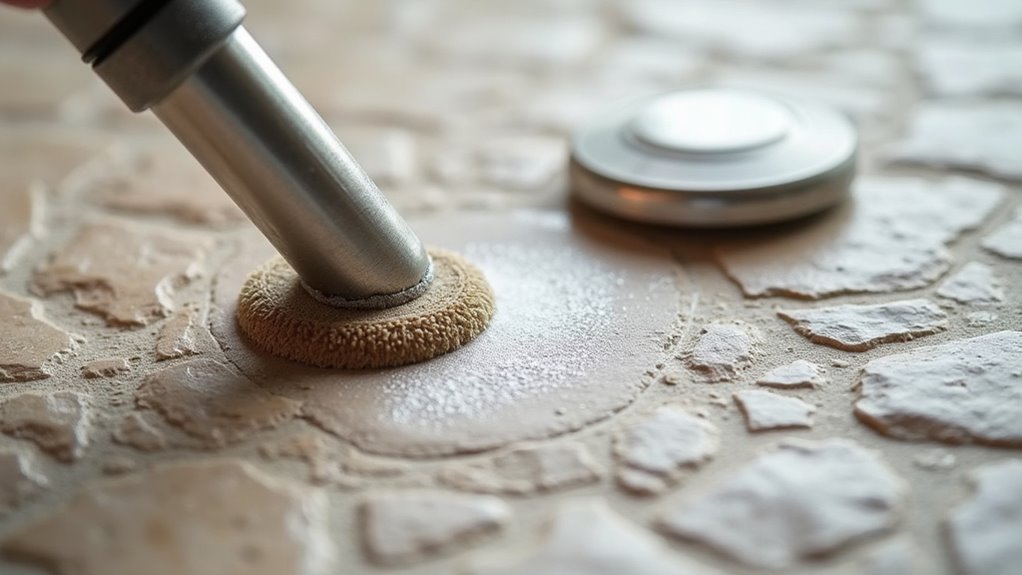

When cleaning natural stone, cylindrical tools deliver aggressive abrasion, making them ideal for heavy-duty tasks like removing deep stains and old sealants. Discs offer a more controlled, uniform clean, producing less heat and reducing the risk of damage. If you need intense cleaning, cylindrical tools work best, but for finishing and polishing, discs provide better surface control. Continue exploring to discover the best strategies for your specific project.
Open a free Amazon Business account
Business pricing, bulk buying and tax-exempt orders.
As an affiliate, we earn on qualifying purchases.
Key Takeaways
- Cylindrical tools offer deeper, more aggressive cleaning ideal for stubborn stains, while discs provide controlled, uniform abrasion for surface refinement.
- Discs generate less heat, reducing surface damage and making them better suited for finishing and polishing stages.
- Cylindrical tools excel at heavy-duty cleaning and surface preparation, whereas discs are preferred for fine-tuning and achieving smooth finishes.
- Proper tool selection depends on project goals: cylindrical for removal and deep cleaning, discs for polishing and surface smoothing.
- Combining both tools sequentially maximizes cleaning efficiency and surface quality during natural stone restoration.
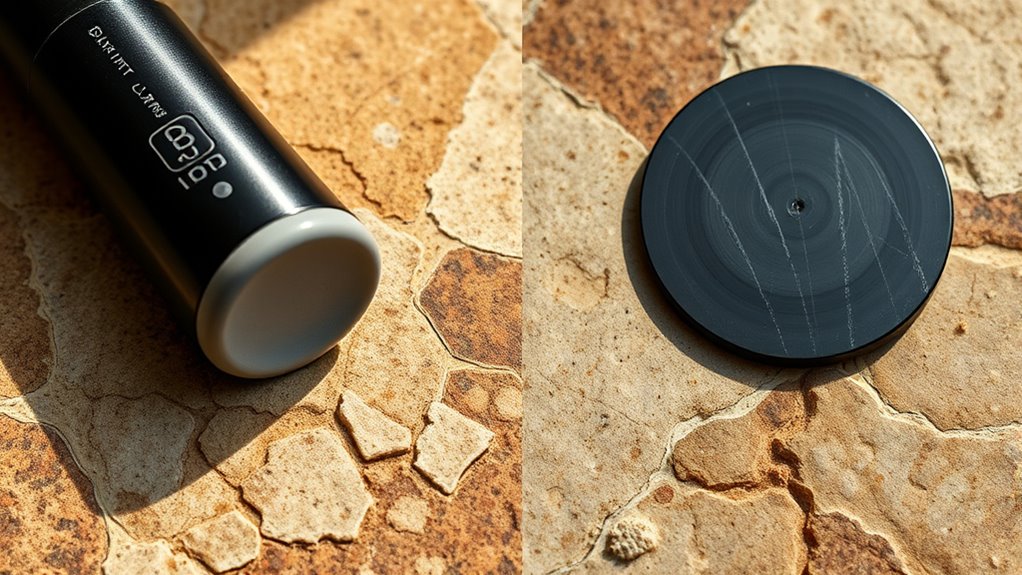
Have you ever wondered whether cylindrical or disc-shaped tools are better for working on natural stone? When it comes to cleaning and finishing, choosing the right tool can make a significant difference in both the abrasive effectiveness and the surface finish you achieve. Cylindrical tools, such as drum or roller brushes, are often designed to penetrate deeper into the stone’s surface, providing a more aggressive abrasive action. This makes them ideal for removing stubborn stains, deep-seated dirt, or uneven patches. Their shape allows for consistent contact over larger areas, which can speed up the cleaning process. However, because of their aggressive nature, they may leave a rougher surface if not used carefully, requiring additional finishing steps to get a smooth, polished look.
Disc-shaped tools, on the other hand, tend to offer a more controlled and uniform abrasive effect. Their flat, circular surface allows you to target specific areas with precision, giving you better control over the surface finish. When you’re aiming for a smoother, more polished appearance, discs are often the better choice. They generate less heat and minimize the risk of gouging or uneven wear, which helps preserve the natural beauty of the stone. Additionally, discs are versatile and can be equipped with various attachments—such as sanding pads or polishing compounds—to fine-tune the surface finish to your desired level of gloss or matte.
In terms of abrasive effectiveness, cylindrical tools generally excel at heavy-duty cleaning tasks due to their robust design and aggressive abrasiveness. They can handle the rougher initial stages of stone restoration, where removing old sealants, grime, or surface imperfections is necessary. Once the bulk of the debris is gone, switching to disc-shaped tools allows you to refine the surface, smoothing out scratches and preparing it for polishing. This sequential approach ensures you maximize each tool’s strengths. It is also important to consider the surface texture of the stone, as different finishes may require different tools and techniques to achieve the desired aesthetic.
Ultimately, your choice depends on what you’re trying to accomplish. If you need to strip away deep stains or prepare the surface for further treatment, cylindrical tools are often more effective. But if your goal is to achieve a smooth, high-quality finish with minimal surface damage, discs will serve you better. Both tools have their place in natural stone maintenance, and understanding their differences helps you select the right one for each stage of your project.

14 Pack Pumice Stone for Toilet Bowl Cleaning, Powerfully Cleans Hard Water Rings, for Cleaning Toilets, Bathtubs, Grills, Swimming Pools, Sinks
- Versatile Cleaning Use: Cleans toilets, grills, pools, tubs, and sinks
- High-Quality Material: Made of natural, durable pumice stone
- Gentle on Surfaces: Won't scratch tiles or delicate surfaces
As an affiliate, we earn on qualifying purchases.
As an affiliate, we earn on qualifying purchases.
Frequently Asked Questions
Which Tool Is More Cost-Effective for Large-Scale Natural Stone Cleaning?
A disc tool is more cost-effective for large-scale natural stone cleaning because it offers a lower initial investment and faster cleaning times, saving you money in the long run. The cost comparison favors discs, as they typically last longer and require less maintenance. While cylindrical tools may be more expensive upfront, their durability and efficiency make discs the smarter choice for extensive projects.
How Do Cylindrical and Disc Tools Impact the Longevity of Natural Stone Surfaces?
Think of your natural stone surface as a delicate dance partner. Using a cylindrical tool can cause less abrasive wear, preserving the surface longer, while a disc might lead to quicker surface erosion if used improperly. Both tools impact longevity, but the cylindrical option tends to be gentler, reducing wear and tear. To keep your stone looking its best, choose tools carefully and avoid aggressive pressure during cleaning.
Are There Specific Natural Stone Types Better Suited for One Tool Over the Other?
You should choose cylindrical tools for stones with rough, textured surfaces, as they handle specific stone textures better and guarantee thorough cleaning without damage. Disc tools work well on smoother, polished natural stones, providing gentle yet effective cleaning. Always consider tool compatibility with your specific stone type and texture to prevent scratches or wear, and always test a small area first to ensure ideal results.
Can Improper Use of These Tools Cause Damage to Delicate Stone Finishes?
Did you know improper tool use can cause 30% of surface damage in stone cleaning? Yes, if you don’t follow tool safety, you risk scratching or chipping delicate finishes. Always protect the surface by choosing the right tool and adjusting settings properly. Using the wrong one or applying too much pressure compromises surface protection, leading to costly repairs. Be cautious, follow manufacturer instructions, and prioritize surface safety to maintain your stone’s beauty.
What Maintenance Procedures Are Recommended for Cylindrical and Disc Cleaning Tools?
To maintain your cylindrical and disc cleaning tools, regularly inspect for wear and tear to guarantee tool durability. Clean them after each use to prevent buildup, which can reduce effectiveness. Follow the manufacturer’s recommended cleaning frequency and storage procedures to extend their lifespan. Avoid harsh chemicals that could damage the tools, and replace worn-out parts promptly. Proper maintenance helps you achieve ideal cleaning results while protecting your natural stone surfaces.
Conclusion
Ultimately, choosing between a cylindrical or disc pad is like selecting the right brush for a masterpiece. The cylindrical might sweep away dirt like a gentle breeze, while the disc offers a focused dance that polishes to perfection. Trust your instincts and the nature of your stone. With either tool, you’re guiding your surface to shine like a mirror’s reflection—bright, smooth, and full of life. Your perfect clean is just a spin away.
Back to school Picks
back to school
As an affiliate, we earn on qualifying purchases.