TL;DR

Get cleaning gear delivered free with Prime
- Fast, free delivery on millions of items
- Prime Video, Amazon Music and more included
- Member-only deals all year
Electric floor scrubbers clean large areas faster and more thoroughly than mops, with models ranging from compact to robotic. Choosing the right one depends on your floor type, space, and needs. Proper maintenance and operator training are key for optimal performance.
Imagine a cleaning machine that whirs to life, sprays, scrubs, and sucks up dirt in a single pass. That’s the power of an electric floor scrubber. It’s like giving your floors a professional spa treatment—fast, thorough, and consistent.
If you’re tired of endless mopping sessions or inconsistent results, understanding these machines could transform your cleaning routine. Whether you manage a busy restaurant, a school, or a warehouse, the right scrubber can save you hours, reduce labor costs, and leave floors spotless in minutes.
Match the machine type—compact, walk-behind, ride-on, or robotic—to your space and cleaning volume.
Prioritize water recovery and squeegee quality to prevent streaks and slips.
Regular maintenance of blades, filters, and batteries prevents costly breakdowns.
Test machines in your actual environment before buying to ensure maneuverability and performance.
Safety comes first—use warning signs, PPE, and proper training to keep everyone safe.
What Are Electric Floor Scrubbers and Why They Beat Mops
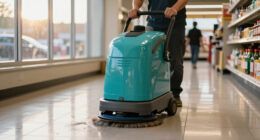
Electric floor scrubbers are machines that combine water, cleaning solution, powered brushes or pads, and a vacuum-squeegee system to wash and dry floors in one go. They aren’t just faster—they do a better job, especially on large, flat surfaces.
Picture this: a walk-behind scrubber covering 2,500 square feet in under 15 minutes, vs. a mop and bucket that takes twice as long and leaves streaks. The secret? Mechanical agitation—powered brushes loosen dirt more effectively than manual scrubbing. This means the scrubber can tackle embedded dirt, grease, or stains that are difficult for manual cleaning to remove uniformly. The faster cleaning time isn’t just about saving effort; it also reduces the disruption to your space, whether it’s a busy corridor or a retail floor. Moreover, water recovery systems are vital because they prevent re-soiling—a common problem with mops where dirty water gets spread around, leading to streaks and more dirt accumulation. This not only affects cleanliness but also safety, as wet floors increase slip hazards. Choosing an electric scrubber with an effective water recovery system ensures floors dry faster and stay cleaner longer, which is crucial in high-traffic environments where cleanliness and safety are paramount.
electric floor scrubber for large areas
As an affiliate, we earn on qualifying purchases.
As an affiliate, we earn on qualifying purchases.
The Main Types of Electric Floor Scrubbers and Which Fits Your Space
Choosing the right model depends on your space and cleaning needs. Here’s a quick rundown:
| Type | Best For | Features |
|---|---|---|
| Compact/handheld | Bathrooms, stairs, corners, small shops | Lightweight, easy to maneuver, spot cleaning |
| Walk-behind | Retail stores, schools, restaurants | Large tanks, wide cleaning paths, versatile |
| Ride-on | Warehouses, airports, large malls | Operator sits, big tanks, high productivity |
| Robotic/autonomous | Open areas, repetitive tasks | Sensor-guided, programmable routes, monitoring features |
Each type offers tradeoffs in terms of capacity, maneuverability, and cost. For example, a small retail store benefits from a walk-behind model that strikes a balance between size and efficiency. Conversely, a large warehouse or airport demands ride-on or robotic models to maximize productivity and reduce labor costs. However, these larger machines often require higher initial investments and more maintenance, which should be considered in your total cost analysis. Smaller models are easier to operate and maintain but may need more time to cover extensive areas, potentially increasing labor costs over time. Matching the machine type to your space isn’t just about capacity; it’s about understanding the implications for operational efficiency, staff workload, and overall cleaning quality. Selecting the right fit can lead to significant long-term savings and cleaner environments.
How Electric Floor Scrubbers Work — The Cleaning Magic
It’s simple but impressive. The machine dispenses clean water or a detergent solution onto the floor. A rotating brush, cylindrical roller, or oscillating pad then loosens embedded dirt and stains. This agitation breaks down stubborn grime that manual scrubbing might miss, ensuring a more thorough cleaning. The effectiveness of this process depends on the quality and type of brush or pad used, which should be matched to the floor surface to avoid damage or ineffective cleaning.
Next, a squeegee system gathers the dirty liquid. A vacuum motor then sucks the water into a recovery tank, leaving the floor dry and clean. This recovery process is critical because it prevents re-soiling—if dirty water remains on the floor, it can attract more dirt and cause streaks. Proper operation and maintenance of the vacuum system are essential; worn or damaged squeegees and clogged hoses reduce water pickup efficiency, leading to streaks and slip hazards. When functioning optimally, this synergy between dispensing, agitation, and recovery ensures a high-quality clean in a fraction of the time manual methods require. The key takeaway is that each component’s performance directly impacts the overall cleaning effectiveness, safety, and operational efficiency. Investing in quality parts and regular maintenance maximizes the benefits of this technology, making your cleaning routine more effective and less labor-intensive.
Key Features to Consider Before Buying Your Electric Floor Scrubber
Picking the right scrubber isn’t just about size. Several features impact how well it will perform in your space and how long it will serve you effectively:
- Floor type compatibility: Different floors have unique cleaning needs. For delicate hardwood, avoid aggressive brushes that could cause scratches or damage. For textured or heavily soiled concrete, heavy-duty brushes are necessary to achieve a thorough clean. Understanding your floor’s material and finish ensures you select the appropriate brushes or pads, which directly affects cleaning effectiveness and floor longevity. Using incompatible tools can lead to surface damage or inadequate cleaning, resulting in repeated passes and increased wear on equipment.
- Tank capacity: Larger tanks mean fewer interruptions for refilling, which is advantageous during extensive cleaning sessions. However, bigger tanks add weight and can reduce maneuverability, especially in tight spaces. Balancing capacity with ease of handling is crucial—overly large machines may be cumbersome, while smaller tanks might necessitate frequent stops, disrupting workflow. Consider your cleaning schedule and space layout to select a model that offers the optimal balance between efficiency and ease of use.
- Cleaning path width: A wider cleaning path increases area coverage per pass, boosting productivity. Yet, it can struggle with narrow corridors or tight corners. Spaces with complex layouts benefit from narrower, more maneuverable models, while open areas are better served by wider paths for faster cleaning. The tradeoff lies in speed versus precision; understanding your environment helps you choose a model that maximizes both.
- Water recovery: Effective squeegees and vacuum systems are essential for dry, streak-free floors. Worn or damaged blades, clogged hoses, or poorly maintained filters reduce water pickup efficiency, leading to streaking and slip hazards. Regular inspection and maintenance of these components are vital; a well-maintained system ensures maximum water recovery, safety, and cleanliness. In high-traffic or safety-sensitive areas, the importance of water recovery cannot be overstated—poor recovery can negate the benefits of the machine’s cleaning power.
- Battery life and charging: Extended operation depends on high-quality batteries, especially lithium-ion types that offer longer runtimes and faster charging. While they cost more initially, their durability and efficiency often justify the investment. Lead-acid batteries are more affordable but require regular maintenance and have shorter lifespans, which can lead to higher long-term costs. In environments needing continuous cleaning, battery capacity directly impacts productivity. Selecting a battery type aligned with your operational demands ensures consistent performance and minimizes downtime.
- Noise levels: Low-noise models are crucial in environments like hospitals, schools, or offices, where minimal disruption is essential. These models may have slightly reduced power but improve safety and comfort during operation. Considering noise levels helps you select a machine that balances performance with environmental sensitivities, ensuring compliance with operational standards and employee or customer satisfaction.
Understanding these features allows you to tailor your choice to your specific environment. For example, a school prioritizes low noise and quick recharge times, while an industrial facility values durability and high capacity. Making informed decisions based on these specifications ensures your investment delivers consistent performance, safety, and long-term value, directly enhancing cleanliness and operational efficiency.
The Benefits of Using Electric Floor Scrubbers Every Day
Switching to an electric scrubber transforms your cleaning routine. Expect faster turnaround times—think 50-70% less cleaning time—plus more consistent results. These machines excel at removing stubborn dirt, grime, and even light floor finishes, which manual cleaning often struggles to achieve uniformly. The consistent agitation and water recovery mean floors are not only cleaner but also safer—reducing slip risks associated with residual moisture. Daily use prevents dirt buildup, which can cause surface abrasion and long-term damage, thereby extending the lifespan of your flooring. Moreover, the ability to monitor cleaning activity and water usage with connected features allows managers to optimize workflows and reduce operational costs. Regular use ensures a healthier environment by maintaining hygiene standards and preventing the accumulation of bacteria or mold in hard-to-reach areas. Ultimately, integrating daily electric scrubber use enhances both the quality and safety of your environment, making routine cleaning more efficient and reliable than ever before.
Common Problems and How to Fix Them Before They Ruin Your Day
Even the best machines encounter issues if not properly maintained. For example, streaks often result from worn or dirty squeegee blades that fail to leave the floor dry and streak-free. Regularly inspecting, cleaning, and replacing these blades ensures maximum water removal efficiency, which is critical for safety and appearance. Clogged vacuum hoses or dirty filters reduce water recovery, leading to streaks and slip hazards; cleaning and replacing these components prevent such problems. If water isn’t recovering well, check the float shutoff mechanism—if it’s stuck or damaged, it can prevent proper operation. A failing vacuum motor also reduces suction, causing water pooling; timely repairs or replacements are essential. Excess foam from incompatible chemicals can clog the system—always use manufacturer-recommended detergents to avoid this. Battery issues are common as batteries age; proper charging practices, avoiding deep discharges, and scheduling replacements help maintain runtime. Regularly inspecting hoses, filters, and seals prevents leaks or clogs that could cause system failures. Proactive maintenance—such as scheduled inspections and timely repairs—prevents costly downtime and extends equipment lifespan, ensuring your cleaning process remains smooth and effective.
Maintenance Must-Knows for Long-Lasting Performance
After each use, rinsing the recovery tank and cleaning the squeegee and brushes prevents residue buildup that can harbor mold or bacteria. Leaving tanks open allows parts to dry thoroughly, reducing odor and deterioration. Regularly inspecting and replacing worn squeegee blades and brushes based on actual wear—rather than just time—ensures consistent cleaning quality. Worn blades can cause streaks, while damaged brushes reduce agitation efficiency, both negatively impacting results. For batteries, following the manufacturer’s instructions is crucial; proper charging practices—avoiding overcharging or deep discharges—extend battery life. Flooded lead-acid batteries require regular water top-ups and proper ventilation, while lithium-ion batteries benefit from avoiding complete drain cycles and maintaining charge levels within recommended ranges. Don’t neglect hoses, filters, and seals—weekly checks prevent leaks and clogs that could cause system failures. Keeping your machine in top condition through routine maintenance not only ensures peak performance but also reduces costly repairs and downtime, ultimately saving money and extending the equipment’s lifespan.
Safety Tips to Keep Everyone Happy and Floors Safe
Wet floors are inherently slippery—always use warning signs when operating your scrubber. Before starting, inspect the area for cables, debris, and obstacles to prevent tripping hazards or equipment damage. Using approved, low-foaming detergents is essential because excessive foam can impair machine function and create slippery residues, increasing slip risks. Never mix chemicals unless specifically permitted, as incompatible solutions can produce dangerous reactions or damage machine components. Proper staff training is critical—staff should be familiar with safe operation procedures, including filling, draining, turning, and emergency stops. PPE, like gloves and eye protection, should be used especially when handling chemicals or batteries, to minimize exposure. Regularly checking vacuum seals, hoses, and squeegee blades helps prevent leaks and slips, maintaining a safe environment. A well-maintained, correctly operated scrubber not only cleans effectively but also reduces accident risks, ensuring a safe, hazard-free environment for everyone involved. Implementing these safety practices helps protect personnel and prolongs equipment life.
Picking the Perfect Electric Floor Scrubber for Your Business
Choosing the ideal model involves balancing size, features, and budget with your specific operational needs. Consider your area size, layout complexity, and floor type. For small restaurants or retail shops, a compact or walk-behind model offers ease of use and quick deployment, enabling staff to maintain cleanliness with minimal training. For large warehouses or airports, investing in ride-on or robotic scrubbers can drastically improve efficiency, reduce labor costs, and enable continuous cleaning with minimal operator fatigue. It’s also important to evaluate the total cost of ownership—initial purchase price, ongoing maintenance, battery replacements, and repairs—to ensure the investment remains cost-effective over time. Testing machines in your actual environment allows you to assess maneuverability, noise levels, and water recovery firsthand, helping you make an informed decision. Additionally, review service support and warranty terms, as these can significantly impact operational downtime and repair costs. Selecting the right machine tailored to your environment ensures you maximize cleaning efficiency, safety, and longevity, ultimately delivering better value and cleaner floors.
For example, a school might prioritize low noise levels and ease of operation to avoid disruption, while a logistics center might focus on high productivity and durability. Matching the machine to your specific operational needs ensures you maximize efficiency, safety, and cleanliness, making your investment worthwhile over time.
Frequently Asked Questions
Are electric floor scrubbers better than mops?
For large, busy areas, they’re faster, more consistent, and better at removing dirt and water. Mops still work for small spaces or hard-to-reach corners, but electric scrubbers excel in high-volume environments.
Can a scrubber be used on hardwood or laminate floors?
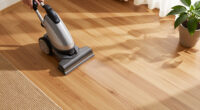
Only if both the flooring and machine manufacturers approve. Excess moisture or aggressive brushes can damage wood or laminate. Always check compatibility and follow manufacturer instructions.
How long does it take for floors to dry after using a scrubber?
Many floors dry within minutes if the squeegee and vacuum work well. Proper adjustment and maintenance are key—poor water recovery leaves streaks and slip risks.
How often should I replace brushes and squeegees?
It depends on usage and floor type. Regular inspections reveal wear—replace components when they become frayed, cracked, or lose effectiveness. Don’t wait for visible damage to act.
Conclusion
Electric floor scrubbers are game-changers for busy spaces that need fast, reliable cleaning. They turn hours of manual labor into minutes of automated efficiency—saving time, money, and headaches.
Investing in the right model and maintaining it well means floors stay safer and cleaner—no matter the size or complexity. When it comes to clean floors, automation isn’t just a luxury; it’s a smart move.
Halloween Picks
halloween
As an affiliate, we earn on qualifying purchases.