
Pad drivers and quick-change systems make attaching and swapping pads easier and faster on your tools. They come in various types like hook-and-loop, threaded, and snap-on, each offering different benefits such as quick release or secure attachment. To get the best performance, guarantee your pad driver matches your tool’s spindle and the pads you use. Keep exploring to discover how choosing the right system can boost your efficiency and results.
Key Takeaways
- Pad drivers connect abrasive pads to power tools using various attachment methods like hook-and-loop, threaded, or snap-on systems.
- Quick-change systems, such as hook-and-loop, enable fast, easy pad swaps, increasing efficiency during tasks.
- Compatibility depends on matching the pad driver’s attachment type and size with the pad and tool specifications.
- Proper maintenance and cleaning of attachment systems ensure secure connections and prolong equipment lifespan.
- Selecting the right pad driver and attachment method improves stability, safety, and overall work quality.
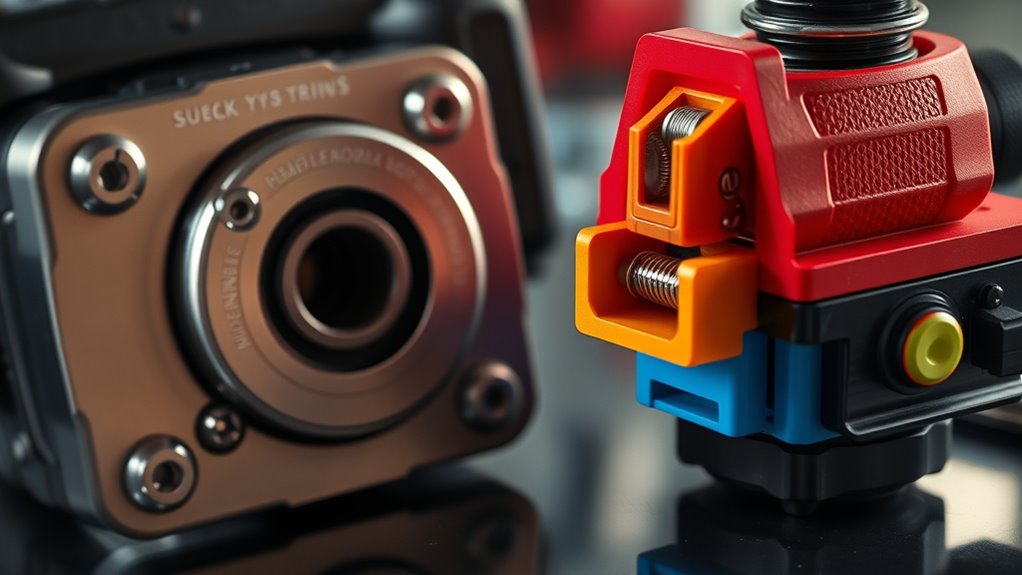
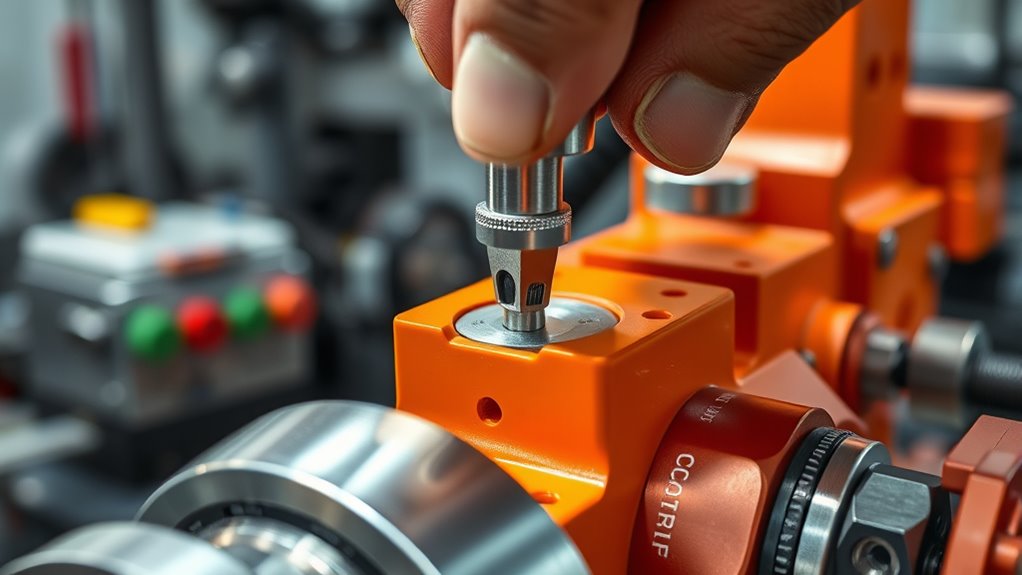
If you’ve ever used a polishing or sanding machine, you know that changing pads quickly and securely is essential for efficient work. This is where understanding different attachment types becomes vital. There are several attachment types designed to connect pad drivers to your power tools, each with its own advantages and compatibility considerations. The most common include hook-and-loop (Velcro), threaded, and snap-on systems. Hook-and-loop attachments are popular because they allow for quick pad changes and are compatible with a wide range of pads. They typically feature a foam backing with a Velcro surface that easily attaches to corresponding hook-and-loop pads, making swapping pads straightforward. Threaded systems, on the other hand, involve screwing the pad directly onto the spindle or arbor of the machine. These are often more secure and suitable for heavy-duty applications, but they require tools for changing pads, which can slow down your workflow. Snap-on systems combine elements of both, offering quick attachment and detachment with a secure fit, often using a locking mechanism that snaps into place. When choosing a pad driver, you need to consider compatibility considerations carefully. Not every attachment type fits every machine, so you must verify that the pad driver matches your tool’s spindle or arbor size and thread pattern. For example, some machines have specific mounting systems that only work with certain attachment types, so mismatched connections could lead to poor stability or even damage. Ensuring compatibility means checking the specifications of both your tool and the pad driver, including diameter, thread size, and attachment method. Additionally, consider the types of pads you’ll be using. Some pads are designed specifically for hook-and-loop systems, while others are made for threaded or snap-on attachments. Using incompatible pads can lead to slipping, uneven sanding, or even damage to the pad or tool. It’s also worth noting that some modern systems combine quick-change features with universal compatibility, making it easier to switch between different pad types without changing the driver. This flexibility can save you time and effort during projects. Proper maintenance and regular cleaning of your attachment system help ensure long-lasting secure connections and optimal performance. In brief, understanding the various attachment types and their compatibility considerations helps you select the right pad driver for your needs. It guarantees secure attachment, quick changes, and maximum performance, whether you’re polishing, sanding, or finishing surfaces. Taking the time to match the attachment type with your tool and pad will streamline your workflow, reduce downtime, and improve the quality of your work.

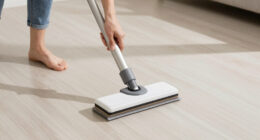
Oreck Commercial Orbiter Hard Floor Cleaner Machine, Multi-Purpose Floor Cleaning, Random Orbital Drive, Wide Cleaning Path, 50-Foot Long Cord, ORB550MC, Gray/Red
MULTI-PURPOSE CLEANING: Commercial grade cleaner and effective on all types of flooring surfaces. Sand, refinish, strip, scrub, wax,...
As an affiliate, we earn on qualifying purchases.
Frequently Asked Questions
What Are the Common Materials Used in Pad Drivers?
You’ll find that common materials used in pad drivers include durable metals like aluminum and steel, which provide strength and longevity. Some use abrasive materials within the mounting mechanisms to guarantee secure attachment during operation. These materials help withstand vibrations and impacts, making your polishing or grinding tasks more efficient. By selecting pad drivers with the right materials, you guarantee a stable, reliable connection that improves your overall work quality and tool performance.
How Do Quick-Change Systems Improve Workflow Efficiency?
Imagine a busy workshop where, as you finish one task, a quick-change system lets you seamlessly swap tools, much like changing gears smoothly. These systems boost workflow efficiency by enabling tool integration and process optimization, saving you valuable time. You spend less effort on setups and more on actual work, making your operations faster and more streamlined. This coincidence of quick tool swaps transforms your productivity, keeping projects moving without interruption.
Are There Compatibility Issues Between Different Brands of Pad Drivers?
Yes, there can be compatibility issues between different brands of pad drivers. You need to check brand compatibility and adhere to adapter standards to guarantee proper fit and function. Using incompatible brands or ignoring adapter standards may cause slipping, reduced efficiency, or damage to your tools. Always verify that your pad driver and quick-change system are compatible, and consider using adapters designed for different brands to maintain ideal performance.
What Maintenance Is Required for Prolonged System Lifespan?
Ever wondered how to keep your system running smoothly? You should follow regular lubrication schedules and monitor wear closely. Proper lubrication reduces friction and prevents premature failure, while wear monitoring helps identify parts needing replacement before breakdowns occur. By staying proactive with maintenance, you extend your system’s lifespan and guarantee ideal performance. Don’t wait until problems arise—consistent care keeps everything running efficiently and saves you money long-term.
How Do I Select the Right Quick-Change System for My Tool?
To select the right quick-change system, you should consider your tool’s compatibility and the pad material you need. Make certain the system fits your tool’s specifications and is compatible with your pad material, whether it’s foam, rubber, or abrasive. Also, think about ease of use and durability. By matching system compatibility and pad material selection, you’ll ensure efficient performance and prolonged tool life.
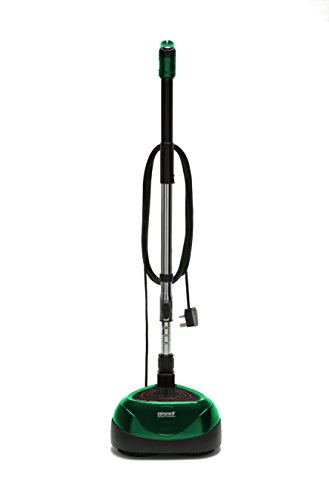
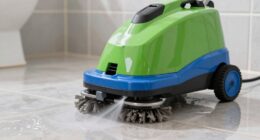
Bissell Commercial BigGreen BGFS650 Hercules Scrub and Clean Floor Machine, Green
Brush Speed (Rpm): 2200 Rpm
As an affiliate, we earn on qualifying purchases.
Conclusion
Now that you know the ins and outs of pad drivers and quick-change systems, you’ll be unstoppable in your polishing projects. With the right tools, you can turn what once felt like a intimidating chore into a breeze—like wielding a magic wand. Mastering these systems saves you time, effort, and frustration, making your work smoother than ever. Get ready to impress everyone with your flawless finishes, because once you understand these tools, nothing can stand in your way!

HHQ Commercial Floor Scrubber Machine with Brushes and Pads, Heavy Duty Floor Cleaner Polisher and Buffer- Deep Cleaning Tile and Grout, Hardwood Floors and Carpets without Getting on Hands and Knees
Kit Included: 1 Orbital Floor Buffer & Scrubber Machine, 2 Polishing/ Stripping Pads, 3 Scrub Brushes, 1 Microfiber...
As an affiliate, we earn on qualifying purchases.

Hoover FloorMate Deluxe Hard Floor Cleaner Machine, Lightweight Cleaning Machine, Floor Scrubber with Spin Scrub Brushes, Wash and Dry Mode, Ideal for Hardwood, Vinyl, Tile, Laminate and More
LIGHTWEIGHT HARD FLOOR CLEANER MACHINE: Powerfully clean across floors with the Hoover FloorMate Deluxe Hard Floor Cleaning Machine....
As an affiliate, we earn on qualifying purchases.