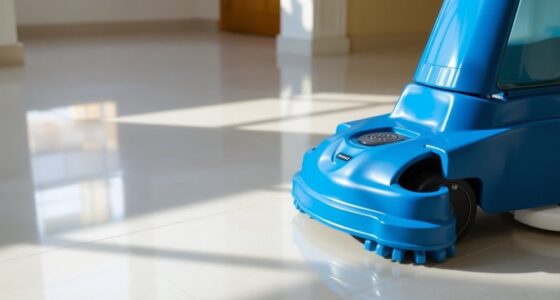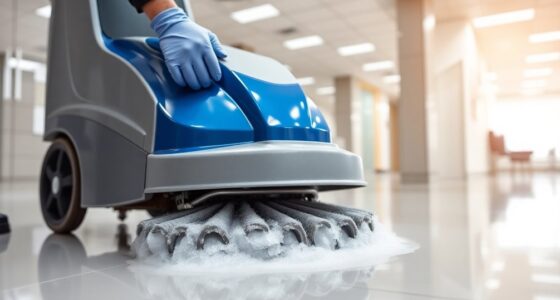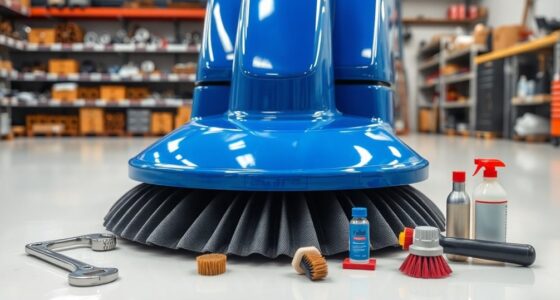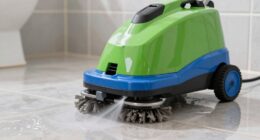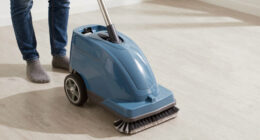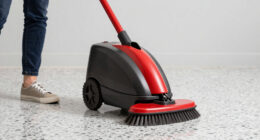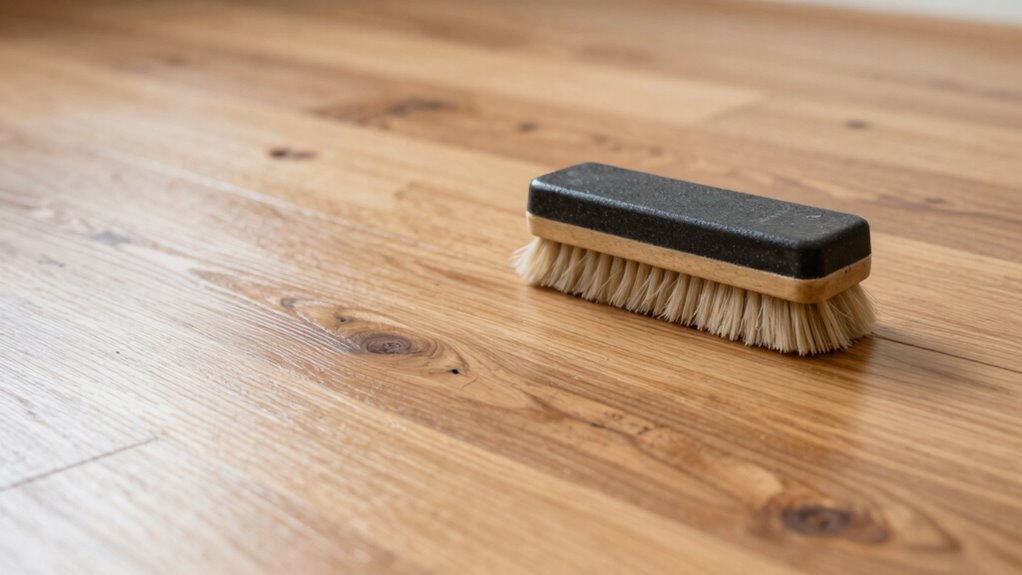
Some floors need lower brush pressure to prevent damage and keep their finish intact. Delicate surfaces like hardwood, vinyl, or terrazzo can scratch, dull, or wear unevenly if you press too hard. Less pressure helps remove dirt effectively without harming the surface or stripping finishes. It also extends your equipment’s life by reducing wear on brushes and motors. Stay tuned to discover how adjusting pressure for different floors can improve your cleaning results and protect your surfaces.
Key Takeaways
- Delicate floors like hardwood or vinyl can be scratched or dulled by excessive brush pressure.
- Lower pressure prevents stripping finishes and maintains the floor’s shine and smooth surface.
- Sensitive surfaces are more prone to damage, requiring gentler cleaning to avoid streaks or dents.
- Proper calibration reduces the risk of wear and tear on both the floor and cleaning equipment.
- Tailoring pressure ensures effective cleaning without causing surface deterioration or damage.
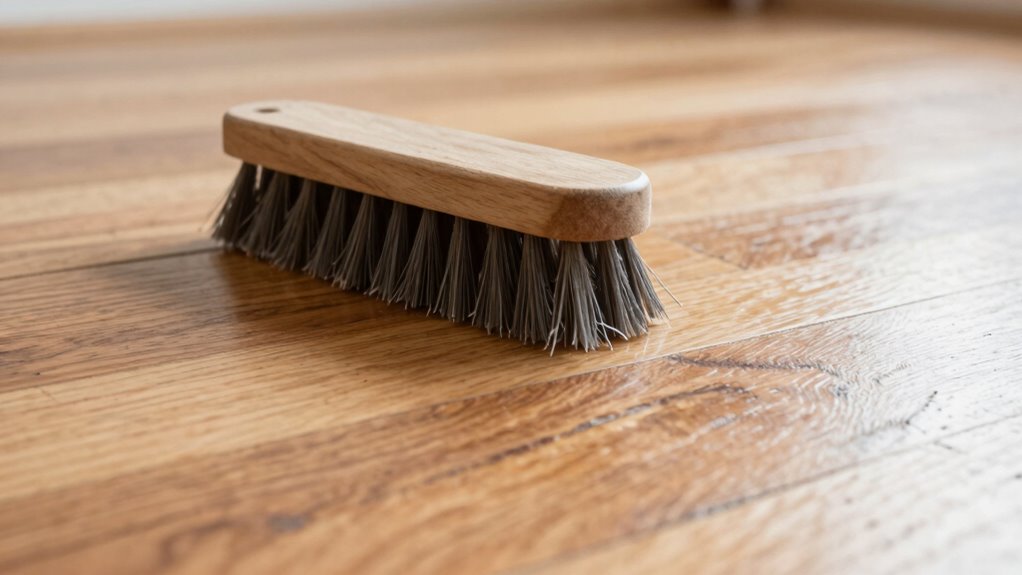
Lowering the brush pressure on your floor cleaning equipment can considerably improve your results and extend the lifespan of your machine. When you adjust the pressure properly, you’re not just protecting your equipment—you’re also safeguarding the integrity of the floor surface. Different floors have unique characteristics, and understanding when to reduce brush pressure helps prevent damage while still achieving a thorough clean. For delicate surfaces like hardwood, vinyl, or terrazzo, applying too much pressure can cause scratches, dents, or dullness. These floors are more sensitive, and excessive force can strip away finishes or create uneven wear. By lowering the brush pressure, you gently lift dirt and debris without compromising the surface’s integrity, guaranteeing your floors stay looking new longer. Properly calibrated brush pressure also ensures optimal cleaning efficiency, as excessive force can actually hinder dirt removal and spread grime more effectively. In addition to protecting the floor surface, adjusting brush pressure directly influences the durability of your cleaning equipment. The brush components, especially the bristles and motorized parts, are built to withstand a certain level of force, but too much pressure accelerates wear and tear. When you push down too hard, the brushes can become misshapen or prematurely worn, requiring more frequent replacements. Lowering the pressure not only helps maintain the brush’s shape and effectiveness but also reduces strain on the motor, extending the overall lifespan of your machine. This means fewer repairs and replacements over time, saving you money and downtime. Properly calibrated pressure assures your equipment operates efficiently, optimizing performance without risking damage to either the brushes or the machine itself. Furthermore, different floor surfaces react differently to brush pressure, and knowing when to dial it down is vital. For highly sensitive or polished floors, light pressure lets you clean without dulling the finish or causing streaks. Conversely, rougher surfaces like concrete or tile can withstand more pressure, but even then, excessive force isn’t necessary and might lead to unnecessary wear. Adjusting brush pressure according to the specific surface guarantees you’re not applying more force than needed. This tailored approach helps you achieve better cleaning results while also preserving the lifespan of your equipment and the floor surface. Proper calibration of pressure is a key factor in maintaining both cleaning efficiency and equipment longevity, especially when dealing with diverse flooring types. Keeping in mind the types of flooring you are cleaning ensures that you choose the right pressure setting for optimal results and equipment care. Additionally, understanding the different floor characteristics can guide you in setting appropriate pressure levels for each surface type, maximizing cleaning effectiveness while minimizing damage. It’s a simple yet effective way to optimize your cleaning process, making sure that every pass leaves your floors spotless without unintended damage.
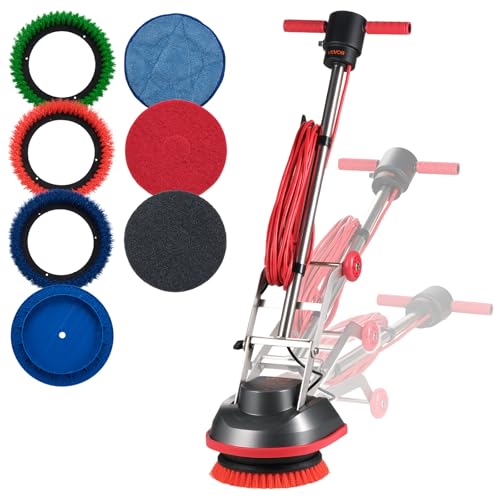
VEVOR Commercial Floor Scrubber Machine, Heavy Duty Floor Cleaner Polisher with 2 Wheels, Professional Electric Carpet Buffer, Max 1900 RPM, 43 FT Cord, 3 Pads & 3 Brushes – All Floor Surfaces
Powerful Variable Speed: This floor scrubber machine features a 0.75 HP commercial motor and adjustable 1200-1900 rpm speed….
As an affiliate, we earn on qualifying purchases.
As an affiliate, we earn on qualifying purchases.
Frequently Asked Questions
Can Lower Brush Pressure Damage Certain Floor Types?
Lower brush pressure can prevent floor damage and excessive brush wear, especially on delicate surfaces. If you set the pressure too high, it might scratch or dent your floors or cause unnecessary wear on the brush. By adjusting the pressure appropriately, you protect your floors from damage and extend the lifespan of your cleaning equipment, ensuring more effective cleaning without risking harm to your floor surfaces.
How Do I Adjust Brush Pressure on My Floor Cleaner?
You can easily adjust the brush pressure on your floor cleaner to protect your carpet’s durability. First, locate the pressure control setting—usually a dial or lever—and turn it to lower the brush pressure. Keep in mind, sometimes less is more; reducing pressure prevents damage and prolongs carpet life. Always check your appliance’s manual for specific instructions, and don’t be afraid to fine-tune until you find the perfect balance.
Is Lower Brush Pressure More Energy-Efficient?
Yes, lower brush pressure can be more energy-efficient. When you reduce the brush pressure, your floor cleaner uses less power to operate the brushes, leading to less energy consumption. This not only saves electricity but also reduces wear and tear on your equipment. By adjusting the brush pressure appropriately for different floor types, you optimize cleaning performance while conserving energy, making your cleaning routine more eco-friendly and cost-effective.
Does Lower Brush Pressure Improve Cleaning in Tight Corners?
Lower brush pressure can be your secret weapon in tight corners, like a gentle breeze slipping into hard-to-reach spots. It enhances edge cleaning and corner accessibility by preventing the brush from pushing too hard against surfaces, allowing for smoother navigation. This delicate touch makes certain debris is swept away without disturbing delicate edges or causing damage, making your cleaning more effective and thorough, especially in those tricky, confined spaces.
Are There Specific Floor Conditions That Require Lower Brush Pressure?
Yes, certain floor conditions require lower brush pressure. If you’re cleaning delicate surfaces like hardwood, laminate, or vinyl, lower pressure prevents scratches and damage. Surfaces that are surface-sensitive, such as tiles with decorative finishes or fragile coatings, also benefit from gentler cleaning. Adjusting brush pressure guarantees you clean effectively without harming the material, helping maintain the floor’s appearance and longevity over time.

Bissell® SpinWave Hard Floor Expert Corded Spin Mop Cleaner with Washable mop Pads for Sealed Hard Floors, 20393
DEEP CLEANING WITHOUT SCRUBBING. Powerful corded spin mop with 100% machine-powered scrubbing pads—removes tough messes effortlessly.
As an affiliate, we earn on qualifying purchases.
As an affiliate, we earn on qualifying purchases.
Conclusion
Using lower brush pressure can notably extend your floor cleaner’s lifespan and prevent damage to delicate surfaces. It’s especially helpful on hardwood or laminate floors, where too much force can cause scratches. Curiously, studies show that improper brush pressure can increase cleaning time by up to 30%, as you may need to go over spots multiple times. So, adjusting the pressure isn’t just gentle—it’s smart, ensuring efficient cleaning without risking costly repairs.

SetSail Floor Scrub Brush with 51-Inch Long Adjustable Handle 2 in 1 Scrape Brush Stiff Bristle Floor Scrubber for Cleaning Shower Bathroom Garage Kitchen Wall Deck Tub Tile
2-IN-1 SCRUB BRUSH: Scrub brush and scraper integrated design, you can clean the floor with the brush, then…
As an affiliate, we earn on qualifying purchases.
As an affiliate, we earn on qualifying purchases.

Zep High Traffic Floor Polish – 5 Gal (1 Pail) ZUHTFF5G – Scuff and Slip Resistant Durable Floor Finishing Polish for Vinyl (VCT), Sealed Concrete, Rubber, Tile, and Terrazzo Floors
Ready-to-use Formula: This professional grade formula leaves an attractive, glossy and durable polish that resists heel marks and…
As an affiliate, we earn on qualifying purchases.
As an affiliate, we earn on qualifying purchases.