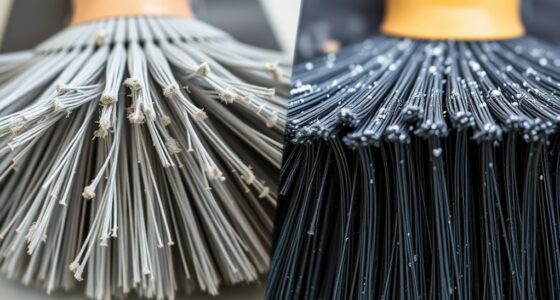

Upgrading dust filtration in your factory sweepers can save you money by lowering maintenance costs, improving energy efficiency, and extending equipment lifespan. Better filtration also means cleaner air, which benefits worker health and helps you stay compliant with regulations. While the upfront costs may seem high, the long-term savings and safety improvements outweigh this investment. Keep exploring to see how these upgrades can boost your business’s sustainability and performance.
Key Takeaways
- Upgrading dust filtration reduces long-term maintenance and energy costs, offering operational savings that offset initial investment.
- Enhanced filtration improves air quality and worker health, decreasing sick days and boosting productivity.
- Compliance with stricter regulations minimizes legal risks, fines, and potential shutdowns.
- Better filtration extends equipment lifespan and reduces downtime, supporting operational stability.
- Demonstrating environmental responsibility and safety can strengthen industry reputation and long-term business sustainability.
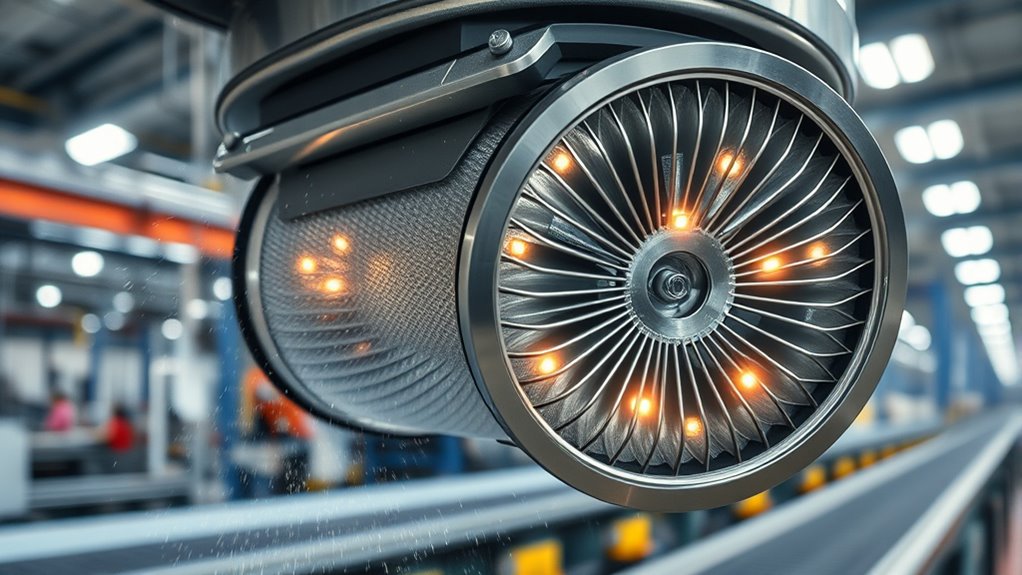
Upgrading dust filtration systems in factory sweepers is vital for improving air quality and guaranteeing worker safety. When considering these upgrades, it’s essential to perform a thorough cost benefit analysis. This helps you weigh the upfront expenses of new filtration technology against the long-term savings and health benefits. Better filtration can reduce maintenance costs by preventing dust buildup that damages machinery, and it can also decrease energy consumption by improving system efficiency. These savings can quickly offset the initial investment, making upgrades financially sensible in the long run. Furthermore, investing in superior dust filtration supports regulatory compliance, which is increasingly strict in many industries. Failing to meet these standards can lead to hefty fines, legal issues, and potential shutdowns, so staying ahead with compliance isn’t just good practice—it’s a business necessity.
When you evaluate the costs, consider not only the purchase price of advanced filtration systems but also installation, maintenance, and potential downtime during upgrades. On the benefit side, cleaner air means healthier workers who are less prone to respiratory issues, which can reduce sick days and improve overall productivity. Additionally, enhanced filtration can extend the lifespan of your sweepers and other equipment, saving you money on repairs and replacements. It’s also worth noting that regulatory bodies often mandate specific air quality standards; investing in the right dust filtration technology ensures you stay compliant without risking penalties or operational halts.
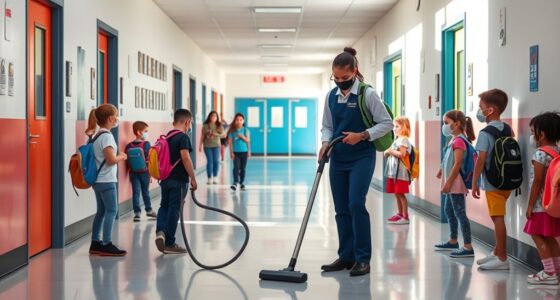
Moreover, supporting emotional well-being through improved safety measures can positively impact worker morale and engagement. The decision to upgrade should also be informed by the potential for improved workplace safety and morale. Employees tend to feel more secure and valued when they see their employer taking proactive steps to protect their health. This improved safety environment can boost morale and reduce turnover, indirectly benefiting your business’s bottom line. From a regulatory perspective, adhering to the latest standards not only prevents fines but also positions your company as a responsible industry leader committed to sustainability and worker well-being.
Top picks for "economic dust filtration"
Open Amazon search results for this keyword.
As an affiliate, we earn on qualifying purchases.
Frequently Asked Questions
What Are the Long-Term Financial Benefits of Dust Filtration Upgrades?
Upgrading dust filtration systems offers you significant long-term financial benefits. You’ll see cost savings through reduced maintenance and energy consumption, while regulatory compliance guarantees you avoid fines and shutdowns. Over time, these upgrades improve your operational efficiency and help you meet environmental standards more easily. Investing now means you can enjoy lower expenses and smoother compliance processes, ultimately boosting your profitability and sustainability in the long run.
How Do Filtration Upgrades Impact Factory Worker Health and Safety?
Upgrading filtration systems substantially improves your factory’s air quality, directly benefiting your workers’ respiratory health. Cleaner air reduces exposure to dust and harmful particles, lowering the risk of respiratory issues and related illnesses. This creates a safer work environment, minimizes health-related absences, and boosts overall safety. By prioritizing filtration upgrades, you guarantee your team operates in a healthier, safer setting, which ultimately enhances productivity and well-being.
Are There Government Incentives for Upgrading Factory Dust Filtration Systems?
You want to know if government grants or tax incentives support upgrading dust filtration systems. Yes, many governments offer financial assistance through grants and tax incentives to encourage healthier workplaces and environmental compliance. These programs help offset upgrade costs, making it more affordable to improve air quality. By taking advantage of government grants and tax incentives, you can upgrade your filtration systems efficiently, enhancing safety, reducing costs, and contributing to a cleaner environment.
What Is the Typical Lifespan of Upgraded Dust Filtration Components?
You might wonder about the lifespan of upgraded dust filtration components. Typically, these components last between 1 to 3 years, depending on maintenance costs and usage conditions. Regular maintenance helps extend their durability, ensuring you get the most value from your investment. Keep an eye on signs of wear and tear, and replace parts promptly to maintain peak filtration performance and avoid costly breakdowns.
How Do Filtration Upgrades Influence Overall Factory Operational Efficiency?
Did you know that upgrading dust filtration can boost factory efficiency by up to 15%? When you enhance filtration systems, you decrease maintenance costs and minimize downtime caused by dust-related issues. This leads to smoother operations, fewer repairs, and overall cost reduction. By investing in better filtration, you guarantee cleaner air, healthier workers, and improved productivity, making it a smart move for your factory’s long-term success.
Conclusion
Upgrading your factory sweepers’ dust filtration might seem like just another expense, but it could be a game-changer you’re missing. As cleaner air boosts efficiency and compliance, the true impact goes deeper—what if the real savings lie in what you haven’t yet discovered? Don’t wait until dust becomes your biggest problem. The next step could unseal unforeseen benefits, but only if you act now. Are you ready to see what’s truly possible?