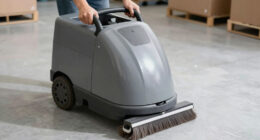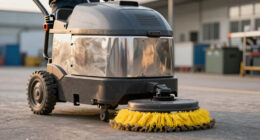

To effectively manage FOD in aircraft hangars, implement regular sweeping protocols combined with magnetic bars. Position magnetic bars in high-traffic areas to trap ferrous debris before it reaches aircraft engines. Guarantee personnel are trained to check and maintain the magnetic bars daily, removing debris promptly. Consistent sweeping before aircraft movement helps prevent damage and improves safety. This proactive approach not only keeps the hangar clean but also boosts operational efficiency — discover more techniques to optimize your FOD prevention strategies.
Key Takeaways
- Implement regular sweeping routines combined with magnetic bar checks to effectively capture ferrous debris.
- Position magnetic bars strategically in high-traffic and aircraft parking areas for maximum debris collection.
- Train personnel to inspect and maintain magnetic bars, ensuring they retain optimal magnetic strength and effectiveness.
- Use magnetic bars proactively before aircraft movement to prevent FOD from damaging engines and sensitive components.
- Incorporate magnetic bar management into overall FOD prevention protocols to enhance hangar safety and operational efficiency.
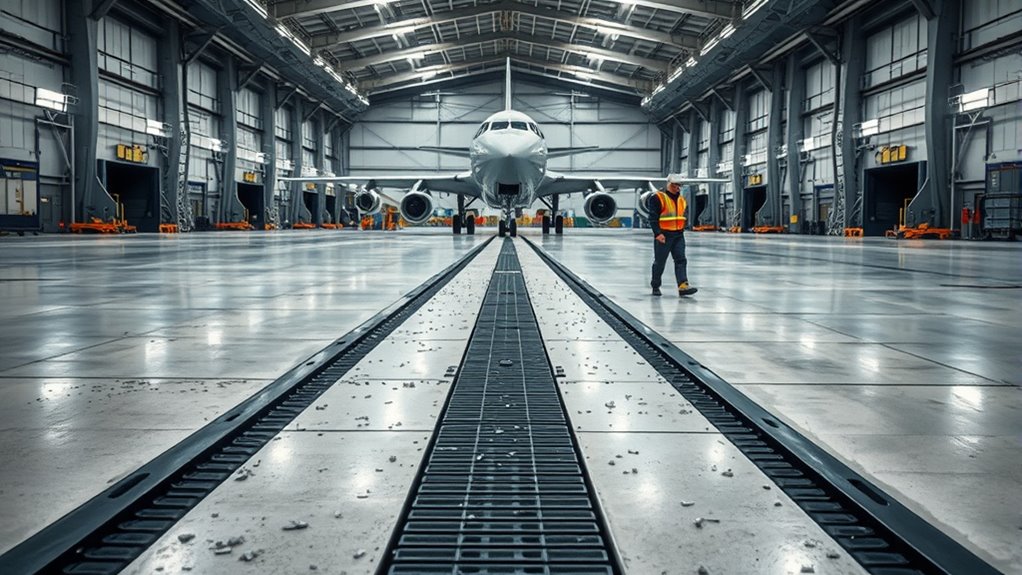
Maintaining a clean aircraft hangar is essential for safety, efficiency, and the longevity of your planes. One of the most effective ways to prevent foreign object debris (FOD) from damaging your aircraft is through proper sweeping techniques, especially when using magnetic bars designed for this purpose. These bars are crucial in managing ground safety because they quickly and efficiently trap ferrous debris that can otherwise go unnoticed on your hangar floor. When you incorporate magnetic bars into your routine maintenance procedures, you significantly reduce the risk of FOD-related incidents, which can lead to costly repairs or safety hazards. The key is understanding how to implement sweeping protocols that maximize the effectiveness of magnetic bars and ensure a safe environment for both personnel and aircraft.
Proper sweeping with magnetic bars enhances aircraft safety and reduces FOD risks in hangars.
Start by establishing a consistent sweeping schedule that aligns with your maintenance procedures. Regular sweeping not only keeps the hangar floor clean but also allows you to identify any persistent sources of debris, such as worn tires or tools left behind. When you use magnetic bars, position them in high-traffic areas where ferrous debris commonly accumulates, like near aircraft parking spots, maintenance bays, and doorways. These bars should be checked frequently—at least daily—to remove collected debris and maintain their magnetic strength. A clean magnetic bar means more efficient debris collection, which directly contributes to improved ground safety.
Incorporate magnetic bars into your daily maintenance procedures as a standard step. Before moving aircraft in or out, run a magnetic bar over the floor to pick up any ferrous debris that might have been overlooked during routine sweeping. This proactive approach minimizes the chance of FOD being ingested by engines or coming into contact with sensitive aircraft components. Remember, effective ground safety is about preventing accidents before they happen, and magnetic bars serve as an essential frontline defense. Also, train your team to recognize the importance of these tools and to report any issues with the bars, like loss of magnetic strength or damage.
Finally, always assess the effectiveness of your sweeping routine and magnetic bar placement periodically. Adjust the frequency or location based on observed debris patterns or aircraft movement. Proper maintenance procedures, combined with strategic use of magnetic bars, create a safer, cleaner environment where aircraft are protected from avoidable damage. Incorporating advanced magnetic technology can further enhance debris removal efficiency and safety. Proper maintenance procedures, combined with strategic use of magnetic bars, create a safer, cleaner environment where aircraft are protected from avoidable damage. Keeping your hangar floor clear of FOD through consistent sweeping and magnetic bar management ultimately enhances safety, reduces maintenance costs, and extends the lifespan of your aircraft. By integrating these practices into your daily operations, you foster a culture of safety and precision that benefits everyone involved.
magnetic debris trap for aircraft hangars
As an affiliate, we earn on qualifying purchases.
As an affiliate, we earn on qualifying purchases.
Frequently Asked Questions
How Often Should Magnetic Bars Be Inspected for Optimal FOD Management?
You should inspect magnetic bars regularly to guarantee effective FOD management. The inspection frequency depends on your operations’ activity level, but a good rule is to check them daily or after high-traffic periods. Incorporate magnetic bar inspections into your maintenance schedule to catch any wear or damage early. Consistent inspections help maintain peak performance, prevent FOD buildup, and ensure safety standards are met in your hangar environment.
Can Magnetic Bars Remove All Types of Foreign Object Debris?
You might think magnetic bars can catch every tiny piece of foreign object debris (FOD), but they actually possess limitations. While they’re excellent for ferrous debris, they can’t remove non-magnetic FOD like plastics or rubber. So, no, magnetic bars don’t eliminate all types of debris. They’re a powerful tool, but you still need other methods to ensure your hangar stays completely FOD-free.
Are Magnetic Bars Suitable for All Aircraft Hangar Sizes?
You might wonder if magnetic bars work for all hangar sizes. The truth is, their magnetic effectiveness varies with hangar size. In smaller hangars, magnetic bars are usually very effective at capturing FOD, but larger hangars may require multiple bars or different solutions for thorough coverage. Assess your hangar size carefully, and consider the magnetic strength needed to guarantee effective debris removal across the entire area.
What Maintenance Is Required for Magnetic Bar Systems?
You need to regularly inspect your magnetic bar system for dirt, debris, or damage. Maintenance involves cleaning magnetic bars to guarantee peak FOD capture, checking for wear or corrosion, and replacing magnetic bars when they become damaged or lose effectiveness. During magnetic bar installation, ensure proper placement for maximum coverage. Routine maintenance extends the system’s lifespan and keeps your hangar safe, preventing costly repairs and potential aircraft damage.
How Do Magnetic Bars Compare to Other FOD Prevention Methods?
While exploring FOD prevention methods, you’ll find magnetic bars stand out for their magnetic strength and installation flexibility. Compared to brushes or mats, they effectively attract and contain debris without extensive setup. Their magnetic strength guarantees reliable debris collection, and their adaptable installation allows seamless integration into various hangar layouts. You’ll appreciate how these features enhance safety and efficiency, making magnetic bars a smart choice over other methods.

Master Magnetics 24" Magnetic Bar Tool Organizer – Easy to Install Magnet Storage Holder for House, Garage, Shed, or Job Site – Black Powder Coat
MAGNETIC TOOL ORGANIZER: Declutter your workspace and store wrenches, screwdrivers, knives, and more within easy reach. Ideal for…
As an affiliate, we earn on qualifying purchases.
As an affiliate, we earn on qualifying purchases.
Conclusion
Now that you know how magnetic bars effectively manage FOD in aircraft hangars, imagine what’s next. Could this simple solution be the key to preventing costly damage and delays? The stakes are higher than ever, and the technology is evolving fast. Stay alert—you won’t want to miss the breakthroughs that could redefine safety and efficiency in aviation. The future of hangar maintenance is just around the corner. Are you ready to take the next step?
aircraft hangar sweeping tools
As an affiliate, we earn on qualifying purchases.
As an affiliate, we earn on qualifying purchases.
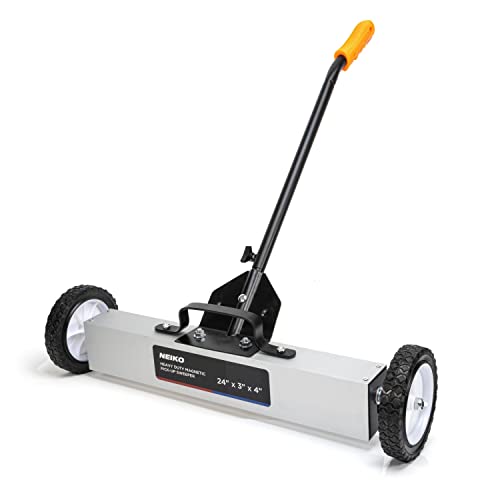
NEIKO 53416A 24” Rolling Magnetic Sweeper with Wheels, 50 Pound Capacity, Adjustable Handle & Floor Magnet Clearance Height, Metal Pick Up and Nail Magnet, Floor Sweeper for Construction, Shop, Etc.
MAGNETIC SWEEPER: This rolling magnet sweeper is designed to retrieve nails, screws and all ferrous metal objects off…
As an affiliate, we earn on qualifying purchases.
As an affiliate, we earn on qualifying purchases.