To keep your lobby scratch-free, use gentle sweeping tools like microfiber dust mops or soft-bristled brooms every day. Regularly remove sand and salt to prevent abrasive particles from scratching surfaces. Follow up with a damp mop using a neutral cleaner suited for your floor type, and avoid harsh chemicals. Place absorbent mats at entrances and clean them often to trap debris. Maintain this routine consistently for a safe, spotless environment—continue to discover more tips to protect your space effectively.
Key Takeaways
- Use soft-bristled brooms or microfiber dust mops for gentle, scratch-free sweeping of lobby surfaces.
- Follow sweeping with a damp mop using neutral pH cleaner suitable for the flooring type.
- Place high-quality, absorbent mats at entrances, and clean them regularly to trap sand and salt.
- Inspect floors periodically for salt-induced damage and address issues promptly with recommended sealants.
- Maintain a consistent cleaning schedule with gentle tools to prevent long-term damage and preserve lobby safety.
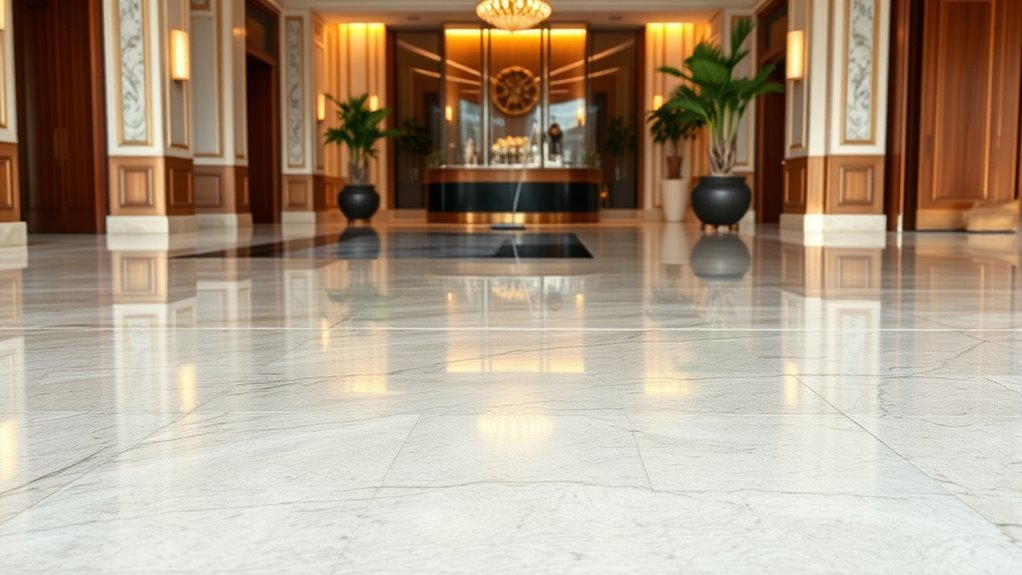
During winter months, sand and salt are essential for keeping outdoor walkways safe, but they often find their way into building lobbies, creating messes and potential damage. As someone responsible for interior maintenance, you know that managing this winter debris is crucial to maintaining a clean, safe, and welcoming environment. When sand and salt are tracked inside, they can create slippery surfaces, increasing the risk of accidents. Plus, if not handled properly, they can cause long-term damage to flooring and other interior surfaces. That’s why implementing a scratch-free sweeping routine becomes vital during the colder months.
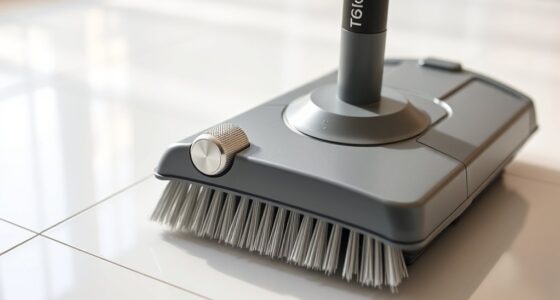
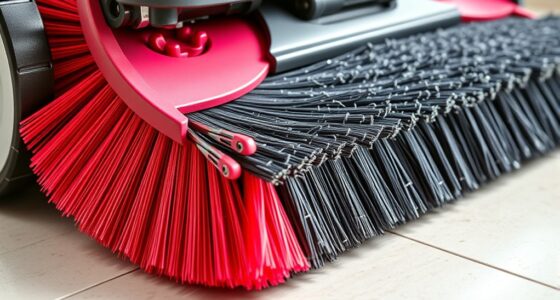
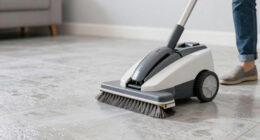
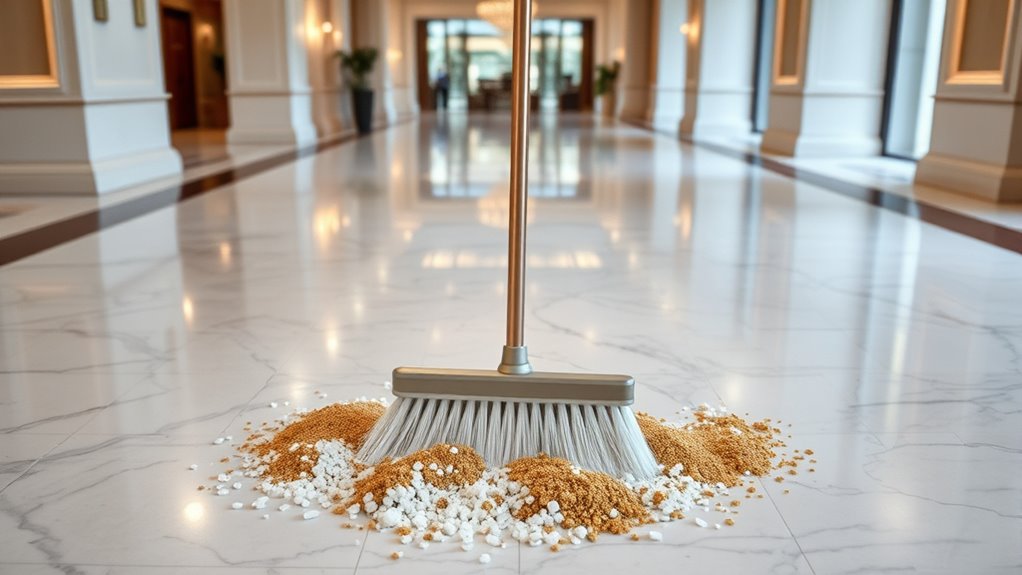
Your first step is to establish a regular cleaning schedule. Sweeping frequently prevents the accumulation of abrasive particles that can scratch floors and degrade finishes over time. Use a soft-bristled broom or a microfiber dust mop designed specifically for delicate surfaces. These tools effectively pick up sand and salt without scratching or damaging the flooring. Avoid using stiff brushes or harsh scrubbing tools, which can cause more harm than good. Remember, gentle but consistent sweeping is your best strategy for preserving the integrity of your interior surfaces.
Establish a regular sweeping routine with soft tools to protect delicate flooring surfaces.
When it comes to winter safety, you want to ensure that your lobby remains slip-free. After sweeping, consider applying a damp mop with a neutral pH cleaner designed for your specific flooring type. This step helps remove any residual salt or grit, reducing the chance of slips and falls. Be cautious with cleaning solutions—some harsh chemicals can react with salt deposits, causing discoloration or surface damage. Follow manufacturer instructions for your flooring to avoid unintended consequences.
Another key component of interior maintenance during winter is managing the entryway mats. Place high-quality, absorbent mats at all entrances to trap sand and salt before they spread further inside. Encourage visitors and staff to wipe their feet thoroughly, which significantly reduces the amount of debris tracked indoors. Regularly cleaning and replacing these mats ensures they remain effective in capturing abrasive particles.
Finally, stay vigilant for signs of damage caused by winter debris. Salt can corrode certain flooring materials and metal fixtures, so inspecting your lobby periodically is essential. Promptly address any issues like surface pitting, discoloration, or corrosion to prevent further deterioration. Protect vulnerable flooring with sealants or coatings recommended by flooring manufacturers, especially during the winter months when exposure to salt and grit is most intense. Maintaining a consistent cleaning routine and monitoring for damage will help preserve your lobby’s appearance and safety. By maintaining a disciplined routine for sweeping and cleaning, you keep your lobby safe, attractive, and well-preserved all season long.

CLEANHOME Microfiber Dust Mop for Hardwood Floor Cleaning, Dry and Wet Baseboard and Floor Duster, Household Cleaning Tool for Kitchen, Bathroom
Microfiber Dust Mop for Deep Cleaning:The microfiber mop designed to excel as a floor mop for deep cleaning….
As an affiliate, we earn on qualifying purchases.
As an affiliate, we earn on qualifying purchases.
Frequently Asked Questions
What Types of Sweepers Are Best for Sand and Salt Removal?
You should use automatic sweepers for efficient sand and salt removal, especially in large lobby areas, because they cover more ground faster and require less effort. Manual brooms work well for smaller spots or touch-ups, but they can scratch floors if not used carefully. Prioritize automatic sweepers for a scratch-free, thorough cleaning routine, ensuring your lobby stays clean without damaging the surface.
How Often Should Lobbies Be Swept During Winter Months?
During winter months, you should sweep your lobby at least twice daily, especially during peak foot traffic times. Follow a seasonal schedule that accounts for moisture considerations, as wet or icy conditions can cause salt and sand to stick more. Regular sweeping helps prevent scratches from abrasive particles, maintaining a scratch-free surface. Adjust frequency based on weather, and make certain your sweepers are suitable for removing both sand and salt efficiently.
Are There Eco-Friendly Options for Removing Sand and Salt?
Sure, eco-friendly options do exist for removing sand and salt. You can use biodegradable solutions that break down naturally, helping the environment. Reusable removal tools, like eco-friendly brooms or brushes, make cleaning more sustainable and less wasteful. Ironically, while you’re trying to keep your lobby pristine, these green choices guarantee you’re protecting the planet, proving that even cleanup can be both effective and environmentally responsible.
Can Regular Vacuuming Replace Sweeping for Sand and Salt?
Regular vacuuming can’t fully substitute dust mopping for sand and salt, as dust mops are designed for debris control on floors. Vacuuming may pick up loose particles, but it often misses the fine grit that can scratch surfaces. Use a dust mop daily to keep your lobby scratch-free, and supplement with vacuuming for thorough cleaning. This combo ensures effective debris control and maintains your floors’ pristine condition.
What Safety Precautions Should Be Taken During Sweeping?
You should wear personal protective equipment like gloves and masks to avoid dust inhalation and skin irritation. Guarantee spill containment by quickly cleaning any salt or sand spills to prevent slips and falls. Use a broom with soft bristles to avoid scratching floors. Always sweep in a gentle, controlled manner, and dispose of debris properly. Regularly check your equipment for damage to maintain safety and efficiency.

Angle Broom for Hardwood Floors – Soft Bristled Kitchen Broom, Indoor & Office Use (Off White)
Multi-purpose cleaning:Brooms for sweeping indoor are suitable for various floors, including wood flooring, tile, marble, and concrete, and…
As an affiliate, we earn on qualifying purchases.
As an affiliate, we earn on qualifying purchases.
Conclusion
By adopting a consistent sweeping routine, you can effectively keep sand and salt at bay, preserving your lobby’s pristine appearance. Did you know that regular cleaning can reduce the buildup of abrasive particles by up to 60%? This not only extends the lifespan of your flooring but also creates a safer, cleaner environment for everyone. So, stay proactive with your sweeping, and you’ll notice a noticeable difference in both cleanliness and long-term maintenance.

Zep Neutral PH Industrial Floor Cleaner – 1 Gallon – ZUNEUT128 – Concentrated Pro Trusted All-Purpose Floor Cleaner
Maintains polish without stripping protective coating
As an affiliate, we earn on qualifying purchases.
As an affiliate, we earn on qualifying purchases.

EZ2LIVE Front Door Mat, 3' x 5' Heavy Duty Door Mat Outside Entrance, Non-Slip Welcome Mat, Absorbent & Dirt Resistant, Low Profile Large Door Mats, Commercial Rugs for Entryway Indoor Outdoor, Grey
Absorbent & Resistant Dirt: The heavy duty outdoor mats for front door is made of high-quality polyester fibers…
As an affiliate, we earn on qualifying purchases.
As an affiliate, we earn on qualifying purchases.