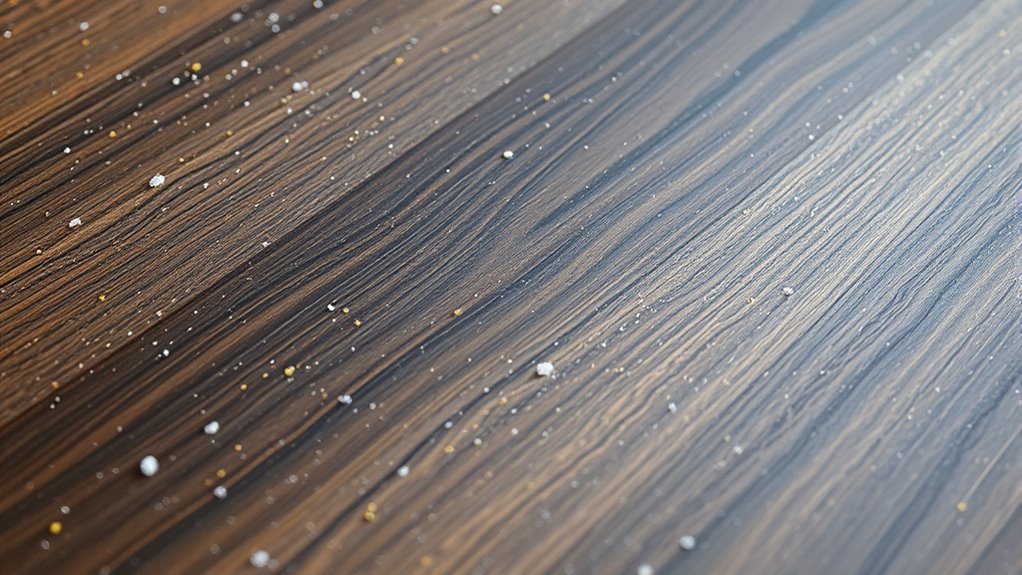
To keep your vinyl plank floors scratch-free from sand and salt, you should sweep regularly with a microfiber broom or soft-bristled brush to remove loose debris gently. Use a vacuum with clean filters to pick up tiny particles without scattering them. Before mopping, make certain the surface is free of loose grit, then clean with a damp microfiber mop using a neutral cleaner or warm water. Proper techniques protect your floors and prolong their life—continue now to discover more tips.

Get cleaning gear delivered free with Prime
- Fast, free delivery on millions of items
- Prime Video, Amazon Music and more included
- Member-only deals all year
Key Takeaways
- Use a microfiber broom or soft-bristled brush to gently sweep away loose sand and salt particles.
- Ensure vacuum filters and brushes are regularly cleaned to prevent scattering debris during cleaning.
- Sweep in gentle, back-and-forth motions to avoid scratches from abrasive materials.
- Use a damp microfiber mop with vinyl-specific or pH-neutral cleaner for effective dirt removal.
- Dry the floor immediately after mopping with a microfiber cloth or dry mop to prevent water spots.
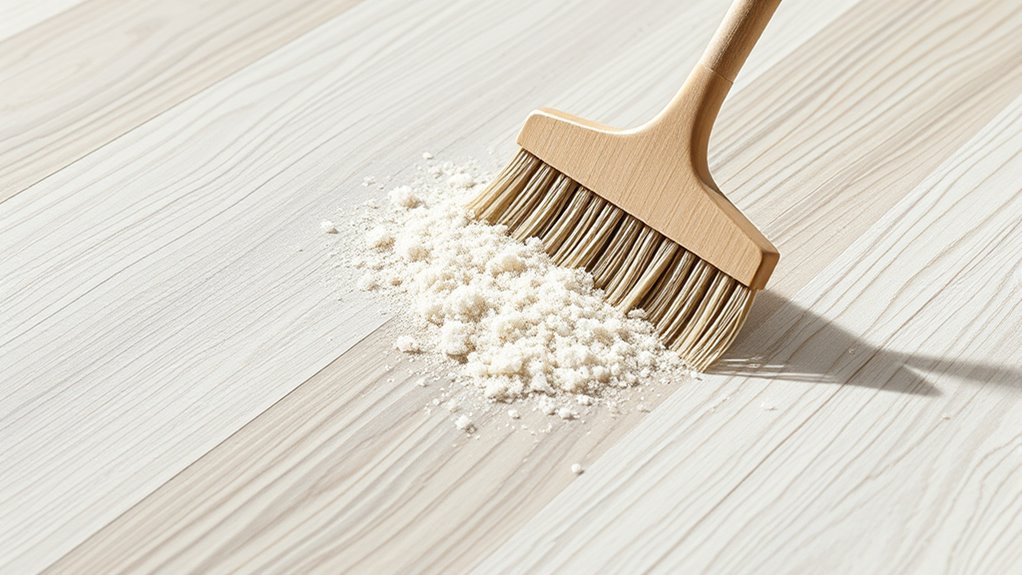
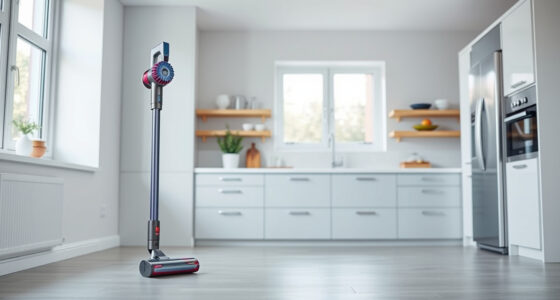
Keeping your vinyl plank floors clean is vital to maintaining their appearance and longevity. One common issue homeowners face is dealing with sand and salt, especially during winter months or in sandy environments. These materials can cause scratches and dullness if not managed properly. The key to preventing damage lies in a consistent, scratch-free sweeping routine combined with proper vacuum maintenance and effective mop techniques. When you start your cleaning, make sure your vacuum is in top shape—clean the filters and brushes regularly so it can pick up tiny particles like sand and salt without scattering debris across your floors. A well-maintained vacuum ensures you don’t press dirt into the surface or create new scratches, which is essential for preserving the finish of your vinyl plank flooring.
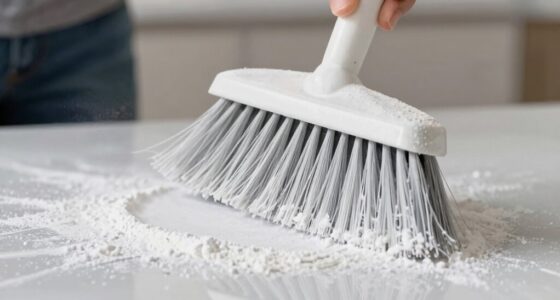
After vacuuming, use a microfiber broom or a soft-bristled brush to sweep away loose particles. Sand and salt are tiny but abrasive, so gentle sweeping prevents them from scratching your floor’s surface. Avoid using stiff brushes or harsh brooms that could potentially damage the vinyl. When you’re ready to mop, employ gentle, efficient mop techniques. Use a damp mop—not soaking wet—to lift remaining dirt and residues without leaving excess water that could seep into seams or damage the planks. A microfiber mop head works best because it traps dust and particles effectively, reducing the risk of scratching. Make sure to change the water frequently to prevent redistributing dirt during mopping. You should also use a cleaning solution specifically designed for vinyl floors, or simply a mix of warm water and a few drops of a gentle, pH-neutral cleaner.
Proper floor maintenance is essential for preventing long-term damage and keeping your floors looking their best. As you mop, work in small sections, moving the mop in a back-and-forth motion to lift dirt and salt residues thoroughly. Avoid aggressive scrubbing or circular motions, which can cause streaks or scratches over time. After mopping, go over the floor with a dry microfiber cloth or a clean, dry mop to remove any remaining moisture, helping to prevent water spots or streaks. Regularly inspecting your vacuum and keeping it well-maintained ensures debris doesn’t accumulate and scratch your floors during routine cleaning. When combined with proper mop techniques—using gentle pressure and avoiding excess water—you effectively keep sand and salt away from your vinyl plank floors, maintaining their shine and preventing damage. This simple routine, when performed consistently, will keep your floors looking new and extend their lifespan without the need for costly repairs or replacements.
microfiber broom for vinyl floors
As an affiliate, we earn on qualifying purchases.
As an affiliate, we earn on qualifying purchases.
Frequently Asked Questions
Can I Use a Vacuum With a Beater Bar on Vinyl Plank Floors?
You can use a vacuum with a beater bar on vinyl plank floors, but you should check your vacuum’s maintenance and adjust the beater bar height to prevent scratches. For regular cleaning, a gentle sweep or a vacuum with a soft brush is best, especially if you sweep frequently. Avoid aggressive agitation, as it might damage the surface. Regular sweeping helps reduce dirt buildup, making vacuuming safer and more effective.
Is It Safe to Use Steam Mops on Vinyl Plank Flooring?
Is steam cleaning safe on vinyl plank floors? Not entirely. The high heat and moisture from steam mops can warp or damage the planks over time. Instead, try vinegar solutions for a gentle clean—mix a cup of vinegar with water. This method effectively lifts dirt without risking warping. Keep your floors pristine by avoiding steam mops and opting for safer, natural cleaning solutions.
How Often Should I Replace My Sweeping Tools?
You should replace your sweeping tools every 3 to 6 months, depending on how often you sweep and the wear on your tools. Regularly check your broom or dust mop for frayed bristles or worn-out fibers. Maintaining a consistent sweeping frequency helps protect your vinyl plank floors from scratches caused by dirt or debris. Following a proper tool replacement schedule ensures effective cleaning and keeps your floors looking their best.
Are There Specific Cleaners Recommended for Removing Salt Stains?
You should use gentle cleaning solutions like a mixture of warm water and a few drops of mild dish soap to remove salt stains from vinyl plank floors. Avoid harsh chemicals that can damage the surface. For stubborn stains, try a solution with a bit of vinegar. Always test a small area first, and use a soft cloth or mop to carefully clean, ensuring you don’t scratch or discolor your floor.
What Are the Best Protective Pads for Furniture on Vinyl Floors?
You should choose furniture pads specifically designed for vinyl floors to guarantee proper vinyl protection. Opt for felt or rubber pads, as they provide a smooth barrier that prevents scratches and dents. Regularly check and replace these pads when they wear out. By using the right furniture pads, you protect your vinyl floors from damage and maintain their beauty, especially in high-traffic areas.
Conclusion
By sticking to this simple sweeping routine, you’ll turn your vinyl plank floor into an impenetrable fortress against scratches—so tough, even a herd of stampeding elephants couldn’t leave a mark! Say goodbye to endless worries about sand and salt ruining your beautiful floors. With just a quick sweep, you’ll keep your floors looking brand new for decades, making you the superhero of home maintenance. Get sweeping, and watch those pesky particles vanish like magic!
Halloween Picks
halloween
As an affiliate, we earn on qualifying purchases.