
TL;DR

Get cleaning gear delivered free with Prime
- Fast, free delivery on millions of items
- Prime Video, Amazon Music and more included
- Member-only deals all year
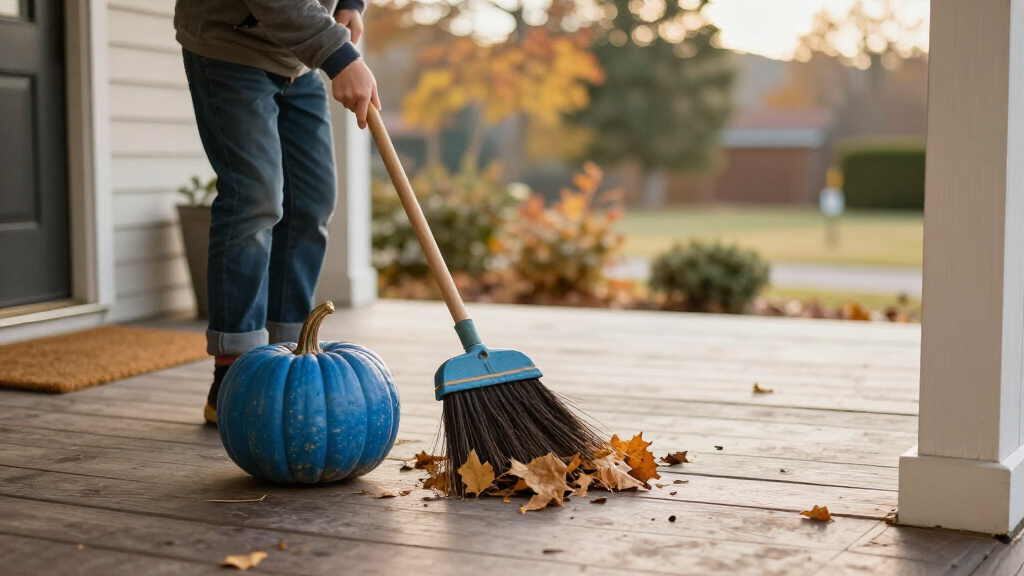
A blue pumpkin displayed for Halloween is commonly used to signal support for autistic children and visitors with sensory processing differences. The display can be a welcoming gesture, but its meaning and any accommodations should not be assumed without checking with the household.
A blue pumpkin on a Halloween porch is commonly displayed as a sign of support for autistic trick-or-treaters and visitors with sensory processing differences, according to home and seasonal-decor guidance from Hunker. The color may indicate that a household aims to be welcoming, including to children who are nonverbal, but the decoration alone does not confirm what accommodations the home offers.
Hunker reports that some households choose blue pumpkins to communicate support for autism and sensory processing disorders. The display can help families identify homes that intend to be inclusive of children who may experience Halloween differently, including children who communicate without speech. The report compares the pumpkin to a blue porch light used to show support for autism.
For people who want to use the symbol, Hunker suggests painting a natural pumpkin blue or setting out an artificial one. It advises placing the pumpkin somewhere clearly visible, such as near the front door. Other decorations can reinforce the message, but the report says they should accompany the blue pumpkin rather than replace it.
The color distinction matters: a teal pumpkin is associated with the Teal Pumpkin Project, which signals that a household offers allergy-friendly treats or non-food items. Blue and teal displays may appear together, but they communicate different things. The Hunker report does not identify a formal system that verifies what a blue-pumpkin household provides.
A Signal, Not a Service Guarantee
The blue pumpkin can give families a visual indication that a household aims to welcome children with different communication or sensory needs. Hosts may use flexible greetings and approaches for children who do not speak or find ordinary trick-or-treat interactions difficult. The symbol is also used to raise awareness of inclusion in Halloween activities.
A decoration does not establish that a home has specific supports in place. The Hunker report describes the pumpkin as a sign of support, not a regulated label or a promise of particular services. Families should not infer details from color alone; hosts can explain directly what they are able to offer.
As an affiliate, we earn on qualifying purchases.
Blue and Teal Have Different Uses
Halloween porch decorations can carry meanings beyond seasonal style. Hunker notes that purple pumpkins are also used to convey a particular message, while blue pumpkins are associated with support for autistic people and visitors with sensory processing differences. The report describes these colors as visible signals of welcome, rather than simply variations in autumn décor.
Teal has a separate association. The Teal Pumpkin Project uses teal pumpkins to indicate allergy-aware options, such as treats free of major food allergens or non-food items. A household can participate in both efforts, but the colors should remain identifiable and the host should provide the options each display represents. This distinction helps visitors avoid treating blue and teal as interchangeable symbols.
“A blue pumpkin may indicate support for visitors with autism and/or sensory processing disorders.”
— Hunker
What the Color Cannot Confirm
The Hunker report does not identify a single official authority that defines or certifies the blue-pumpkin symbol. It also does not establish that every household displaying one offers the same accommodations. A pumpkin may express support, but it does not indicate whether a host has a quiet space, alternative ways to communicate, or particular treats available.
The report does not establish how widely the blue-pumpkin meaning is recognized in every community. Families may interpret the display differently or may not know the association. The color may signal support; visitors can ask the household about practical arrangements.
How Hosts Can Follow Through
Households displaying a blue pumpkin can keep it visible and greet visitors without requiring a spoken response. Hosts can explain available options, allow extra time, and avoid assuming that autistic children have the same preferences or needs. These steps can help align the display’s message with the interaction.
Households using both blue and teal pumpkins can make the colors easy to distinguish and provide the allergy-friendly or non-food options associated with the teal display. Visitors can treat a blue pumpkin as an indication of welcome, not a guarantee, and ask the host directly about specific accommodations or ingredients.
Key Questions
What does a blue pumpkin on a porch mean?
It is commonly used during Halloween to show support for autistic people and visitors with sensory processing differences. It may signal that a household aims to be welcoming, but does not certify specific accommodations.
Does a blue pumpkin mean the home has special accommodations?
Not necessarily. The symbol communicates support or an intention to be inclusive, but the Hunker report does not describe it as a verified standard. Ask the household directly about any particular needs.
How is a blue pumpkin different from a teal pumpkin?
Blue is associated with support for autistic trick-or-treaters and people with sensory processing needs. Teal is associated with allergy-friendly treats or non-food items through the Teal Pumpkin Project.
Can a household display both colors?
Yes. Hunker says households can support both causes, but should keep the pumpkins visible and provide the options each color represents so visitors are not misled.
Source: rss
Halloween Picks
halloween
As an affiliate, we earn on qualifying purchases.