TL;DR

Get cleaning gear delivered free with Prime
- Fast, free delivery on millions of items
- Prime Video, Amazon Music and more included
- Member-only deals all year
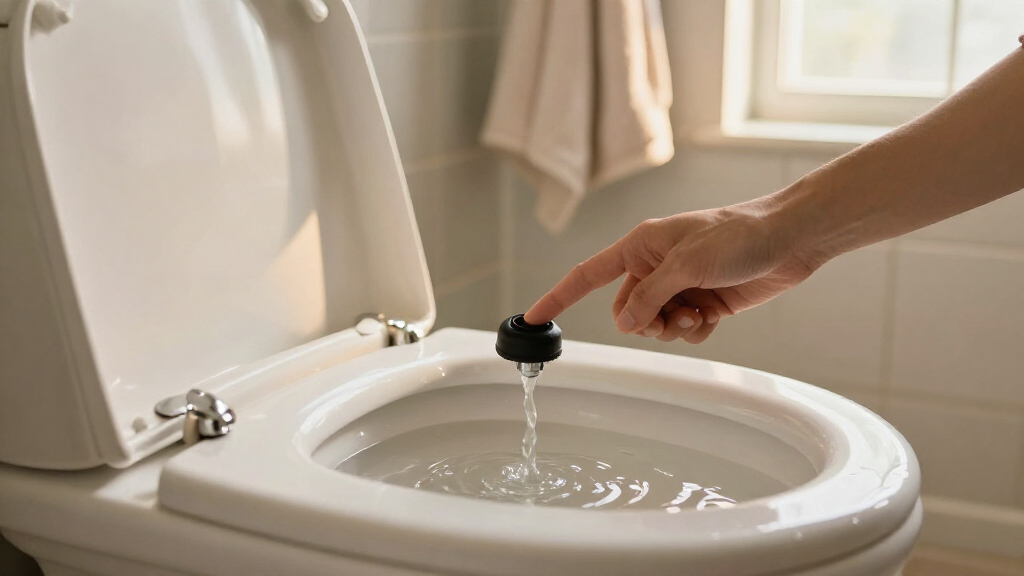
A toilet flapper is the tank valve that opens when you flush, letting water flow into the bowl, and closes to allow the tank to refill. If it does not seal or lift properly, the toilet may run continuously or flush weakly; a leak can waste water.
The toilet flapper is the movable valve inside the tank that controls when water flows into the bowl: it lifts during a flush, then drops back to seal the tank outlet. A Hunker report says a flapper that does not close can leave a toilet running and waste water, while one that fails to lift can make flushing difficult.
In many toilets, the flapper is a rubber or plastic disc positioned over the opening at the bottom of the tank. A chain connects it to a narrow trip lever, which is attached to the flush handle. Pressing the handle moves the lever and pulls the flapper up, opening the outlet so water can travel from the tank into the bowl.
After the flush, the flapper falls back into place and blocks the outlet. The tank can then refill for the next flush. The report compares the part to a bathtub drain stopper: both control when water is allowed to leave a reservoir. Flapper designs and shapes can vary, but the basic role is similar.
A flapper that is cracked, poorly sealed or unable to settle over the opening may let water leak continuously from the tank into the bowl. A flapper that sticks shut, or closes too soon after lifting, can restrict the flush. The report says the chain or flush lever may also be involved when the valve does not move as it should.
How a Small Valve Affects Flushing
The flapper is a small component, but it controls the tank’s release of water—the part of the flush that carries water into the bowl. When it cannot seal, the toilet may keep refilling as water escapes from the tank. The source notes this can be an annoyance and can waste water, potentially increasing a household water bill. It does not provide a leak rate or cost estimate, so the amount of waste and expense will depend on the particular leak and local water charges.
A flapper problem can also affect whether a toilet flushes effectively. If the valve stays shut or falls back too quickly, too little water may leave the tank. Recognizing the difference between a leak and a weak flush can help narrow down what to inspect, though the flapper is not the only possible cause. The report notes that a stuck valve can involve the chain or flush lever as well.
Products Worth Considering

eufy Security eufyCam C37 4-Camera Kit with 360° Pan and Tilt

Philips Hue Bridge Pro Smart Lighting Hub

Dyson V8 Cyclone Cordless Vacuum
As an affiliate, we earn on qualifying purchases.
The Flush Handle’s Link to the Tank
The flapper operates as part of a simple mechanical chain of parts. The flush handle moves a trip lever; the lever pulls a chain; and the chain raises the flapper. Once the water has drained to the point that the flapper settles back over the outlet, the tank begins refilling. The sequence explains why a problem that seems to start at the handle may involve a connection inside the tank.
Not every toilet uses an identical-looking valve. Hunker says flappers can differ in shape and design, while serving roughly the same purpose. Its report describes replacement as generally quick and easy, but it does not give step-by-step repair instructions or address differences among toilet models. The specific part and cause of a fault therefore cannot be determined from the general explanation alone.
“The short answer is that it controls the flow of water exiting the tank.”
— Hunker report
The Cause Depends on the Toilet
The source does not establish how much water a faulty flapper wastes, how much a resulting bill might rise, or how long a particular valve will last. It also does not identify a specific toilet model or diagnose any individual toilet. A running or weak-flushing toilet can involve the flapper, but the report says a stuck valve may also point to the chain or flush lever. The exact cause and repair needed remain specific to the toilet.
Check the Valve and Its Connections
For a toilet that runs or flushes poorly, the report’s explanation points to the flapper and the parts that move it as places to inspect: whether the valve rests over the outlet, whether it can lift, and whether its chain and lever are connected and moving. If a flapper is damaged or cannot seal, Hunker says these valves are generally quick and easy to replace. The report does not provide a repair procedure, so the correct replacement and method depend on the toilet’s design.
Key Questions
What does the toilet flapper do?
It opens the tank outlet when lifted during a flush, allowing water to flow into the bowl, then closes the outlet so the tank can refill.
Why does a faulty flapper make a toilet run?
If it is cracked or does not seal against the outlet, water can keep passing from the tank into the bowl. The tank may then continue refilling, and the leak can waste water.
Can a flapper cause a weak flush?
Yes. If it does not lift, or drops back into place too soon, too little water may leave the tank. The chain or flush lever may also be part of the problem.
Do all toilet flappers look the same?
No. The report says flappers can have different shapes and designs, though they serve roughly the same purpose. The right replacement depends on the toilet.
Source: hunker.com