
To build a better restroom floor cleaning plan, start by selecting eco-friendly, biodegradable products that protect health and the environment. Train your staff on proper use, safety, and regular refreshers to keep skills sharp. Establish a routine schedule, increasing frequency in high-traffic areas, and use quality, ergonomic equipment for efficiency. Monitor results through feedback and inspections, making adjustments when needed. Keep these tips in mind, and you’ll create a more effective, sustainable cleaning plan that truly makes a difference.
Listen free for 30 days with Audible
Thousands of audiobooks and originals — cancel anytime.
As an affiliate, we earn on qualifying purchases.
Key Takeaways
- Develop a detailed cleaning schedule with increased frequency for high-traffic restroom areas.
- Use eco-friendly, biodegradable cleaning products to ensure safety and sustainability.
- Train staff on proper floor cleaning techniques and safety precautions regularly.
- Invest in quality, ergonomic equipment like microfiber mops and effective scrub brushes.
- Monitor cleaning outcomes, gather feedback, and adjust methods for continuous improvement.
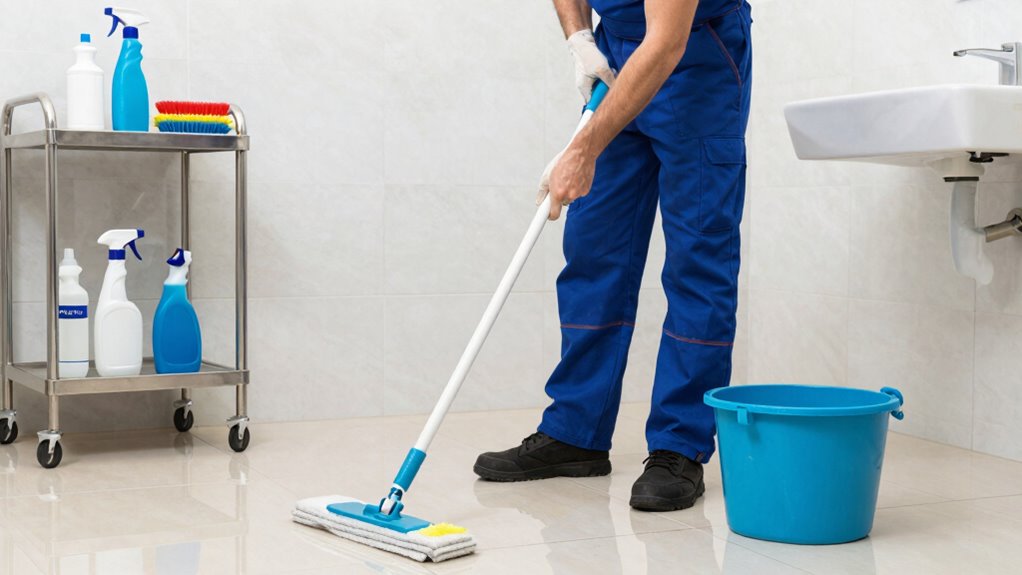
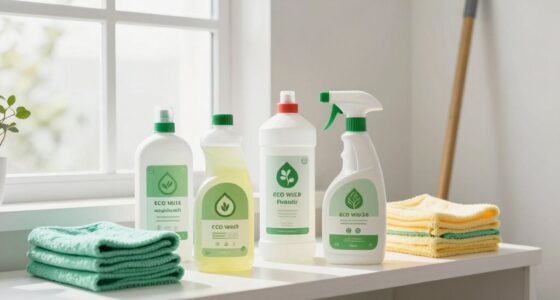
Ever wondered how to keep restroom floors spotless and safe? The key lies in developing a well-thought-out cleaning plan that emphasizes efficiency, safety, and environmental responsibility. A vital first step is selecting the right cleaning products. Eco-friendly products are increasingly popular because they reduce harmful chemicals in the environment and protect the health of your staff and users. These products are often just as effective as traditional cleaners but come with the added benefit of being biodegradable and free from toxins. By opting for eco-friendly solutions, you demonstrate your commitment to sustainability and create a safer restroom environment for everyone.
Once you’ve chosen appropriate cleaning supplies, staff training becomes essential. Your team needs to understand how to use these products correctly to maximize their effectiveness and minimize waste. Training sessions should cover proper application techniques, safety precautions, and the importance of using the right amount of product. When staff are well-educated, they can work more efficiently, reducing cleaning time while maintaining high standards of hygiene. Regular refreshers keep everyone updated on the latest best practices and reinforce the importance of consistency. Incorporating proper training methods ensures your team stays informed and motivated to follow the cleaning protocols diligently.
A thorough cleaning schedule is another critical component of your restroom floor cleaning plan. Establishing routines—such as daily sweeping and mopping—helps prevent dirt and grime buildup. For high-traffic areas, consider more frequent cleaning to maintain safety and appearance. Make sure to assign clear responsibilities and provide checklists so nothing gets overlooked. When your staff understands their roles and follows a consistent routine, the floors stay cleaner longer, and the risk of slips and falls diminishes. Incorporating regular inspections can help identify problem spots early and ensure adherence to standards. Additionally, using monitoring tools like checklists or digital tracking can streamline this process and promote accountability.
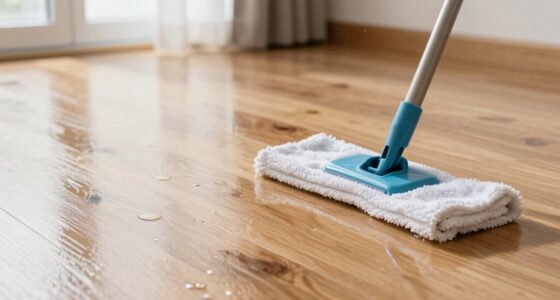
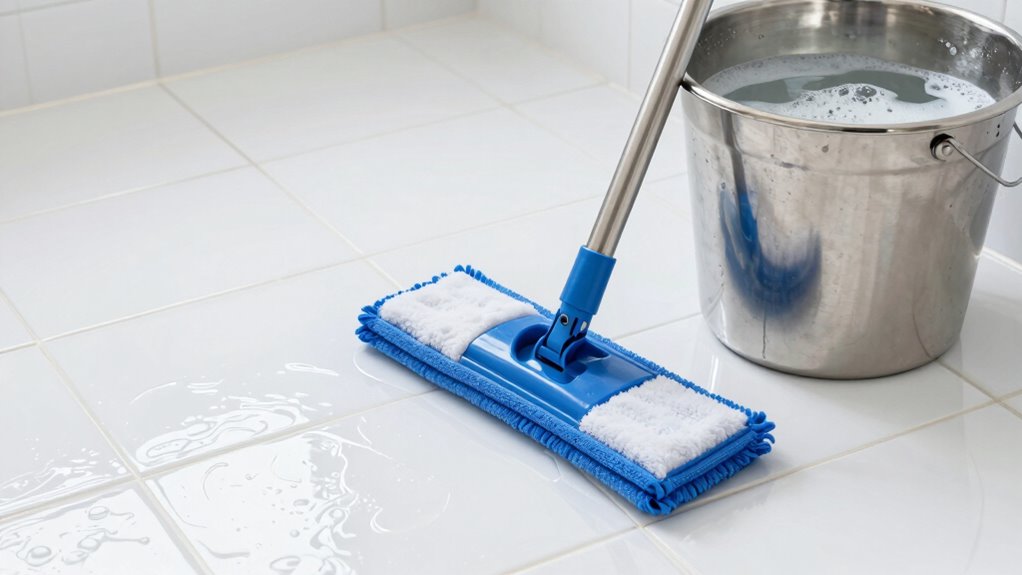
In addition, investing in quality cleaning equipment enhances your plan’s effectiveness. Use durable, ergonomically designed mops, microfiber cloths, and scrub brushes that can withstand frequent use. Proper equipment not only improves cleaning results but also reduces fatigue for your staff, encouraging thoroughness. Also, ensure that cleaning carts contain all necessary supplies, making it easier for staff to work efficiently without unnecessary trips. Regularly maintaining and replacing equipment when needed is crucial to sustain optimal cleaning performance and hygiene standards.
Finally, monitor and evaluate your cleaning plan regularly. Gather feedback from staff and restroom users to identify any issues or areas for improvement. Adjust your schedule, products, or training as needed to keep standards high. Incorporating eco-friendly products can make a significant difference in reducing environmental impact and promoting sustainability. Continuously refining your approach and prioritizing safety, environmental responsibility, and staff education ensures you create a restroom floor cleaning plan that’s both effective and sustainable. This proactive approach guarantees cleaner, safer floors that leave a positive impression on everyone who uses your facilities.

ATTITUDE Floor Cleaner, EWG Verified, Streak-Free, Vegan & Plant-Based for Tile, Wood & Laminate Floors, Citrus Zest Scent, 35.2 Fl Oz
- EWG Verified: Certified safe and non-toxic ingredients
- Natural Formula: 94% natural origin ingredients
- Streak-Free Shine: Leaves floors spotless and shiny
As an affiliate, we earn on qualifying purchases.
As an affiliate, we earn on qualifying purchases.
Frequently Asked Questions
How Often Should Restroom Floors Be Cleaned for Optimal Hygiene?
You should clean restroom floors at least daily to maintain ideal hygiene. Regular restroom maintenance ensures germs and dirt don’t accumulate, reducing health risks. For floor durability, consider deep cleaning twice a week with appropriate disinfectants, especially in high-traffic areas. Consistent cleaning not only keeps the space sanitary but also prolongs the lifespan of your flooring, preventing damage caused by grime and moisture buildup.
What Type of Cleaning Products Are Safest for Restroom Floors?
You might think harsh chemicals are the way to go, but eco-friendly solutions and pH balanced cleaners are actually safest for restroom floors. They’re gentle on surfaces, reduce harmful residue, and protect your staff and users. Ironically, the most “powerful” cleaners aren’t always the best choice—so opt for environmentally safe products that effectively clean without compromising safety or the environment. Your restroom will stay fresh and safe, effortlessly.
How Can I Prevent Slippery Floors After Cleaning?
To prevent slippery floors after cleaning, you should focus on maintaining good floor traction and reducing slip hazards. Use cleaning products that leave minimal residue and guarantee thorough rinsing. Allow floors to dry completely before opening them to foot traffic, and consider applying anti-slip treatments or non-slip mats in high-traffic areas. Regularly inspect and maintain floor surfaces to keep traction high and slip hazards low, ensuring safety for everyone.
What Equipment Is Most Effective for Deep Cleaning Restroom Floors?
You grab a heavy-duty scrub mop, its fibers soaking up cleaning solutions, ready to tackle stubborn grime. A steam cleaner proves most effective, loosening dirt deep within tiles with its powerful heat and pressure. Pair this with a microfiber pad for polishing, following a consistent cleaning schedule. Use these tools with your mopping techniques for a deep clean that leaves floors spotless, dry, and safe for everyone.
How Do I Handle Stubborn Stains on Restroom Floors?
To handle stubborn stains on restroom floors, focus on effective stain removal and cleaning techniques. Start by pre-treating the stain with a suitable cleaner, like a commercial enzymatic or degreasing agent. Use a scrub brush or pad to agitate the area thoroughly, then let the cleaner sit for a few minutes. Rinse with clean water, and repeat if necessary. Consistent, targeted cleaning will help eliminate tough stains and restore your restroom’s cleanliness.
Conclusion
By following these simple steps, you’ll keep your restroom floors spotless and hygienic. Consistency and attention to detail are key — don’t let things slip through the cracks. Remember, a clean restroom isn’t just about appearances; it’s about health and safety. Stick to your plan, and you’ll find that a clean floor can truly make a world of difference. After all, a tidy space is a happy place, so don’t let your standards slip!
Pool season Picks
robotic pool cleaners
As an affiliate, we earn on qualifying purchases.