
To choose the right cleaning frequency, consider the specific needs of your facility. Residential spaces need regular surface tidying and deep cleans to prevent dirt buildup. Offices require daily or every-other-day disinfecting of common areas, while healthcare settings need multiple daily cleans with specialized disinfectants. Schools should focus on daily cleaning of shared spaces and high-touch surfaces. Balancing safety, efficiency, and activity levels helps maintain hygiene without over-cleaning. If you want to master tailoring your schedule, keep exploring further.

Get cleaning gear delivered free with Prime
- Fast, free delivery on millions of items
- Prime Video, Amazon Music and more included
- Member-only deals all year
Key Takeaways
- Assess the environment’s usage levels and foot traffic to determine appropriate cleaning frequency.
- Follow industry standards and health regulations specific to each facility type.
- Prioritize high-touch and high-risk areas for more frequent cleaning.
- Balance cleaning needs with available resources to avoid over- or under-cleaning.
- Adjust cleaning schedules based on occupancy, activity level, and hygiene requirements.
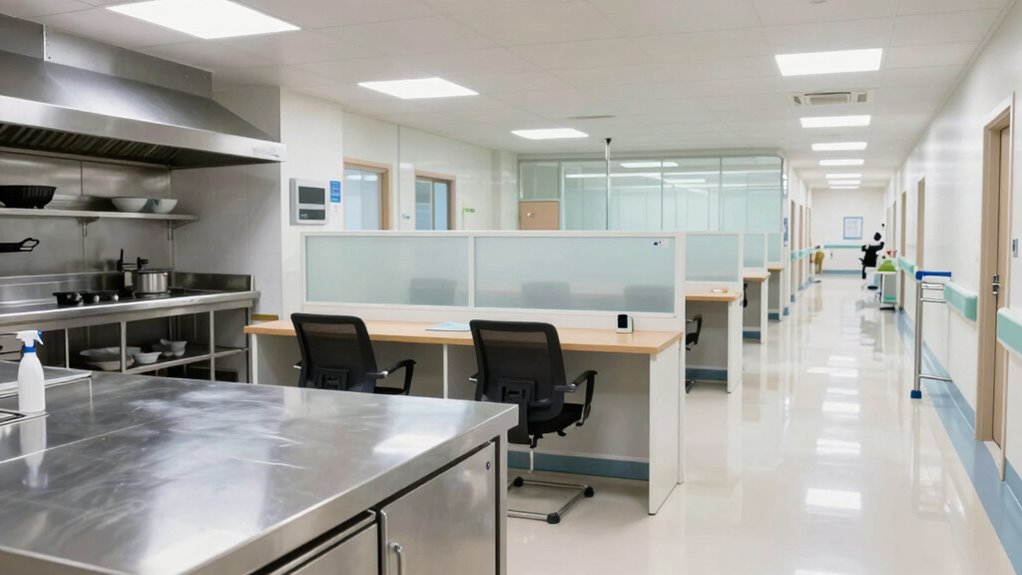
Keeping your space clean is fundamental for health and comfort, but figuring out how often to clean can be tricky. The key is establishing effective cleaning schedules that match your facility’s specific needs. Different environments demand varying frequencies, and understanding these differences helps you maintain a safe, hygienic space without wasting time or resources. Your cleaning routines should be tailored to the type of facility, the level of foot traffic, and the nature of activities conducted there.
Effective cleaning schedules tailored to your facility’s needs ensure safety, hygiene, and resource efficiency.
For residential spaces, cleaning routines typically involve regular daily tasks like tidying up, wiping surfaces, and vacuuming high-traffic areas. Weekly or bi-weekly deep cleans might include mopping floors, cleaning bathrooms, and dusting. The goal is to keep dirt, dust, and germs at bay without overdoing it. You don’t need to scrub every day, but consistency is essential to prevent buildup and maintain a healthy environment.
In office settings, a more structured approach to cleaning schedules is necessary. Common areas such as lobbies, kitchens, and restrooms require frequent attention—often daily or every other day. Workspaces may need less frequent cleaning unless there’s food consumption or high foot traffic. Regular maintenance routines should focus on disinfecting surfaces, emptying trash, and sanitizing shared equipment to reduce the spread of germs. By setting clear schedules, you guarantee that hygiene standards are met consistently, which keeps employees healthy and productive. Additionally, implementing efficient cleaning practices can help streamline operations and reduce downtime. Considering cleaning frequency based on usage patterns ensures resources are allocated effectively.
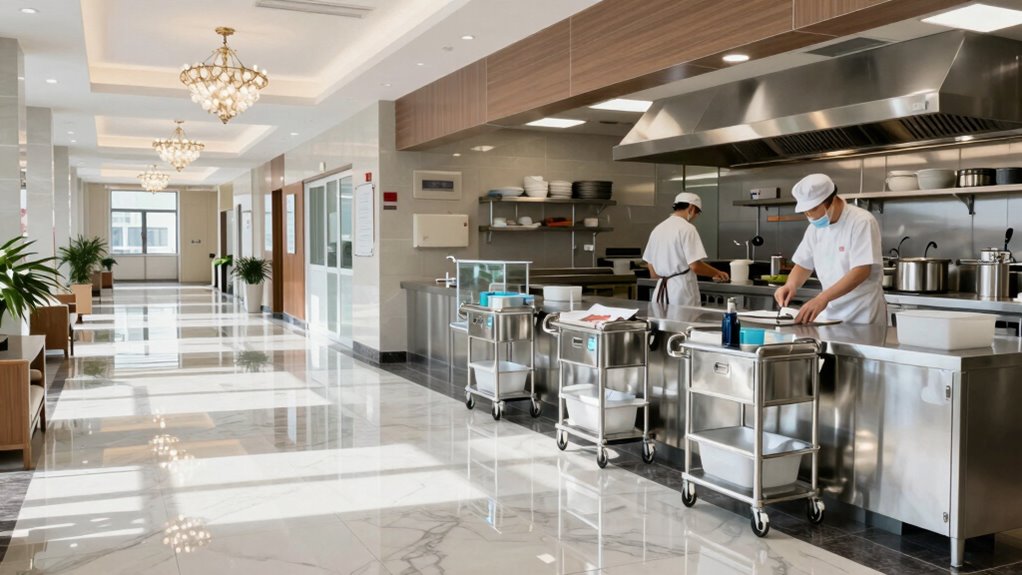
Healthcare facilities demand the highest level of cleanliness due to the risk of infection. Cleaning schedules here are intense and highly regimented. Surfaces, patient rooms, and equipment require multiple cleanings daily, often involving specialized disinfectants and procedures. Maintenance routines are strict, with detailed documentation to guarantee compliance with health regulations. You need a disciplined approach to cleaning frequency, often involving daily, hourly, or even continuous cleaning cycles in critical areas.
Educational institutions also benefit from well-planned cleaning routines. Classrooms, cafeterias, and restrooms should be cleaned daily, with high-touch surfaces disinfected multiple times throughout the day. This prevents the spread of germs among students and staff. Regular maintenance routines involve vacuuming carpets, sanitizing desks, and refilling supplies to sustain a healthy learning environment.
No matter the facility, understanding the importance of aligning cleaning schedules with the specific demands of your environment is essential. You want to strike a balance—clean enough to guarantee safety and comfort, but not so frequently that it becomes inefficient or disruptive. Developing a tailored cleaning routine ensures you meet health standards while optimizing your resources, keeping your space both clean and functional. Additionally, considering dust-proofing solutions can significantly reduce ongoing cleaning efforts by minimizing dust accumulation in your environment.
As an affiliate, we earn on qualifying purchases.
Frequently Asked Questions
How Does Foot Traffic Influence Cleaning Schedules?
Foot traffic directly influences your cleaning schedules because busier areas need more frequent cleaning to maintain hygiene and prevent dirt buildup. When foot traffic is high, you should increase cleaning frequency, especially in high-touch zones like door handles or counters. Conversely, low-traffic areas can have less frequent cleanings. Monitoring foot traffic helps you adjust your schedules efficiently, ensuring cleanliness without unnecessary effort or resources.
What Are the Cost Implications of Increased Cleaning Frequency?
Increasing cleaning frequency is like adding fuel to a fire—it boosts cleanliness but also burns through your budget faster. You’ll need to prioritize cost optimization and smart budget planning to balance expenses with cleanliness standards. More frequent cleanings mean higher labor and supply costs, so carefully evaluate your facility’s needs. By doing so, you’ll guarantee your investment keeps your space spotless without overwhelming your financial resources.
How Can I Assess Cleanliness Standards Effectively?
You can assess cleanliness standards effectively by regularly inspecting surfaces for dirt, grime, and stains, ensuring they meet your desired Cleaning effectiveness. Use checklists and standardized cleaning protocols to maintain Maintenance consistency. Additionally, gather feedback from staff and visitors, and perform periodic deep cleanings to identify any gaps. Consistently monitoring these aspects helps you uphold high cleanliness standards and adjust cleaning routines as needed.
Are There Industry-Specific Cleaning Regulations to Consider?
Think of industry-specific cleaning regulations as a roadmap guiding your facility’s cleanliness journey. You must consider regulatory compliance and certification standards, which vary by sector. For instance, healthcare settings follow strict protocols, while food service requires adherence to sanitation standards. Staying updated on these regulations guarantees you meet legal requirements, avoid penalties, and maintain certification standards, giving your facility credibility and peace of mind.
How Does Cleaning Frequency Impact Indoor Air Quality?
Cleaning frequency directly impacts indoor air quality by reducing airborne contaminants like dust, allergens, and bacteria. When you clean more often, you prevent these particles from accumulating and circulating, which enhances ventilation efficiency. This means fresh air flows better, and indoor air remains healthier. Conversely, infrequent cleaning allows contaminants to build up, negatively affecting air quality and potentially causing health issues. Regular cleaning keeps the environment safer and more comfortable.
Conclusion
Choosing the right cleaning frequency is like tuning a musical instrument—you want it just right to keep everything harmonious. By understanding your facility’s needs and adjusting your cleaning schedule accordingly, you guarantee a clean, safe environment without overdoing it. Remember, a well-maintained space is as essential as a well-played melody. Stay attentive to your facility’s unique needs, and you’ll hit the perfect note every time.
Columbus Day / Indigenous Peoples' Day Picks
long weekend sales
As an affiliate, we earn on qualifying purchases.