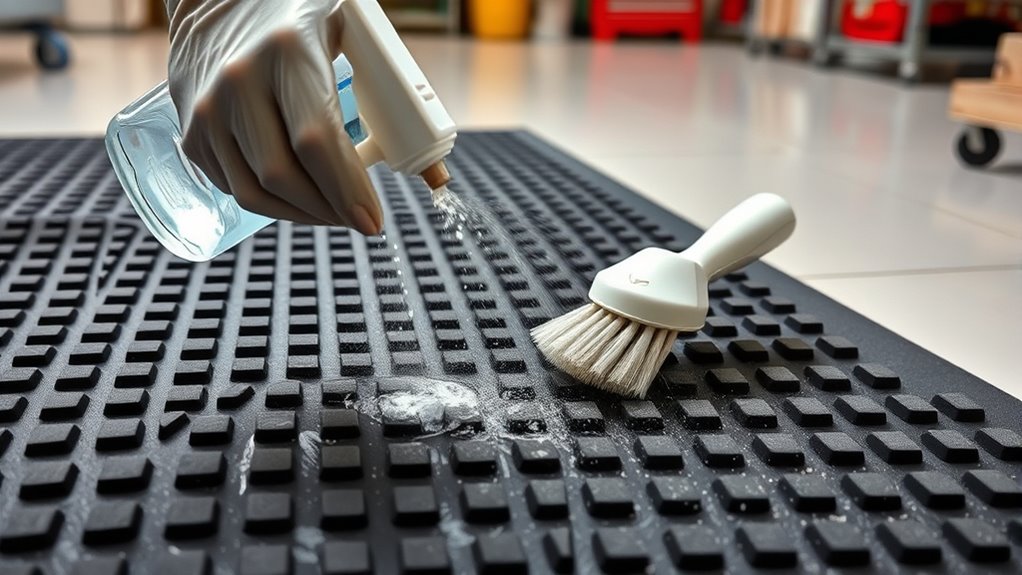

To clean non-slip or anti-fatigue mats, start by removing them from their area and shaking off loose dirt and debris. Use warm water with a mild detergent or specialized cleaner, scrubbing gently with a soft brush or sponge to lift dirt without damaging the surface. Rinse thoroughly and dry completely to prevent mold and keep their effectiveness. If you want to learn more about maintaining their safety and longevity, keep exploring effective cleaning methods.
Key Takeaways
- Remove mats from their location and shake off loose dirt before washing.
- Use warm water with mild detergent or specialized cleaner to scrub and loosen grime.
- Rinse thoroughly to eliminate soap residue and maintain anti-slip properties.
- Dry completely through air-drying or wiping to prevent mold and damage.
- Regularly clean and inspect to extend the mat’s lifespan and ensure safety.
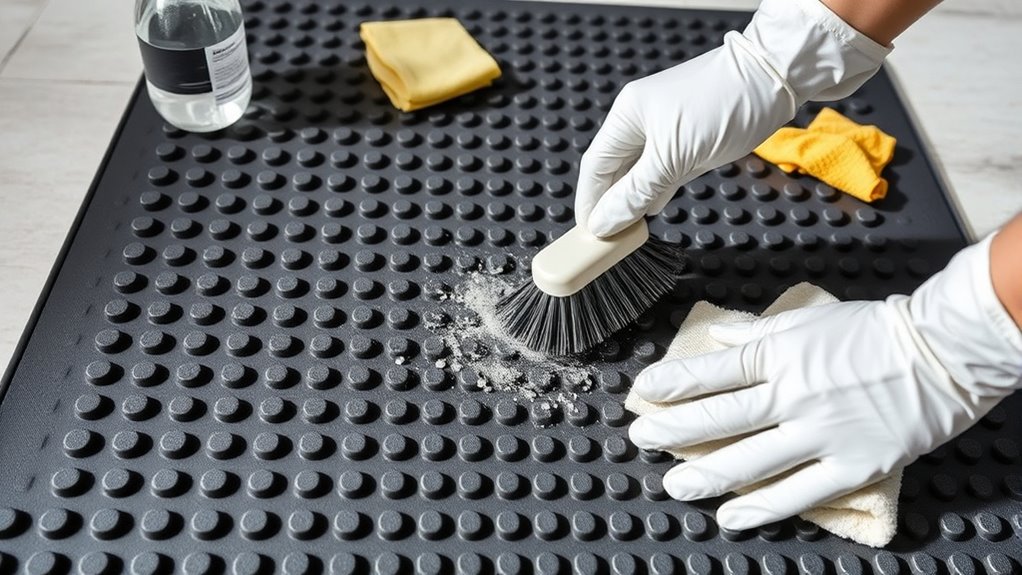
Non-slip mats are indispensable for safety, especially in areas prone to spills or moisture. Keeping them clean is essential not only for maintaining their grip but also for preventing germs and odors. If you want your mats to perform their best, understanding effective mat cleaning techniques and stain removal methods becomes critical. Regular cleaning ensures your mats stay safe, durable, and looking new.
Start by removing the mats from their usual location. Shake off loose dirt, dust, or debris, which can accumulate quickly and reduce traction. For routine cleaning, fill a bucket with warm water and add a mild detergent or a specially formulated cleaner designed for non-slip surfaces. Submerge the mats, then scrub them using a soft-bristle brush or a sponge. This helps loosen dirt and grime embedded in the textured surface. Rinse thoroughly with clean water to wash away soap residue, which can make the surface slippery over time. Make sure you squeeze out excess water gently to avoid warping or damaging the mats.
When it comes to stain removal methods, act quickly to prevent stains from setting. For common spills like oil, grease, or food, apply a small amount of dish soap directly to the stain and let it sit for a few minutes. Then, scrub gently with your brush or sponge before rinsing. For tougher stains like mold or mildew, mix equal parts of water and white vinegar or use a commercial disinfectant suitable for rubber or vinyl mats. Spray it on the affected area, allow it to sit for a few minutes, and then scrub. Rinse thoroughly afterward. Avoid harsh chemicals or abrasive tools, as these can damage the mat’s surface and reduce its anti-slip properties.
Using proper cleaning techniques can significantly extend the lifespan of your mats and maintain their safety features. If you’re dealing with stubborn stains, consider using baking soda as a natural abrasive. Sprinkle it directly on the stain, add a bit of water to form a paste, and scrub gently. Let it sit for 10-15 minutes before rinsing. For persistent odors, a solution of water and a few drops of essential oil can refresh the mats while cleaning. Always dry your mats completely after cleaning, either by air-drying or wiping them down with a clean towel. This prevents mold growth and keeps the mats in top condition.
Incorporating these mat cleaning techniques and stain removal methods into your routine ensures your non-slip mats stay effective and safe over time. Regular cleaning not only extends their life but also guarantees a safer environment for everyone.

Viking Carpet Cleaning and Scrub Brush for Floor Mats, Cleaning Brush for Car Interior and Home, Black and Blue, 8.3 inch x 2.5 Inch
Carpet Brush measuring 8.3 inches long and 2.5 inches wide with a special design for cleaning car mats,…
As an affiliate, we earn on qualifying purchases.
As an affiliate, we earn on qualifying purchases.
Frequently Asked Questions
Can Non-Slip Mats Be Machine Washed?
Yes, you can machine wash non-slip mats, but check the manufacturer’s instructions first. Machine washing is effective for regular cleaning, especially when you want to maintain cleanliness and safety. You should consider cleaning frequency based on how often the mats see use; more frequent washing keeps them in good condition and prevents buildup of dirt and grime. Use gentle cycles and air dry to preserve your mats’ non-slip features.
How Often Should I Deep Clean Anti-Fatigue Mats?
You should deep clean your anti-fatigue mats every 1 to 3 months, depending on foot traffic and use. Regular mat maintenance, like spot cleaning and routine vacuuming, helps reduce dirt buildup. High-traffic areas may need more frequent deep cleaning to maintain safety and hygiene. By sticking to a consistent cleaning frequency, you guarantee your mats stay effective, safe, and in top condition for longer.
Are There Eco-Friendly Cleaning Options for These Mats?
Think of eco-friendly cleaning options as a refresh of fresh air for your space. You can use biodegradable cleaning products and natural disinfectants that are gentle yet effective, protecting both your mats and the environment. These options act like a shield, safeguarding your workspace while reducing chemical impact. By choosing natural solutions, you’re not only maintaining anti-fatigue mats but also nurturing a healthier, greener environment around you.
Will Using Harsh Chemicals Damage the Mat’s Surface?
Using harsh chemicals can cause chemical damage, leading to surface deterioration of your non-slip mats. These strong cleaners may weaken the material, reducing their effectiveness and lifespan. To avoid this, opt for gentle, eco-friendly cleaning solutions. Regularly scrubbing with mild soap and water helps maintain the mats’ grip and durability, ensuring they stay safe and effective for longer without risking surface damage.
How Do I Remove Stubborn Stains From Non-Slip Mats?
Did you know 85% of cleaning professionals recommend specific stain removal techniques for stubborn stains? To remove stubborn stains from your non-slip mats, start by applying a mixture of mild cleaning solutions and warm water directly to the stain. Gently scrub with a soft brush or cloth, then rinse thoroughly. Avoid harsh chemicals, which can damage the surface. Repeat if necessary until the stain is gone for safe, effective cleaning.

ASUTRA Yoga Mat Cleaner Spray (Uplifting Eucalyptus), 4 fl oz – No Slippery Residue, Organic Essential Oils, Deep-Cleansing for Fitness Gear & Gym Equipment, Microfiber Towel Included
NOT JUST FOR YOGA MATS: Whether you're a hardcore yogi or exercise enthusiast, this mat cleaner is an…
As an affiliate, we earn on qualifying purchases.
As an affiliate, we earn on qualifying purchases.
Conclusion
Now that you’ve mastered the art of cleaning your non-slip mats, imagine them gleaming so brightly that they double as a mirror—revealing every crumb and smudge you missed. Soon, your workplace will be so spotless, even fingerprints will be afraid to show up. Just think: all that effort to keep your mats pristine might finally turn your greasy, dusty floor into the next big Instagram sensation. Who knew cleaning could be this glamorous?
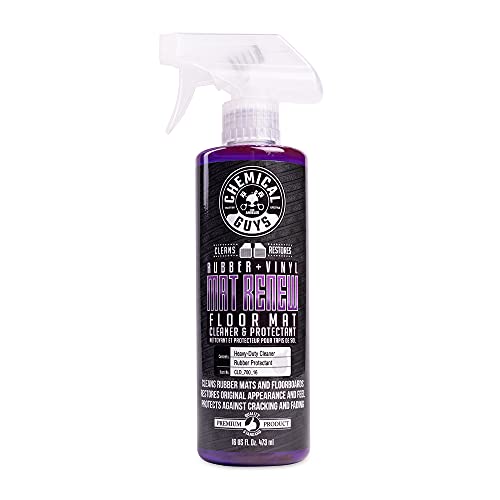
Chemical Guys Mat Renew Rubber and Vinyl Car Floor Mat Cleaner & Protectant – Cleans & Restores Rubber Liners, Running Boards, Safe for Cars, Trucks, SUVs, and More – 16 oz
MAT RENEW CLEANER & PROTECTANT (CLD_700_16) – This car mat cleaner cleans and restores rubber and vinyl floor…
As an affiliate, we earn on qualifying purchases.
As an affiliate, we earn on qualifying purchases.

Umbra Udry Dish Rack and Microfiber Drying Mat – Space-Saving Design Folds Up for Easy Storage, Basic Rack, Black
DISH DRYING RACK & MAT IN ONE: Umbra’s UDRY combines a dish drying rack and dish drying mat…
As an affiliate, we earn on qualifying purchases.
As an affiliate, we earn on qualifying purchases.