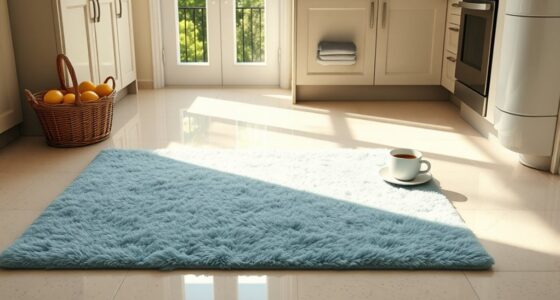
For cleaning grout lines, damp mopping is best for routine, thorough cleaning as it loosens dirt and preserves sealants, especially when grout is unsealed or worn. Dry mopping is ideal for quickly removing surface dust and debris between deeper cleans or when the grout is sealed. If you want to keep your grout looking fresh and durable, choosing the right method is key—learn more about when and how to use each for ideal results.
Key Takeaways
- Use a dry mop for quick removal of surface dust and debris, especially when grout is sealed and cleaning is infrequent.
- Damp mopping weekly helps clean grout thoroughly, loosen dirt, and preserve sealants without causing damage.
- Choose a damp mop for heavy dirt, spills, or sticky residues to effectively clean grout lines.
- Dry mopping is preferable when grout is unsealed or worn to prevent dirt from embedding and moisture damage.
- Regularly alternating between dry and damp mops maintains grout appearance, prevents staining, and extends its lifespan.
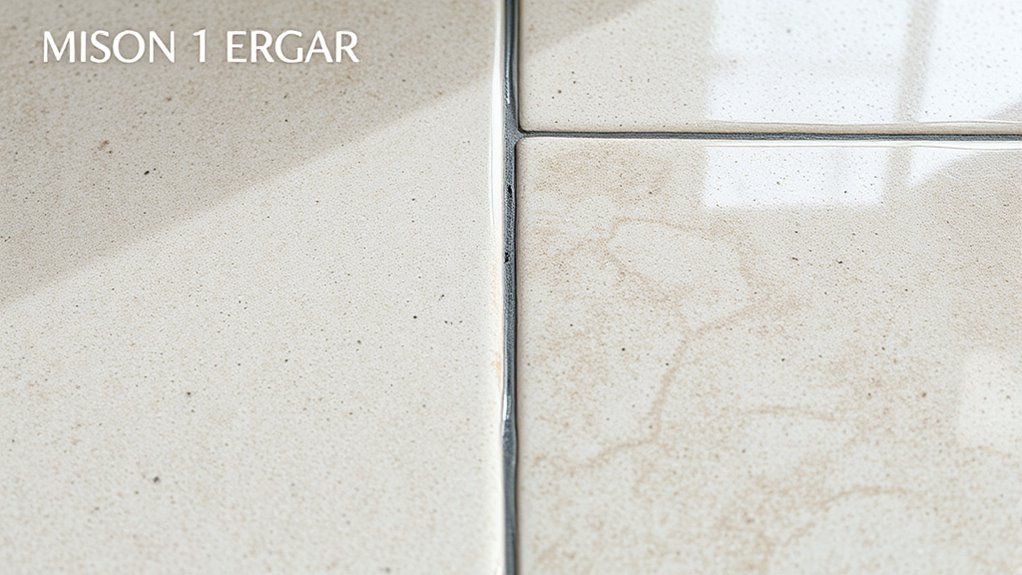
When it comes to cleaning grout lines, choosing between a dry or damp mop can make a significant difference in the results. Your decision depends largely on how often you clean, the condition of the grout, and whether a sealant has been applied. Regular cleaning frequency influences which method works best; if you’re doing routine maintenance weekly, a damp mop is usually more effective because it helps pick up loose dirt and grime without disturbing the grout’s surface. On the other hand, if you’re cleaning infrequently, a dry mop can help remove surface dust and debris before it becomes embedded or causes staining.
Use a damp mop weekly for effective grout cleaning without damage.
Applying a sealant is another vital factor. If your grout has a fresh sealant, a damp mop can be preferable because it cleans without stripping away the protective layer. Sealants create a barrier that repels water and stains, so using a damp mop with a gentle cleaning solution preserves that barrier longer. Conversely, if the sealant is worn or absent, you might opt for a dry mop initially to avoid forcing dirt into the porous surface. Over time, though, cleaning with a damp mop helps prevent dirt buildup that can damage unsealed grout.
The choice also depends on the type of mess you’re tackling. Light dust or loose debris can be effectively managed with a dry mop, which is quick and won’t introduce excess moisture. This is especially useful between deep cleans or when the grout is sealed, as moisture can sometimes seep into the tiny pores and cause discoloration or mold growth. For heavier dirt, spills, or sticky residues, a damp mop with a mild cleaning solution is more appropriate. It penetrates the grout lines, loosening grime and ensuring a more thorough clean.
It’s important to evaluate your cleaning routine. Regularly using a damp mop when needed prevents dirt from settling deeply, reducing the need for more aggressive scrubbing later. This routine also helps maintain the integrity of any sealant you’ve applied. If you notice your grout lines becoming discolored or stained, it might be time to reapply sealant to restore the grout’s protective barrier and make future cleanings easier. Additionally, choosing a mop that features appropriate materials can enhance cleaning efficiency and protect your grout surfaces. Ultimately, the choice between a dry or damp mop should align with your cleaning frequency, the condition of your grout, and whether sealant has been applied, helping you achieve cleaner, longer-lasting grout lines.
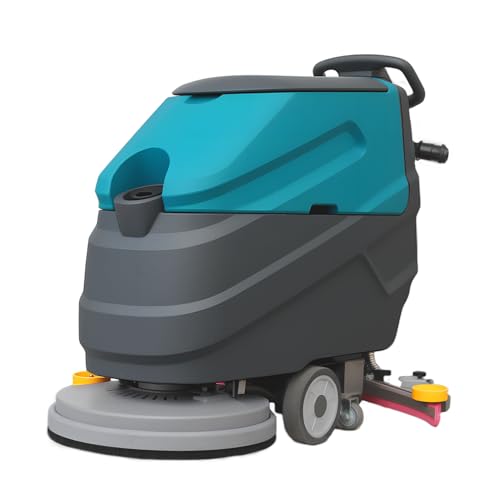
KARHDIR Walk-behind Floor Scrubber Machine, 22" Cleaning Width
- Cleaning Width: 22-inch cleaning width for efficiency
- Suction Width: 31.5-inch squeegee suction width
- Coverage Area: Cleans up to 32,000 sq ft per hour
As an affiliate, we earn on qualifying purchases.
Frequently Asked Questions
How Often Should Grout Lines Be Cleaned?
You should clean your grout lines at least once a month to maintain their appearance and prevent buildup. Incorporate this into your maintenance schedule, especially if you notice dirt or stains. For high-traffic areas, consider more frequent cleanings. Regular cleaning with a damp mop and gentle cleaning solutions helps keep grout fresh and prevents mold or mildew, ensuring your tiled surfaces stay spotless and well-maintained over time.
Can Improper Mopping Damage Grout?
Think of improper mopping like a villain in your grout’s story. If you use harsh mopping techniques or neglect dampness, you risk damaging the grout. Excess water can weaken grout joints, leading to cracks or the need for grout repair. To protect your grout, always use a damp mop and gentle strokes, avoiding excessive pressure. Proper mopping techniques keep your grout solid and beautiful, preventing costly repairs down the line.
What Cleaning Products Are Best for Grout?
You should use gentle cleaning products like a mixture of baking soda and water or a mild tile cleaner for grout. Avoid harsh chemicals that might damage the grout or tile. Use soft-bristled brushes or old toothbrushes for scrubbing. For DIY solutions, vinegar diluted with water works well, but don’t use it too often. Always opt for non-abrasive cleaning tools to keep your grout looking fresh and prevent damage.
Is Sealing Grout Necessary After Cleaning?
Yes, sealing grout is necessary after cleaning to protect it from stains and moisture. You should apply a sealant, ensuring even coverage for proper sealant application. Regular grout maintenance, including resealing every 6 to 12 months, helps keep your grout looking fresh and prevents damage. Sealing is a simple step that extends the life of your grout and maintains its appearance, saving you time and effort in future cleanings.
How Do I Remove Tough Stains From Grout?
You can remove tough grout stains by applying a paste of baking soda and water, letting it sit for 10-15 minutes, then scrubbing with a soft brush. Investigate the idea that deep stain removal requires harsh chemicals—sometimes natural solutions work best. To prevent future stains, always clean spills promptly and seal your grout regularly. This approach makes stain prevention tips effective, keeping your grout clean and looking new longer.
Conclusion
Ultimately, choosing between a dry or damp mop for your grout lines depends on your specific needs. A damp mop is great for regular cleaning, but don’t forget that sometimes, you’ve got to keep things dry as a bone to prevent buildup. Remember, you don’t want to bite off more than you can chew. By understanding when to use each method, you’ll keep your grout looking sharp and never let things get out of hand.