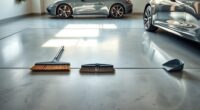
For your engineered wood floors, dry mopping is best for regular, daily cleaning to remove dust and loose dirt without risking damage. Damp mopping is suitable for deep cleaning and tackling stubborn spots but should only be done occasionally and carefully to prevent water damage. Always follow manufacturer instructions to keep your floors looking their best. Want to know when and how to switch between these methods? Keep exploring for expert tips.

Get cleaning gear delivered free with Prime
- Fast, free delivery on millions of items
- Prime Video, Amazon Music and more included
- Member-only deals all year
Key Takeaways
- Dry mopping is ideal for daily maintenance, removing dust and debris without water risk.
- Damp mopping is better for deep cleaning and stubborn stains, used less frequently.
- Always ensure a damp mop is only lightly moist and follow manufacturer instructions for cleaning solutions.
- Excess moisture from damp mopping can cause warping; dry thoroughly afterward to protect the floor.
- Regular dry mopping preserves shine and finish, while damp mopping handles deep cleaning needs.

When caring for engineered wood floors, choosing the right cleaning method makes a significant difference in their longevity and appearance. Wood flooring is a beautiful addition to any space, but it’s also delicate and requires proper maintenance. The debate between dry and damp mopping is common among homeowners and cleaning enthusiasts alike. Understanding which cleaning techniques suit your engineered wood floors can help you keep them looking their best for years to come.
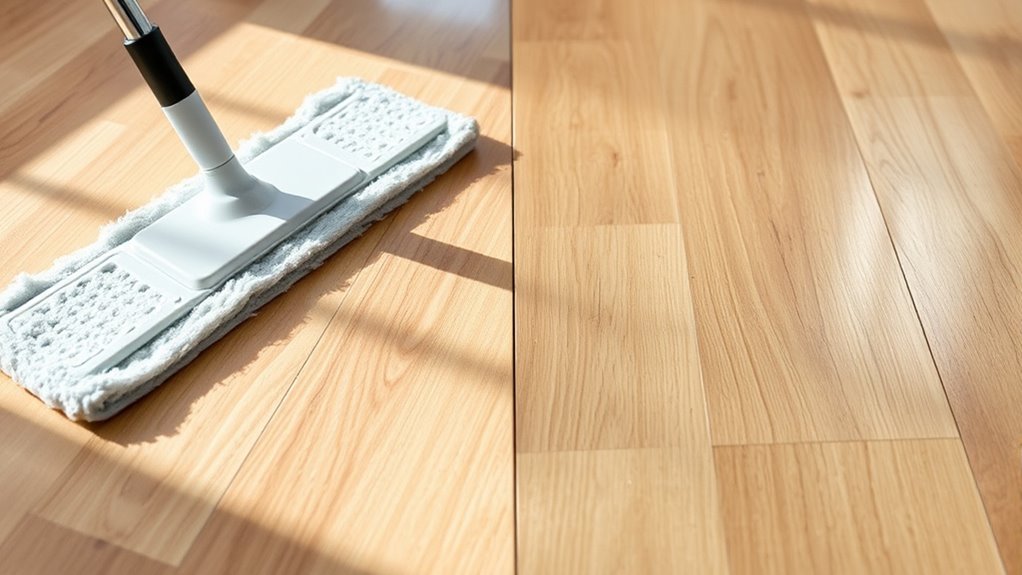
Dry mopping is often considered the safest option for routine cleaning. It involves using a microfiber or soft dust mop to remove loose dirt, dust, and debris from the surface. This technique prevents scratches that can occur when dirt particles are ground into the finish of the wood flooring. Because dry mops don’t introduce moisture, they’re ideal for daily maintenance, especially in high-traffic areas. Regular dry cleaning not only preserves the appearance but also minimizes the buildup of grime that can dull the shine over time.
On the other hand, damp mopping can be more effective for deeper cleaning, but it requires careful execution. When using a damp mop, you want to ensure it’s only slightly moist—not soaked. Excess water is one of the worst enemies of wood flooring because it can seep into joints and cause warping or swelling. To use a damp mop properly, you should first wring out any excess moisture from the cloth or mop head. Use a cleaning solution specifically formulated for wood or engineered wood floors, which helps lift stubborn dirt without damaging the finish. Always follow the manufacturer’s instructions regarding cleaning products, as some chemicals can harm the finish or discolor the surface.
Timing also matters when choosing between dry and damp mops. For regular upkeep, dry mopping is usually sufficient. You might opt for damp mopping less frequently, perhaps once a month or as needed for stubborn spots or sticky residues. When you do damp mop, always go over the floor with a dry cloth afterward to remove any remaining moisture. This helps prevent water damage and keeps your wood flooring looking pristine.
microfiber dust mop for engineered wood floors
As an affiliate, we earn on qualifying purchases.
As an affiliate, we earn on qualifying purchases.
Frequently Asked Questions
Can Engineered Wood Be Cleaned With Steam Mops?
You shouldn’t use steam cleaning on engineered wood because the high heat and moisture can cause surface damage. Steam mops introduce excessive moisture that may warp or swell the material, compromising its integrity. Instead, opt for a damp mop with a gentle cleaner to keep your engineered wood looking great without risking damage. Always avoid steam cleaning to protect your flooring’s longevity and appearance.
How Often Should I Damp Mop Engineered Wood Floors?
Did you know that cleaning frequency impacts engineered wood flooring’s lifespan? You should damp mop your floors once a week to maintain their appearance and prevent buildup. Regular flooring maintenance helps preserve the finish and prevents damage from dust and debris. Avoid over-mopping, as excess moisture can cause warping. Stick to damp mops for routine cleaning, and always guarantee floors are thoroughly dried afterward for maximum care.
Is It Safe to Use Vinegar on Engineered Wood?
Using vinegar on engineered wood isn’t generally safe because of pH balance considerations. Vinegar’s acidity can damage the finish and dull the surface over time. If you want a safe cleaner, opt for a pH-neutral solution. Always dilute vinegar properly if you choose to use it, and test on a small area first. This helps protect your floors while still cleaning effectively.
What Type of Microfiber Cloth Is Best for Dry Mopping?
You should choose a soft, non-abrasive microfiber cloth for dry mopping to maximize cleaning effectiveness and prevent scratches. Look for microfiber types with tightly woven fibers, like split microfiber, which traps dust and dirt efficiently. Avoid rough or loosely woven cloths, as they can damage the surface. A high-quality, plush microfiber cloth guarantees you lift debris effectively without harming your engineered wood, making your dry mopping both safe and thorough.
Can Damp Mopping Cause Warping in Engineered Wood?
Yes, damp mopping can cause warping in engineered wood if you use too much moisture. Excess moisture can seep into the layers, leading to moisture damage and wood warping over time. To prevent this, always wring out your mop thoroughly and use a damp, not wet, cloth. This way, you clean effectively without risking damage or warping your engineered wood floors.
Conclusion
Choosing between a dry or damp mop for your engineered wood floors is like finding the perfect dance partner—each has its moment. A dry mop keeps dirt at bay, like sweeping away shadows, while a damp mop gently cleans without soaking your floors. Think of your floors as a delicate song; use the right method to keep it playing smoothly. With the right care, your engineered wood will shine brighter than a star in the night sky.
Halloween Picks
halloween
As an affiliate, we earn on qualifying purchases.