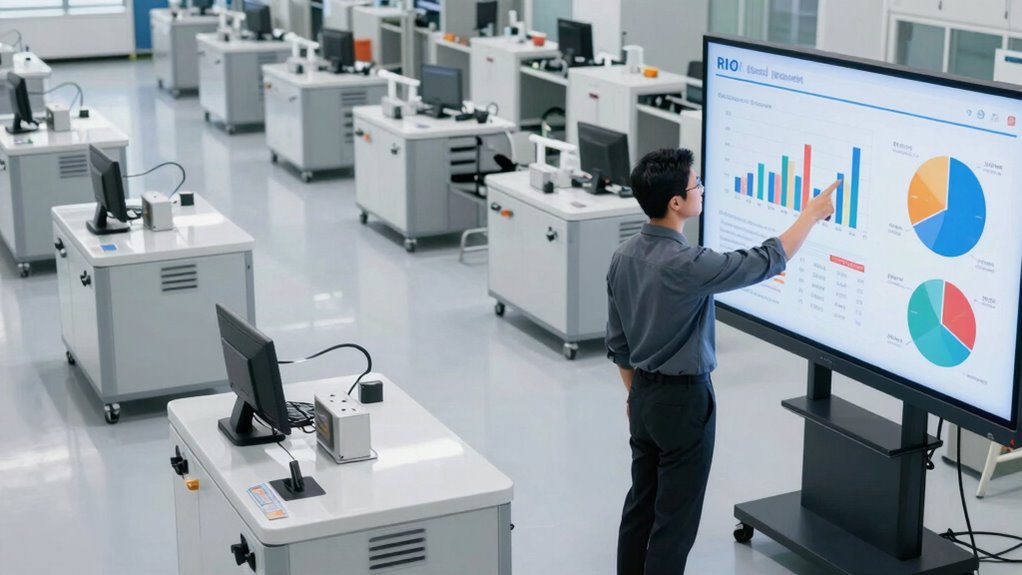

To explain floor equipment ROI to facility leaders, focus on more than just initial costs. Highlight how maintenance expenses, longevity, and durability impact long-term value and performance. Show how investing in durable equipment with lower upkeep can save money and reduce downtime over time. Emphasize that considering future expenses and lifespan helps make smarter decisions, ensuring a better return. Keep these factors in mind, and you’ll gain a clearer picture of true ROI—continue to find out how to analyze these aspects effectively.

Get cleaning gear delivered free with Prime
- Fast, free delivery on millions of items
- Prime Video, Amazon Music and more included
- Member-only deals all year
Key Takeaways
- Emphasize the importance of long-term performance over initial cost when evaluating equipment investments.
- Highlight how maintenance costs and durability impact overall return on investment.
- Explain that longer equipment lifespan reduces replacement frequency and costs.
- Show how reliable, technologically up-to-date equipment maintains efficiency and minimizes downtime.
- Illustrate that balancing initial expenses with ongoing maintenance and durability maximizes overall value.
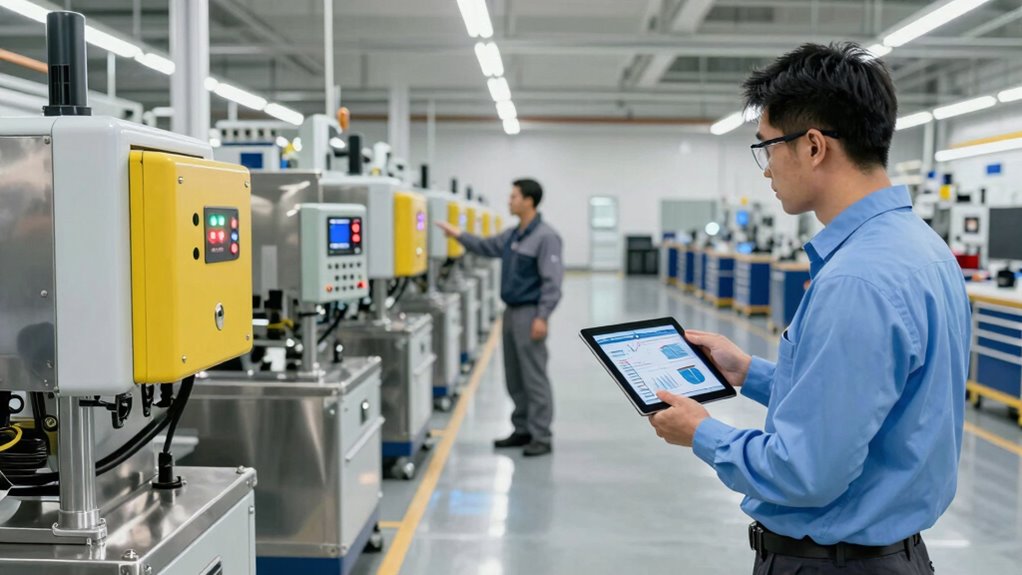
Understanding the return on investment (ROI) for floor equipment is crucial for making smart purchasing decisions. When you’re evaluating different options, it’s not just about the initial purchase price; you need to take into account how the equipment will perform over time. Two critical factors that influence ROI are maintenance costs and equipment lifespan. These elements directly affect your long-term expenses and the overall value you get from your investment. By paying attention to these details, you can avoid costly surprises and choose equipment that truly delivers value.
Maintenance costs play a significant role in calculating ROI. Floor equipment isn’t a one-and-done expense; it requires ongoing upkeep to ensure it operates efficiently. Some machines may seem affordable upfront but end up costing more due to frequent repairs, parts replacements, or high service fees. When comparing equipment, you should look at manufacturer specifications and user reviews to gauge maintenance requirements. Equipment with lower maintenance costs will save you money over its lifespan, increasing your ROI. Additionally, equipment that’s easier to maintain reduces downtime, meaning your facility remains productive and efficient. Considering equipment durability can help predict how well it will withstand ongoing use and reduce the need for replacements. Moreover, understanding the expected lifespan of the equipment allows you to better plan your budget and allocation of resources over time. Keeping an eye on technological advancements can also help you choose equipment that remains relevant and efficient for years to come. Recognizing these factors ensures your investment maintains its long-term value.
industrial floor equipment with low maintenance costs
As an affiliate, we earn on qualifying purchases.
As an affiliate, we earn on qualifying purchases.
Frequently Asked Questions
How Can ROI Be Measured for Outdated Floor Equipment?
You can measure ROI for outdated floor equipment by comparing the obsolete asset’s current performance and maintenance costs to the replacement cost of modern equipment. Calculate savings from reduced downtime, lower maintenance expenses, and increased efficiency with new assets. Then, consider the asset’s remaining useful life. This approach helps you justify investments by highlighting how replacing outdated equipment can lead to long-term cost savings and improved operational performance.
What Are Common Mistakes When Calculating Equipment ROI?
Calculating equipment ROI is like steering through a maze; common mistakes trip you up. You might overlook accurate cost analysis or rely solely on one depreciation method, skewing results. Avoid these errors by considering all costs, including maintenance and downtime, and using multiple depreciation methods for an all-encompassing view. Double-check your inputs and assumptions to guarantee your ROI reflects true value, preventing costly misjudgments.
How Does Equipment ROI Impact Overall Facility Budgeting?
Equipment ROI influences your facility budget by highlighting cost savings from improved maintenance scheduling and reduced energy consumption. When ROI is high, you can justify investments in efficient equipment, leading to lower operational costs. Conversely, poor ROI may signal the need for better maintenance or upgrades. By understanding this impact, you guarantee your budget allocates funds effectively, balancing maintenance efforts and energy use to maximize overall operational efficiency.
Can ROI Justify Replacing Existing Floor Equipment?
Yes, ROI can justify replacing existing floor equipment. When you analyze the return on investment, consider maintenance costs that escalate with aging equipment and safety enhancements that reduce risks and liability. Upgrading might seem costly upfront, but if it decreases downtime, lowers repair expenses, and boosts safety, the long-term gains outweigh initial costs. This strategic switch ultimately enhances efficiency, safety, and overall facility performance.
What Metrics Best Demonstrate Equipment Efficiency Improvements?
You should track metrics like maintenance costs and energy savings to demonstrate equipment efficiency improvements. Lower maintenance costs indicate less downtime and better reliability, while energy savings highlight increased operational efficiency. By comparing these metrics before and after upgrades, you clearly show how new equipment enhances performance. These tangible benefits help facility leaders see the value, making a compelling case for investing in efficient, modernized floor equipment.
Conclusion
Understanding the ROI of floor equipment helps you make smarter investment decisions. Did you know that properly maintained equipment can boost productivity by up to 25%? By clearly demonstrating how equipment improvements lead to cost savings and efficiency, you’ll gain the support of your facility leaders. Remember, showing the direct impact on operations not only justifies expenditures but also aligns everyone toward shared goals. Keep your explanations simple, data-driven, and focused on tangible results.
Halloween Picks
halloween
As an affiliate, we earn on qualifying purchases.