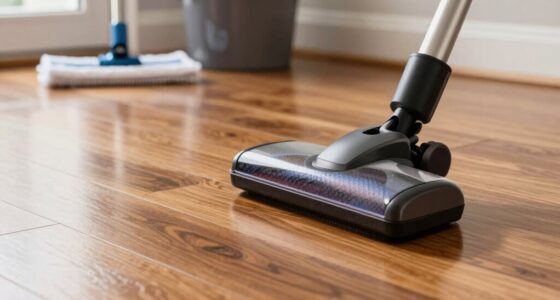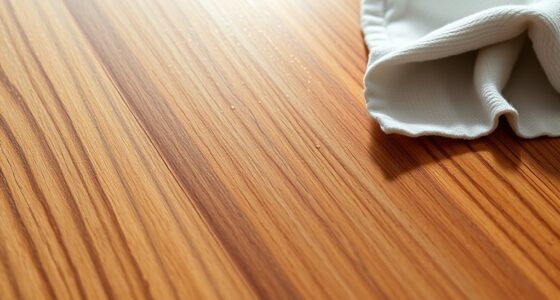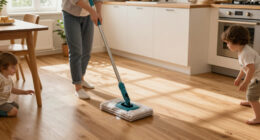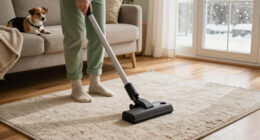

Even if your floors look spotless and shiny, they can still fail safety standards if they lack slip-resistant coatings or textures, especially when wet. Clean surfaces might hide moisture issues or damages that weaken adhesion or promote mold growth. Visual cleanliness doesn’t guarantee safety, as proper moisture management and safety features like slip prevention are essential. To truly understand what makes floors safe, you’ll want to explore how proper materials and maintenance play a role.

Get cleaning gear delivered free with Prime
- Fast, free delivery on millions of items
- Prime Video, Amazon Music and more included
- Member-only deals all year
Key Takeaways
- A floor’s shiny appearance doesn’t guarantee slip resistance or safety features are in place.
- Visual cleanliness can mask underlying moisture issues that compromise safety.
- Proper safety measures like slip-resistant coatings are crucial, regardless of how clean the surface looks.
- Regular maintenance and inspections are needed to ensure safety features remain effective over time.
- Material quality and moisture barriers impact long-term safety, not just the surface cleanliness.
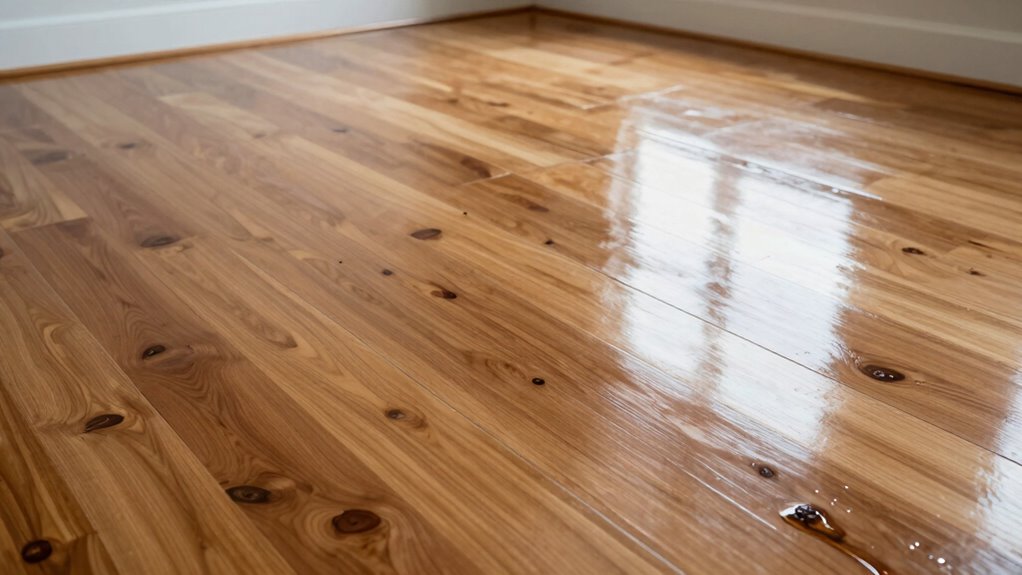
Floors are more than just surfaces to walk on; they play a crucial role in ensuring safety in any space. Even if a floor looks spotless and pristine, that doesn’t automatically mean it’s safe. Sometimes, floors can appear clean but still pose risks because they lack essential safety features like slip resistance and proper moisture control. You might walk into a room and see a shiny, spotless surface that seems perfectly maintained, but if the flooring material isn’t designed to grip underfoot, you could be at risk of slipping, especially if the surface gets wet or humid.
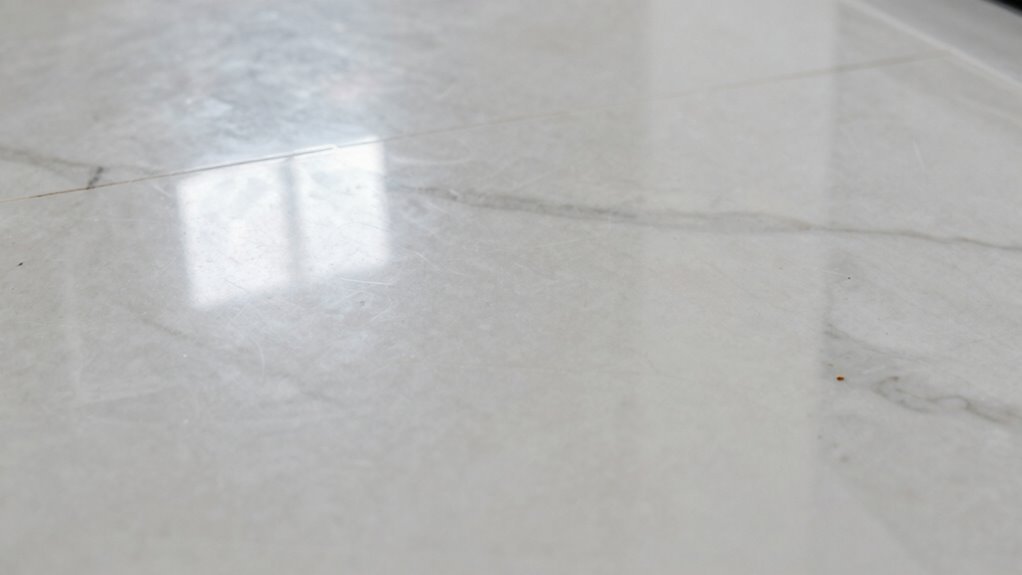
Slip resistance is a critical factor that many overlook when evaluating floor safety. A floor might look clean, but if it’s made of a smooth, polished material without adequate slip-resistant coatings or textures, it can become dangerously slick when moisture is present. This is especially common in commercial kitchens, bathrooms, or outdoor walkways where spills, rain, or humidity are frequent. Without proper slip resistance, even a seemingly clean floor can turn into a hazard, increasing the likelihood of falls and injuries. It’s essential to check if the flooring has the right slip-resistant features, particularly in high-traffic or moisture-prone areas.
Smooth, polished floors can be dangerously slick without slip-resistant features, especially in high-moisture areas.
Moisture control is equally important in maintaining a safe walking environment. A floor can appear clean because it’s wiped down regularly, but if it’s not designed to manage moisture properly, water or humidity can seep in and cause issues over time. Moisture can weaken adhesives, cause tiles to loosen, or create mold and mildew underneath the surface—things that aren’t immediately visible but compromise safety and durability. When moisture isn’t properly managed, the risk of slips and falls increases, especially when the floor surface becomes damp or wet. Proper moisture control measures, such as waterproof membranes or sealed surfaces, are essential to prevent these hidden hazards. Additionally, the presence of slip-resistant features, moisture barriers, and effective moisture barriers can greatly reduce these risks. Regular inspections, proper maintenance, and choosing the right flooring materials are vital to making sure that these safety features continue to function effectively. Being aware of material properties can help you better understand how different flooring types respond to moisture and wear over time. Moreover, understanding the manufacturing quality of flooring materials can influence their long-term safety performance.
Furthermore, understanding the importance of quality materials can help in selecting floors that inherently possess better safety features. Even if a floor looks spotless, don’t assume it’s safe just because it appears clean. You need to evaluate whether it has slip-resistant features and adequate moisture control systems in place. Regular inspections, proper maintenance, and choosing the right flooring materials are key to making sure that cleanliness doesn’t come at the expense of safety. When these factors are neglected, a floor that looks clean can quickly become a trap for slips, trips, and falls, jeopardizing everyone’s safety. So, always look beyond the surface and analyze the safety features that keep your floors truly secure.
As an affiliate, we earn on qualifying purchases.
Frequently Asked Questions
How Often Should Floors Be Inspected for Safety Compliance?
You should inspect floors for safety compliance at least monthly, especially in high-traffic or hazardous areas. Regular floor maintenance helps identify issues like uneven surfaces or slippery spots early. Inspection frequency depends on usage and environment, so more frequent checks might be necessary in busy workplaces. Consistent inspections guarantee floors stay safe, preventing accidents and maintaining safety standards effectively.
What Specific Cleaning Agents Can Compromise Floor Safety?
Think of cleaning agents as potions—they can sparkle or cause chaos. Harsh chemicals like ammonia-based cleaners or acidic substances leave behind chemical residues and can create a pH imbalance, making floors slippery or damaging the surface. These effects compromise safety even if the floor looks spotless. Always choose pH-neutral cleaners and avoid harsh chemicals to keep your floors both clean and safe for everyone.
Are There Differences in Safety Standards for Indoor vs. Outdoor Floors?
Yes, safety standards differ for indoor flooring and outdoor surfaces. Indoor flooring requires slip-resistant materials and controlled environments, focusing on reducing falls and chemical exposure. Outdoor surfaces face harsher weather, so standards emphasize durability, slip resistance in wet conditions, and impact resistance. You should choose flooring that meets specific safety criteria for each environment to prevent accidents, ensuring both indoor and outdoor spaces are safe and compliant with relevant regulations.
How Do Slip-Resistant Coatings Affect Floor Appearance?
Slip-resistant coatings can slightly alter your floor’s appearance, but they generally don’t hurt surface shine or visual clarity. These coatings are designed to add texture, which might dull a glossy finish, yet many modern options maintain a sleek look. When applied correctly, they provide safety without compromising the aesthetic. So, you can enjoy a safe, slip-resistant floor that still looks attractive and retains its visual appeal.
Can a Floor Pass Safety Tests but Still Be Hazardous?
Yes, your floor can pass safety tests yet still be hazardous. Surface contamination like dust or spills might be invisible, hiding hazards that slip-resistant coatings don’t fully address. These hidden hazards can cause accidents, even if the floor appears clean and meets safety standards. Regular inspections and thorough cleaning are essential to uncover and remove surface contamination, ensuring your floor remains genuinely safe and free of hidden dangers.
Conclusion
So, next time you marvel at a shiny, spotless floor, remember—it might be a sneaky trap hiding safety hazards. Looks can be deceiving, and that gleam might just be your floor’s way of fooling you into danger. Don’t be fooled by surface sparkle—because a beautiful floor that slips, trips, or causes injury isn’t really a “clean” achievement. Safety should always shine brighter than a mirror finish, even if it’s less glamorous. Stay vigilant!
Fall Picks
fall essentials
As an affiliate, we earn on qualifying purchases.