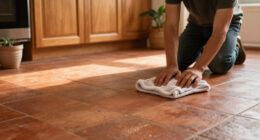
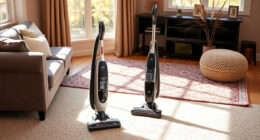
To keep your grocery store floors clean all day, set a regular cleaning schedule targeting high-traffic areas, like entrances and checkout zones. Use non-slip mats to trap dirt and moisture, and train staff to address spills immediately with proper tools and solutions. Schedule routine inspections and assign specific cleaning tasks for each shift to maintain consistency. Staying vigilant about dirt and debris helps create a safer shopping environment and protects your store’s reputation—discover more tips to stay ahead.

Get cleaning gear delivered free with Prime
- Fast, free delivery on millions of items
- Prime Video, Amazon Music and more included
- Member-only deals all year
Key Takeaways
- Implement a structured cleaning schedule with frequent mopping, especially in high-traffic areas, every two hours or after spills.
- Use non-slip mats and appropriate cleaning tools to prevent slips and quickly address dirt or moisture.
- Train staff thoroughly on cleaning protocols and hazard detection to ensure prompt spill response.
- Assign specific cleaning tasks to shifts to maintain consistent floor hygiene throughout the day.
- Conduct regular inspections and reinforce hygiene standards to maintain a safe and welcoming shopping environment.

Keeping the floors of a grocery store clean is crucial for maintaining safety and hygiene for both customers and staff. When your floors are tidy and slip-free, you reduce the risk of accidents and create a welcoming environment. To achieve this, you need to implement a well-structured cleaning schedule that keeps high-traffic areas spotless throughout the day. Consistency is key—by sticking to a routine, you guarantee that dirt, spills, and debris don’t pile up, which can compromise customer safety and damage your store’s reputation.
Maintaining a clean, slip-free grocery store floor is essential for safety and a positive shopping experience.
Start by identifying the busiest zones—entrances, checkout lanes, produce sections—and prioritize regular cleaning there. Establish a schedule that includes frequent sweeps, mopping, and spot cleaning at regular intervals. For example, you might plan to mop every two hours or after a spill occurs, depending on traffic flow. This proactive approach prevents dirt accumulation and minimizes the chance of slips or falls. Remember, a clean floor isn’t just about appearance; it’s a critical safety measure that keeps customers confident in shopping at your store. Regular inspections can help you stay ahead of potential hazards and ensure your cleaning routines are effective.
Using the right cleaning tools and products is also crucial. Invest in durable, non-slip mats at entrances to trap dirt and moisture before it reaches the main floor. Choose cleaning solutions that cut through grime effectively but are safe for your flooring material and won’t leave residues that could cause slips. Make sure your staff is trained to use these products properly and understands the importance of timely cleaning. Clear communication about cleaning schedules ensures everyone is on the same page, making it easier to coordinate efforts and maintain consistency throughout the day.
In addition to routine cleaning, assign specific tasks to staff members during different shifts. For instance, one team can handle morning cleanup, while another manages midday touch-ups. This division of labor keeps the floors consistently clean and reduces the workload during busy hours. Using checklists or digital reminders can help enforce this schedule, making sure no area is overlooked. When customers see your store consistently clean, it enhances their shopping experience and boosts their confidence in your hygiene standards. Additionally, employing cleaning schedules can streamline efforts and improve overall cleanliness.
Finally, encourage your staff to be vigilant about spills and debris. Promptly addressing messes prevents them from becoming hazards. Regularly inspecting the floors, especially after busy periods, helps catch issues early. When you combine a strict cleaning schedule with attentive staff and the right equipment, you create a safer shopping environment. Keeping the floors clean all day isn’t just about appearance—it’s about protecting everyone who steps into your store. Regularly monitoring floor cleanliness and using appropriate tools can significantly improve your store’s overall hygiene standards.
non-slip entrance mats for grocery stores
As an affiliate, we earn on qualifying purchases.
As an affiliate, we earn on qualifying purchases.
Frequently Asked Questions
How Often Should High-Traffic Areas Be Cleaned?
You should clean high-traffic areas at least every 2-3 hours to prevent buildup of dirt and moisture. Use floor matting to trap dirt and absorb moisture, reducing the need for frequent cleaning. Prompt spill response is essential to prevent slips and stains. Regularly inspect these zones, especially during busy hours, and verify cleaning schedules are flexible enough to address spills and dirt immediately for a safe shopping environment.
What Cleaning Products Are Safest for Store Floors?
You should choose eco-friendly solutions that prioritize chemical safety for store floors. Look for cleaning products labeled non-toxic, biodegradable, and free from harsh chemicals like ammonia or bleach. These safer options protect your staff, customers, and the environment, reducing health risks while maintaining cleanliness. Always follow manufacturer instructions and test new products in small areas first to guarantee they won’t damage your flooring.
How to Prevent Slips and Falls on Wet Floors?
You can prevent slips and falls on wet floors by actively addressing slip hazards. Immediately place clear safety signage to warn customers about wet areas, and promptly clean up spills to minimize risks. Regularly monitor the floors and guarantee they’re dry before customers walk over them. Proper training for staff on handling wet conditions and maintaining vigilance will keep your store safe—because no one should risk a fall in your aisle!
What Equipment Is Best for Quick Floor Cleaning?
For quick floor cleaning, you should use automated scrubbers and microfiber mops. Automated scrubbers cover large areas efficiently, saving time and effort while thoroughly cleaning the floors. Microfiber mops are perfect for spot cleaning and quick touch-ups, as they pick up dirt and liquids effectively. Combining these tools guarantees your grocery store floors stay clean and safe throughout the day, reducing slip risks and maintaining a professional appearance.
How to Train Staff for Effective Floor Maintenance?
You should prioritize staff training by clearly teaching cleaning protocols and emphasizing their importance. Use hands-on demonstrations and regular refreshers to guarantee everyone understands proper techniques. Encourage questions and feedback, fostering a culture of accountability. Assign specific roles, monitor performance, and provide ongoing coaching. This approach keeps your team consistent, efficient, and confident in maintaining spotless floors throughout the day, ultimately creating a safer shopping environment.
Conclusion
By staying proactive, by using the right tools, and by maintaining a consistent schedule, you guarantee your grocery store floors stay clean all day long. Keep your floors free of dirt, debris, and spills; keep your floors safe for shoppers; keep your floors inviting for everyone. When you prioritize cleanliness, you create a space that’s welcoming, safe, and professional. In cleanliness, consistency; in effort, excellence; in your store, success.
Halloween Picks
halloween
As an affiliate, we earn on qualifying purchases.